

Who is this for? Beginners and aspirants for WBCS, UPSC Prelims, other State PSCs, WBP and Clerkship exams. This is Chapter 8 of Medieval Indian History. It covers the political history of the Mughal Empire from Babur to Aurangzeb (1526–1707) and the Sur interlude of Sher Shah. Each section opens with an “In simple words” explanation and then moves to exam-level detail. Mansabdari, jagirdari and revenue are treated in short here and in depth in the next notes (Chapter 9). The Marathas have their own chapter (Chapter 10); architecture and painting have Chapter 12. Every exam question that belongs to this story is still answered below. 🔗 Practise alongside: WBCS Mains Mughal Empire PYQs | UPSC Prelims Medieval History: Mughal Empire PYQs | WBCS Prelims Medieval Indian History PYQs | UPSC Prelims Medieval History: Administration, Culture and Marathas PYQs | WBCS Mains Advent of Europeans PYQs | PSC Miscellaneous Prelims History PYQs 📖 Read first: Delhi Sultanate | Provincial Kingdoms | Medieval Bengal | Vijayanagara Empire | Bahmani Empire and Deccan Sultanates | Bhakti and Sufi Movements
1. The Big Picture
In simple words: In 1526 Babur, a Timurid prince from Kabul, defeated Ibrahim Lodi at Panipat and founded the Mughal Empire in India. His son Humayun lost the throne to Sher Shah Suri, recovered it in 1555, and died the next year. Akbar (1556–1605) built the empire that the exams mean by “the Mughals.” Jahangir, Shah Jahan and Aurangzeb followed, down to 1707. The political story — battles, policies, provincial conquests, the English at Surat, the Portuguese at Hugli, and the Deccan wars — is this chapter.
What came before is the Delhi Sultanate, which ended when Ibrahim Lodi fell at Panipat, and the provincial kingdoms that had already gone their own way, including Medieval Bengal and the Bahmani successor sultanates. The Bhakti and Sufi Movements run through the same centuries and supply the Sikh Gurus of this chapter. Architecture and painting, the mansab and jagir in full, and the Marathas as a power of their own, continue in the next notes.
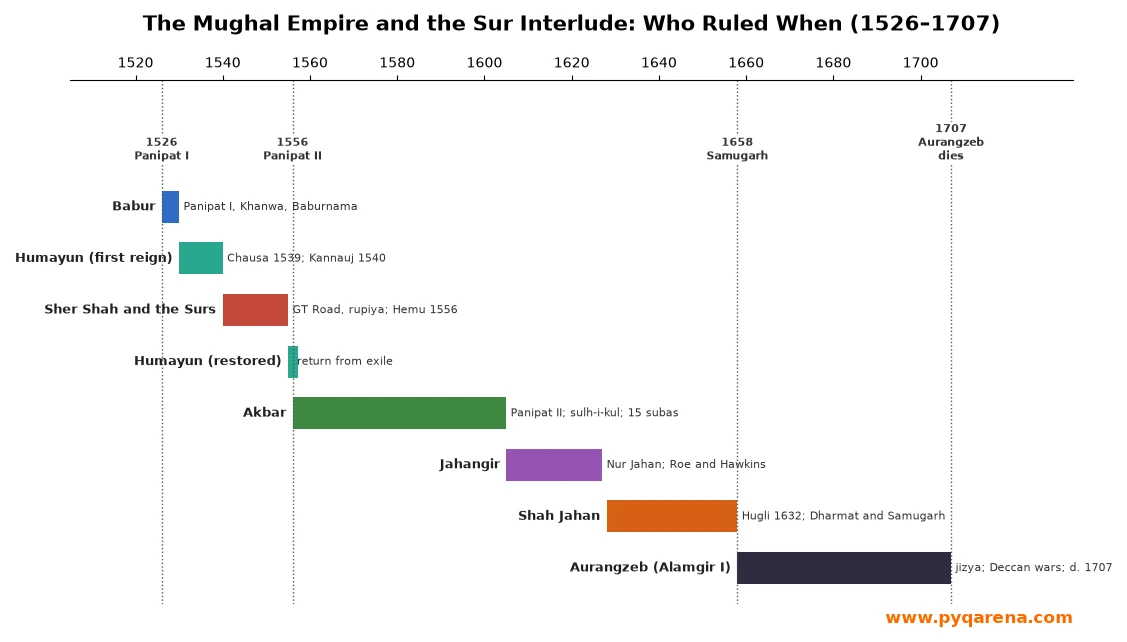
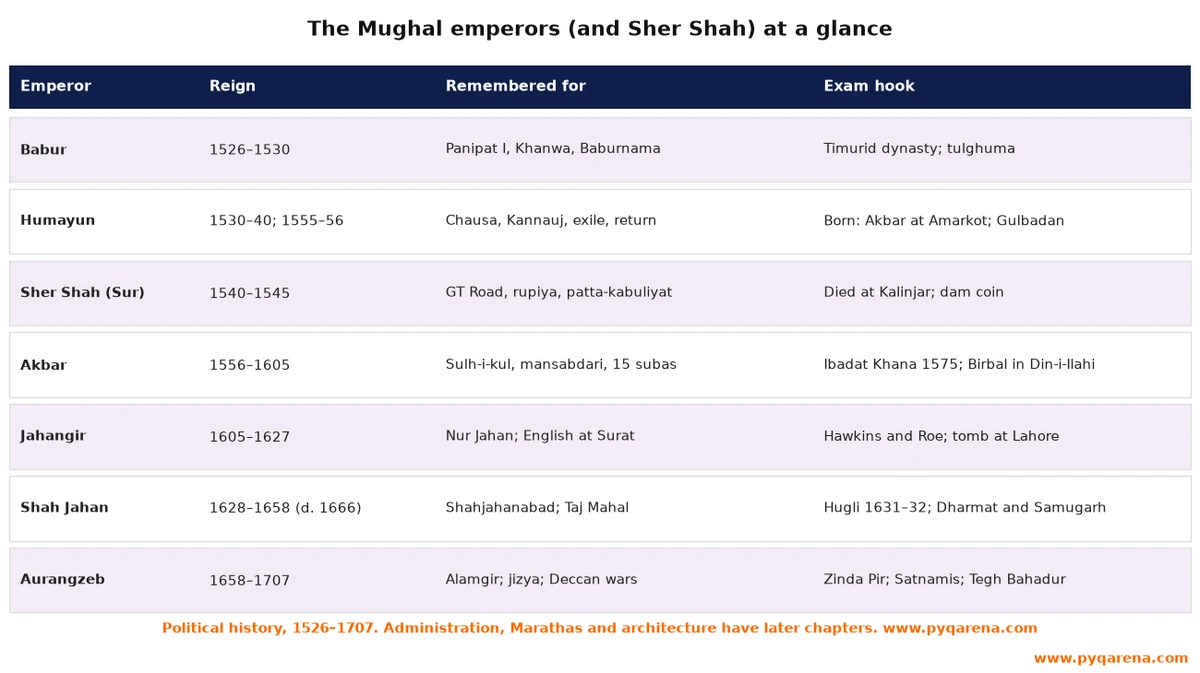
1.1 The emperors in one line
| Emperor | Reign | One-line hook |
|---|---|---|
| Babur | 1526–1530 | Panipat I, Khanwa, Baburnama |
| Humayun | 1530–40; 1555–56 | Chausa, Kannauj, exile and return |
| Sher Shah (Sur) | 1540–1545 | Grand Trunk Road, rupiya, patta and kabuliyat |
| Akbar | 1556–1605 | Panipat II, sulh-i-kul, 15 subas |
| Jahangir | 1605–1627 | Nur Jahan, Hawkins and Roe, tomb at Lahore |
| Shah Jahan | 1628–1658 (d. 1666) | Hugli 1631–32, Dharmat and Samugarh, Taj Mahal |
| Aurangzeb | 1658–1707 | Alamgir, jizya restored, the Deccan ulcer |
The family line is a straight descent: Babur → Humayun → Akbar → Jahangir → Shah Jahan → Aurangzeb. Akbar was born at Amarkot in exile; Jahangir and Shah Jahan were half Rajput by their mothers. After Aurangzeb the exams still ask a few later names — Jahandar Shah, Farrukhsiyar, Muhammad Shah Rangila, Nadir Shah (1739) and Panipat, 1761 — which are treated in §16 so that they are not confused with the founding battles.
1.2 Why this chapter matters for exams
- WBCS Mains has a full Mughal post: Panipat, Ibadatkhana, jizya, Nurjahan, Todarmal, Hugli, Purandar, Alamgir and the chroniclers. WBCS Prelims returns to Din-i-Ilahi, Zinda Pir, tulghuma, Amarkot, Kalinjar and the three Panipats. See WBCS Mains Mughal Empire PYQs and WBCS Prelims Medieval Indian History PYQs.
- UPSC Prelims asks Khanwa, Ibadat Khana, Dharmat, jagirdar and zamindar, ahadis, Qandahar, Surat as Babul Makka, and the travellers. See UPSC Prelims Medieval History: Mughal Empire PYQs.
- Keep the earlier political map in view: the Delhi Sultanate that Babur replaced, Medieval Bengal that Akbar conquered, and the Bahmani successor sultanates that Aurangzeb finally swallowed. Saints at the Mughal court are in Bhakti and Sufi Movements.
1.3 The story in order
Babur, already master of Kabul, won Delhi and Agra in 1526, confirmed the victory at Khanwa in 1527, and died in 1530. Humayun could not hold what he inherited. Sher Shah, an Afghan of Sasaram, beat him at Chausa and Kannauj, ruled for five crowded years, and left behind a road, a coin and a land settlement that later Mughals used. Humayun came back in 1555 and died in 1556. His son Akbar, still a boy, survived the Second Battle of Panipat against Hemu, then spent the rest of a long reign widening the map: Rajputana by alliance as well as war, Gujarat, Bengal, Kashmir, Sind, and Khandesh in 1601. He built Fatehpur Sikri, opened the Ibadat Khana, issued the Mahzar, practised sulh-i-kul, and enrolled a few close companions in Din-i-Ilahi. Todar Mal recast the revenue demand; the mansab organised the nobility and the army.
Jahangir inherited a settled empire, a strong Rajput connection, and a court in which Nur Jahan became the central figure. Hawkins and Roe arrived; the English factory at Surat was allowed; Qandahar was pressed by Shah Abbas; Guru Arjan was executed in 1606. Shah Jahan moved the capital to Delhi, fought for Balkh and Qandahar, ordered the Hugli campaign in 1631 (the port fell in 1632), and lost the war of succession at Dharmat and Samugarh in 1658. He died in 1666. Aurangzeb, styled Alamgir and called Zinda Pir, put the jizya back, faced the Jats, the Satnamis, the Sikhs and the Rajputs of Marwar, and spent his last decades on the Deccan ulcer. He died in 1707. The empire of the great Mughals, as this chapter uses the phrase, ends there.
2. Babur (1526–1530)
In simple words: Babur was invited into India by Daulat Khan Lodi, the discontented governor of the Punjab. At Panipat in 1526 he used tulghuma (a wheeled, flanking battle-plan) and gunpowder weapons to break Ibrahim Lodi. Khanwa (1527) against Rana Sanga made the new empire safer than Panipat had done. He wrote his own book, the Baburnama, and he founded a Timurid dynasty in India — that, and not the “introduction” of gunpowder or the arch and dome, is what his arrival changed.
2.1 The first conquest
- Invitation: Daulat Khan Lodi invited Babur to invade India (WBCS Prelims 2013). Babur was a Timurid of Farghana who had made Kabul his base in 1504. After earlier raids into the Punjab he accepted that invitation, occupied Lahore, and then turned on Delhi.
- First Battle of Panipat, 1526: fought between Babur and Ibrahim Lodi (WBCS Prelims 2023 and 2005; WBCS Mains 2023 and 2022; WBCS Prelims 2006). Babur took Delhi and Agra and distributed the Lodi treasure to his begs, the scene later painted in the Baburnama. See WBCS Prelims Medieval Indian History PYQs and WBCS Mains Mughal Empire PYQs.
- Tulghumah: Babur used tulghuma as a military tactic for the first time in India (WBCS Prelims 2024).
- He conquered territory in India and founded an empire in the name of his ancestors — the Timurids (WBCS Prelims 2010). The arrival of Babur led to the establishment of the Timurid dynasty in the region; it did not introduce gunpowder, or the arch and dome, to the subcontinent. So only statement 3 is correct (UPSC Prelims 2015). See UPSC Prelims Medieval History: Mughal Empire PYQs.
2.2 Khanwa, Chanderi and Ghaghra
- Battle of Khanwa (Khanua), 1527: Babur’s main adversary was Rana Sanga of Mewar (WBCS Prelims 2024). The battle was certainly more decisive and significant than the First Battle of Panipat, because Rana Sanga was a more formidable adversary than Ibrahim Lodi. Both the assertion and the reason are true, and the reason explains the assertion (UPSC Prelims 2001).
- Chanderi (1528) broke the remaining Rajput resistance of Medini Rai. Ghaghra (1529), fought on the Ghaghra river against Mahmud Lodi and the eastern Afghans, was Babur’s last great battle in India. He died in 1530, was first buried at Agra, and was later laid at Kabul.
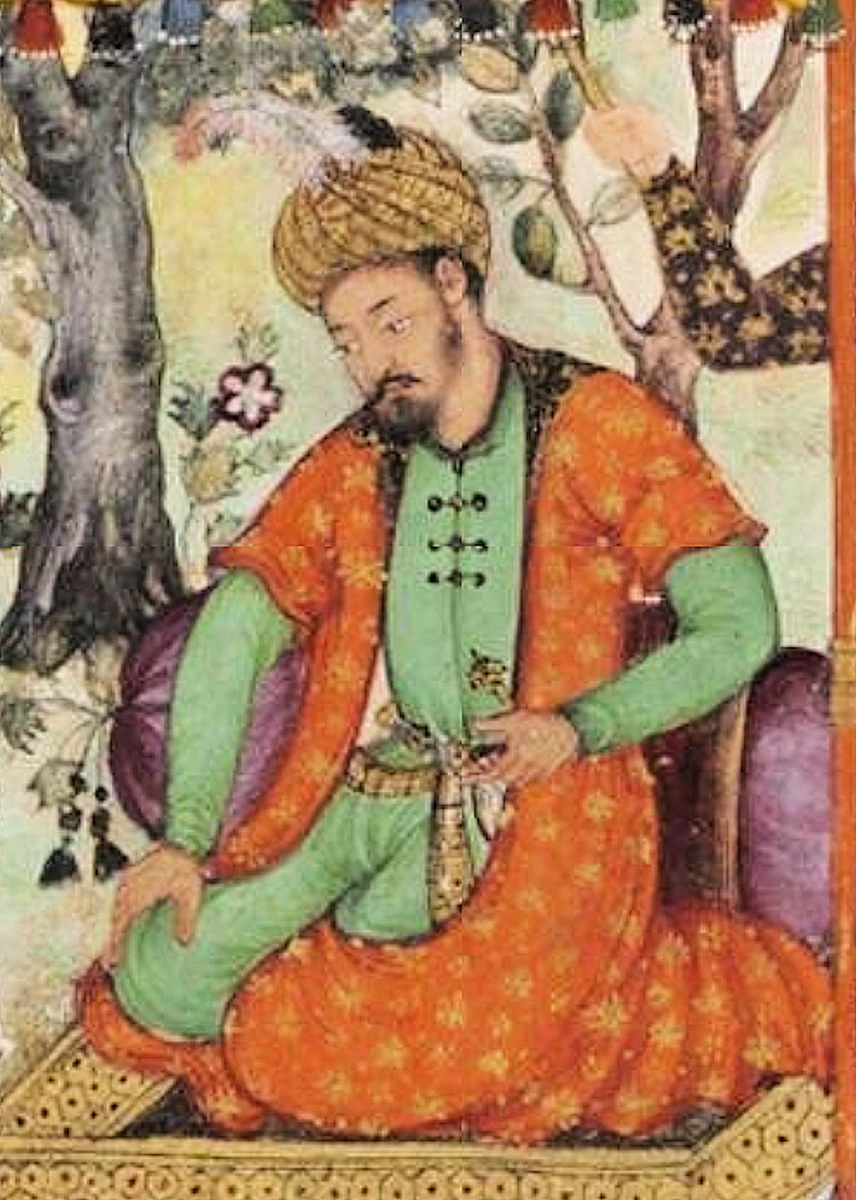
Image Source: Wikimedia
2.3 The Baburnama
- Babur wrote his own autobiography (WBCS Prelims 2017). The book is the Baburnama (also Babarnama) (WBCS Prelims 2011 and 2006; WBCS Mains 2022).
- It was translated into Persian by Abdur Rahim Khan-i-Khanan (WBCS Prelims 2024).
The throne then passed to Humayun.
3. Humayun (1530–40 and 1555–56)
In simple words: Humayun inherited a new empire and a ring of Afghan and regional enemies. Sher Shah beat him at Chausa (1539) and at Kannauj / Bilgram (1540). Humayun fled, lived in exile, and became the father of Akbar at Amarkot. He recovered Delhi in 1555 and died in 1556. His half-sister Gulbadan Begum wrote the Humayun Nama. His tomb in Delhi was commissioned by Haji Begum.
3.1 Defeat and exile
- Humayun was defeated at Kanauj (also called Bilgram) in 1540 at the hands of Sher Shah (WBCS Prelims 2008). The year before, Chausa (1539) on the Ganga had already broken his hold on the eastern road. His brothers, especially Kamran, held Kabul and much of the Punjab and did not stand by him. Before the eastern disaster he had also been drawn west into a war with Bahadur Shah of Gujarat. After Kannauj he fled through Sind and Rajasthan, took shelter at the Safavid court in Persia, and returned only when the Sur state itself began to crack.
- In exile he married Hamida Banu Begum. Akbar was born at Amarkot (WBCS Mains 2022).
3.2 Return, death, and memory
- With Safavid help Humayun retook Kabul, defeated Sikandar Sur at Sirhind, and, in 1555, recovered Delhi. He died in 1556, leaving a thirteen-year-old heir and a dangerous Afghan opponent, Hemu.
- Gulbadan Begum wrote the Humayun Nama / Humayunnamah (WBCS Prelims 2022 and 2024). She is the only woman historian to write a historical account of the Mughal period (WBCS Mains 2020). See WBCS Prelims Medieval Indian History PYQs.
- Haji Begum commissioned (constructed) Humayun’s Tomb in Delhi in 1558 (WBCS Mains GK History 2021 and GK Art and Culture 2021). The architecture is taken up more fully in Chapter 12.
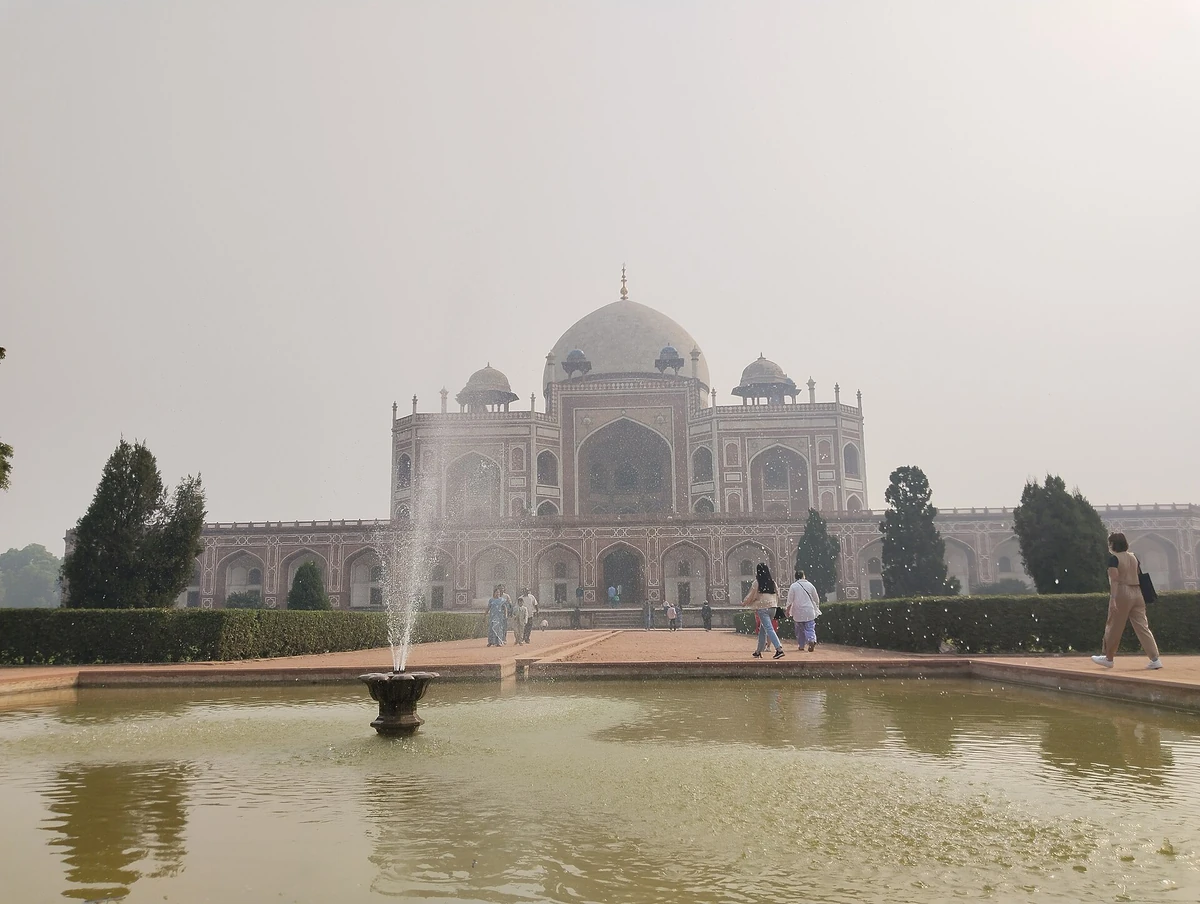
Image Source: Wikimedia
4. Sher Shah and the Sur Dynasty
In simple words: Sher Shah Suri (Farid, of Sasaram) drove Humayun out and ruled from 1540 to 1545. In those five years he rebuilt the north Indian state: the Sadak-i-Azam (Grand Trunk Road) from East Bengal to Peshawar, the silver rupiya and the copper dam, roadside sarais, and the written patta and kabuliyat given to the peasant. He died attacking Kalinjar. His son Islam Shah followed. The last Sur crisis produced Hemu, whom Akbar defeated at Panipat in 1556.
4.1 The road, the coin and the paper
- Farid, later Sher Khan and then Sher Shah, rose from a family jagir at Sasaram in Bihar. He served the Nuhani Afghans of the east, took Chunar, and then turned on Humayun once the Ganga road was in his hands.
- Sher Shah constructed the Sadak-i-Azam, the Royal Road from East Bengal to Peshawar, also called the Grand Trunk Road (WBCS Mains 2022 and 2020; WBCS Prelims 2024). See WBCS Mains Mughal Empire PYQs.
- He introduced the silver rupiya. The dam was the copper coin introduced by Sher Shah (WBCS Prelims 2013). A gold mohur completed the trimetallic set that Mughal mints later continued.
- Kabuliyat (or Qabuliyat) and Patta as instruments of settlement were introduced by Sher Shah (WBCS Mains 2023; WBCS Prelims 2020 and 2024). A WBPSC Clerkship question has the same answer, without a printed year.
- Along the Grand Trunk Road he planted sarais (rest-houses) and a horse-post (dak). Two great forts carry his name: Rohtasgarh in Bihar, used to hold the east, and Rohtas (Dina-Jhelum) on the north-west road. He kept a standing army paid in cash, branded horses (dagh) and recorded descriptive rolls of men (chehra) — practices Akbar later absorbed into the mansabdari system.
- These revenue tools are the starting point of the later Mughal zabt system, which Chapter 9 treats in full.
4.2 War, death and the court
- Sher Shah died while attacking Kalinjar (WBCS Prelims 2001).
- His general in the exam lists is Brahmajit Gaur (WBCS Prelims 2007; PSC Miscellaneous 2018 and 2010). See PSC Miscellaneous Prelims History PYQs.
- Malik Muhammad Jayasi completed the poem Padmavat during Sher Shah’s reign (WBCS Prelims 2024).
- Islam Shah (1545–1554) held the Sur state together for a time and kept a tight grip on the nobles. After him the family split among weak successors. Hemu, the Hindu general of Adil Shah Sur, took Delhi for a moment in 1556 and then made the last Afghan bid at Panipat.
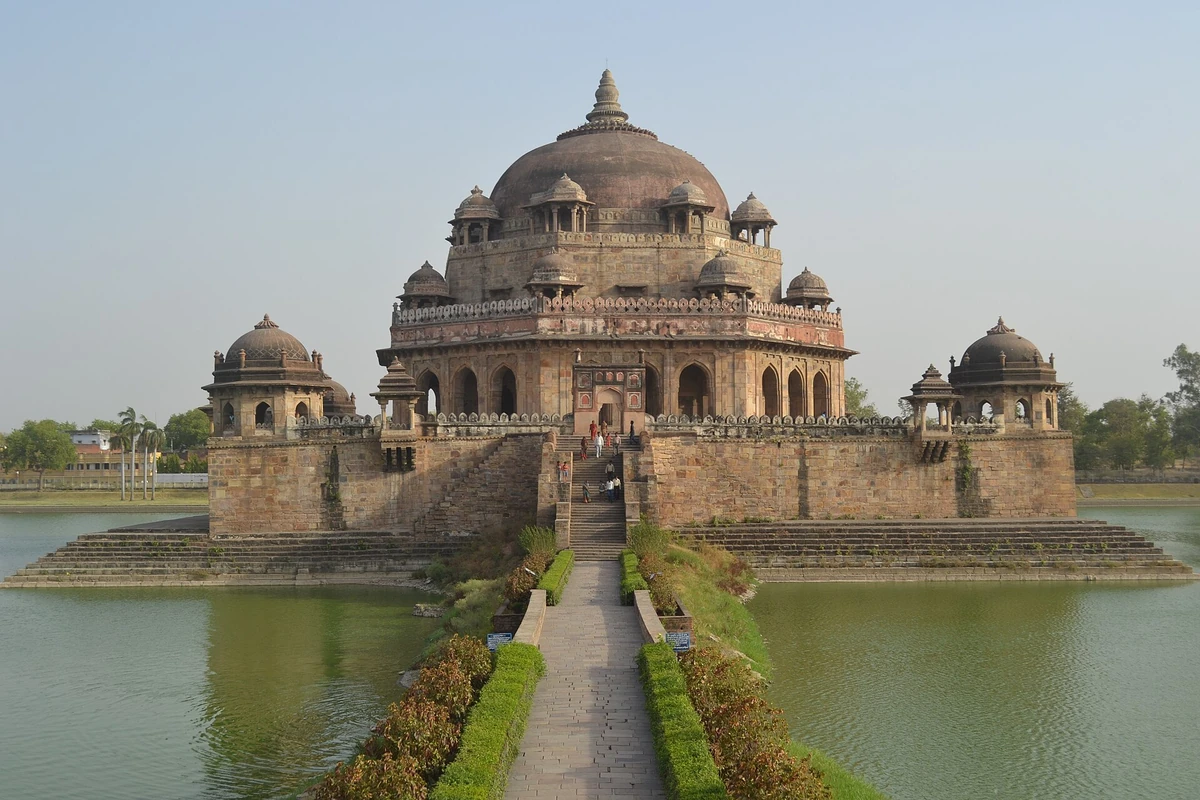
Image Source: Wikimedia
5. Akbar’s Accession and Conquests (1556–1605)
In simple words: Akbar, born at Amarkot, came to the throne in 1556 as a boy, under the regent Bairam Khan. That same year they defeated Hemu at the Second Battle of Panipat. As an adult Akbar took Rajputana, Gujarat, Bengal, Kashmir and, in 1601, Khandesh. He was the first Mughal to divide the empire into provinces (subas) — 15 in his time, 21 in Aurangzeb’s. He could not annex Assam. In 1581 he marched towards Afghanistan, but not to reclaim Ferghana.
5.1 Panipat II and the young emperor
- The Second Battle of Panipat was fought in 1556 (WBCS Prelims 2014). Akbar defeated Hemu there (WBCS Mains 2022, asked twice in that paper). The opponent of Akbar was Himu / Hemu (WBCS Prelims 2006). Bairam Khan commanded the Mughal army. A few years later Akbar dismissed the regent and took power into his own hands. See WBCS Mains Mughal Empire PYQs.
- Akbar was the first Mughal emperor to divide the empire into provinces (WBCS Mains 2017). There were 15 and 21 Mughal provinces under Akbar and Aurangzeb respectively (WBCS Mains 2017).
5.2 The map of conquest
- Gujarat gave him the western ports and, at Fatehpur Sikri, the Buland Darwaza, built to commemorate that victory (WBP Constable 2018). The initial structures of Agra Fort were built by Akbar (WBCS Mains GK History 2016).
- Bengal was taken from the last Karrani sultan, Daud Khan, in the 1570s, after campaigns led by Munim Khan and, later, Todar Mal and Khan-i-Jahan. The older independent sultanate is in Medieval Bengal.
- In central India, Asaf Khan defeated Rani Durgavati of Garha-Katanga (Gondwana) in 1564. Malwa had already fallen in the early 1560s.
- Kashmir was annexed in 1586; Sind and Baluchistan followed, and Kabul remained inside the imperial frame. In 1601 Akbar captured Khandesh (the great fort of Asirgarh). The Deccan campaign that closed with Asirgarh also broke the last independent resistance of Ahmadnagar. A UPSC map question of 2000 is answered as Akbar at the time of capture of Khandesh in 1601. A 1998 map of the empire at his death (1605) is keyed as (A) Gondwana (then still outside the core) and (B) Lahore. See UPSC Prelims Medieval History: Mughal Empire PYQs.
- The one Indian state in the list that Akbar could not annex is Assam (WBCS Prelims 2011). The Ahom kingdom was later, and only briefly, taken by Mir Jumla under Aurangzeb (WBCS Mains 2014).
- In 1581 Emperor Akbar marched towards Afghanistan with a huge army. He was not on his way to reclaim his ancestral country of Ferghana. So the assertion is true and the reason is false (UPSC Prelims 2003). The Yusufzai revolt took place during the reign of Akbar (WBCS Mains 2023). In one of the Afghan campaigns to suppress them, Birbal was killed (WBCS Mains 2015).
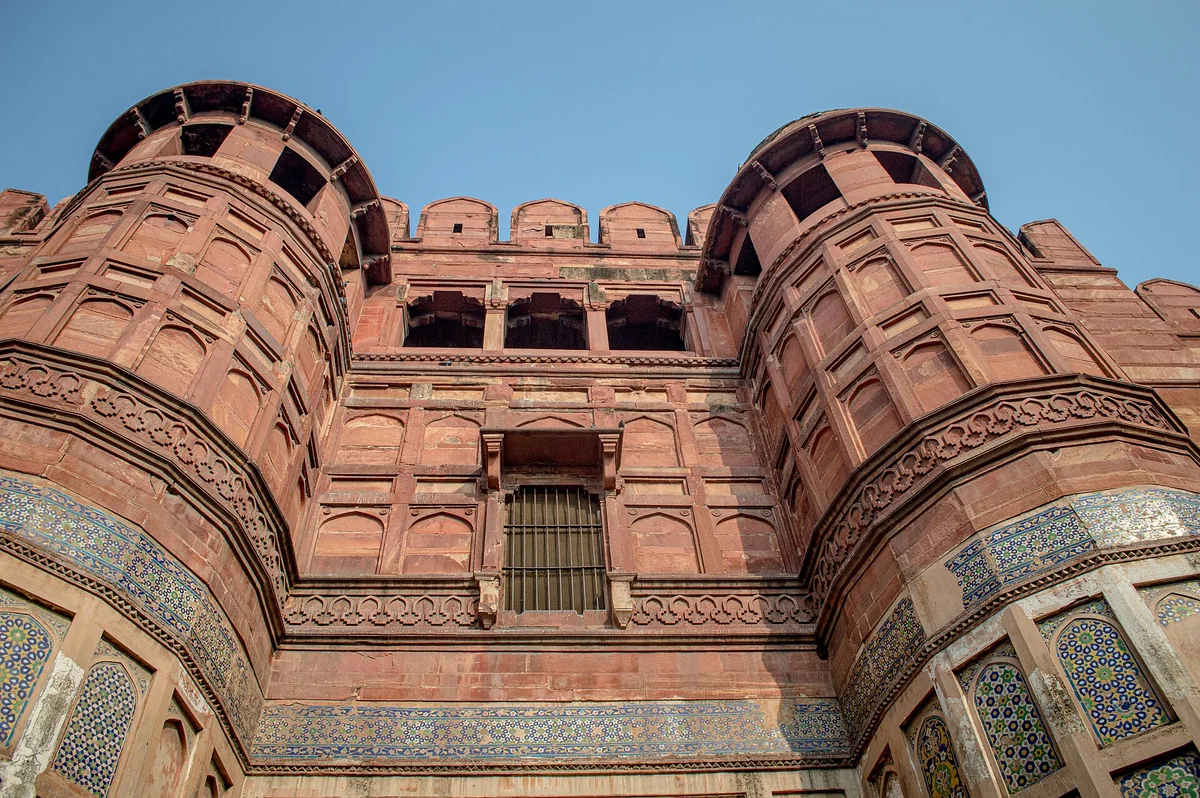
Image Source: Wikimedia
6. Akbar and the Rajputs
In simple words: Akbar made the Rajputs partners instead of only enemies. The Kachchhawahas of Amber (Jaipur) were the first to submit voluntarily and to enter a matrimonial alliance. Rana Pratap of the Sisodiya house of Mewar did not. Man Singh fought him at Haldighati in 1576. Jaswant Singh of Marwar was not a contemporary of Akbar.
6.1 Alliance and marriage
- The Rajputs who were the first to voluntarily submit to Akbar were the Kachchhawahas (WBCS Mains 2015). The ruler who entered into a matrimonial alliance with Akbar, among the states listed, was the ruler of Jaipur (Amber) (WBCS Prelims 2001). Raja Bharmal gave a daughter (Harkha Bai / Mariam-uz-Zamani) to the emperor; Bhagwan Das and Man Singh rose high in Mughal service. Similar marriages followed with Bikaner and Jaisalmer. Man Singh later governed Bihar and Bengal and served on the north-west frontier. The Rajput connection staffed the army as well as the household; it is why later exams can call Jahangir and Shah Jahan half Rajput.
- Jahangir and Shahjahan were the Mughal rulers who were half Rajput, born of a Rajput mother (WBCS Mains 2016): Jahangir of the Amber marriage, Shah Jahan of Jagat Gosain of Marwar.
6.2 Mewar and Haldighati
- Rana Pratap belonged to the Sisodiya Rajput dynasty (WBCS Prelims 2024). The Battle of Haldighati (1576) is the great set-piece of that war. Mewar was not fully absorbed in Akbar’s lifetime; a settlement came later, under Jahangir, with Amar Singh.
- The Rajput ruler who was not a contemporary of Akbar is Jaswant Singh (WBCS Prelims 2018). Man Singh, Amar Singh and Udai Singh belong to Akbar’s century; Jaswant Singh of Marwar belongs to Shah Jahan and Aurangzeb, and his death opened the later Rajput breach (§12.2).
7. Akbar’s Religious Policy
In simple words: At Fatehpur Sikri in 1575 Akbar built the Ibadat Khana, a hall in which he held discussions with scholars of various religions. From this came sulh-i-kul (peace with all), the Mahzar of 1579, and a personal path called Din-i-Ilahi or Tauhid-i-Ilahi. He abolished the jizya and the pilgrimage tax, regulated sati, and began Jharokha Darshan. Birbal was the Hindu who joined Din-i-Ilahi. V. A. Smith called it “the monument of Akbar’s folly.”
7.1 Ibadat Khana and sulh-i-kul
- The Ibadatkhana was founded by Akbar (WBCS Mains 2023). He built it at Fatehpur Sikri (WBCS Prelims 2019; WBCS Mains GK History and Art & Culture 2022) in 1575 A.D. (WBCS Prelims 2020). The discussions began among Muslim scholars of different schools and were then opened to others — Hindus, Jains, Parsis and Christians, including Jesuit priests from Goa.
- Ibadat Khana at Fatehpur Sikri was the hall in which Akbar held discussions with scholars of various religions (UPSC Prelims 2014) — a hall or house for religious discourses of all religions, not a mosque, a private prayer chamber, or a book (WBCS Prelims 2000 and 2010). See UPSC Prelims Medieval History: Mughal Empire PYQs.
- Sulh-i-Kul was a policy introduced by Akbar (WBCS Prelims 2017). In 1579 the Mahzar, a declaration by leading ulama at the court, accepted the emperor as the final arbiter in points of Muslim law on which the doctors differed. From the Ibadat Khana, the Mahzar and sulh-i-kul together came the personal path later called Din-i-Ilahi or Tauhid-i-Ilahi.
7.2 Din-i-Ilahi, taxes and social rules
- Akbar introduced Din-i-Ilahi (WBCS Prelims 2023, 2011; PSC Miscellaneous 2008; WBP Constable 2021).
- Birbal was also the noble of Akbar killed by Afghan rebels in one of the Mughal campaigns to suppress them (WBCS Mains 2015), in the north-west fighting already noticed in §5.2.
- The member of Din-i-Ilahi among the usual list is Raja Birbal (WBCS Mains 2020; WBCS Prelims 2016, 2013 and 2024; WBP SI 2018; see WBP SI Prelims History PYQs). The 2024 wording asks who among the Hindus first joined Din-i-Ilahi / Tauhid-i-Ilahi: Birbal. Man Singh, Todar Mal and Tansen did not join. Birbal’s real name was Mahesh Das (WBP SI 2019).
- V. A. Smith described the Din-i-Ilahi as “the monument of Akbar’s folly” (WBCS Prelims 2004).
- Jizya was abolished by Akbar (WBCS Mains 2020; WBCS Prelims 2007). He also abolished the pilgrimage tax (WBCS Prelims 2024). Aurangzeb later reimposed jizya (§12.1).
- Akbar is credited with prohibiting sati unless the widow herself, on her own free will, persistently desired it (WBCS Mains 2017 and 2016; WBCS Prelims Modern 2018).
- The royal ritual of Jharokha Darshan was introduced by Akbar (WBCS Mains 2017).
8. The Court of Akbar: Navratnas, Books and Translations
In simple words: Akbar’s court is remembered as a hall of nine jewels (navratnas). The names to lock are Abul Fazl (Akbarnama, Ain-i-Akbari), his brother Faizi, Tansen, Birbal, Raja Todar Mal, Raja Man Singh, the financier Abdur Rahim Khan-i-Khanan, and the painter Basawan. Prince Salim later had Abul Fazl killed. The court also translated Sanskrit works into Persian, and the period saw new crops, among them tobacco.
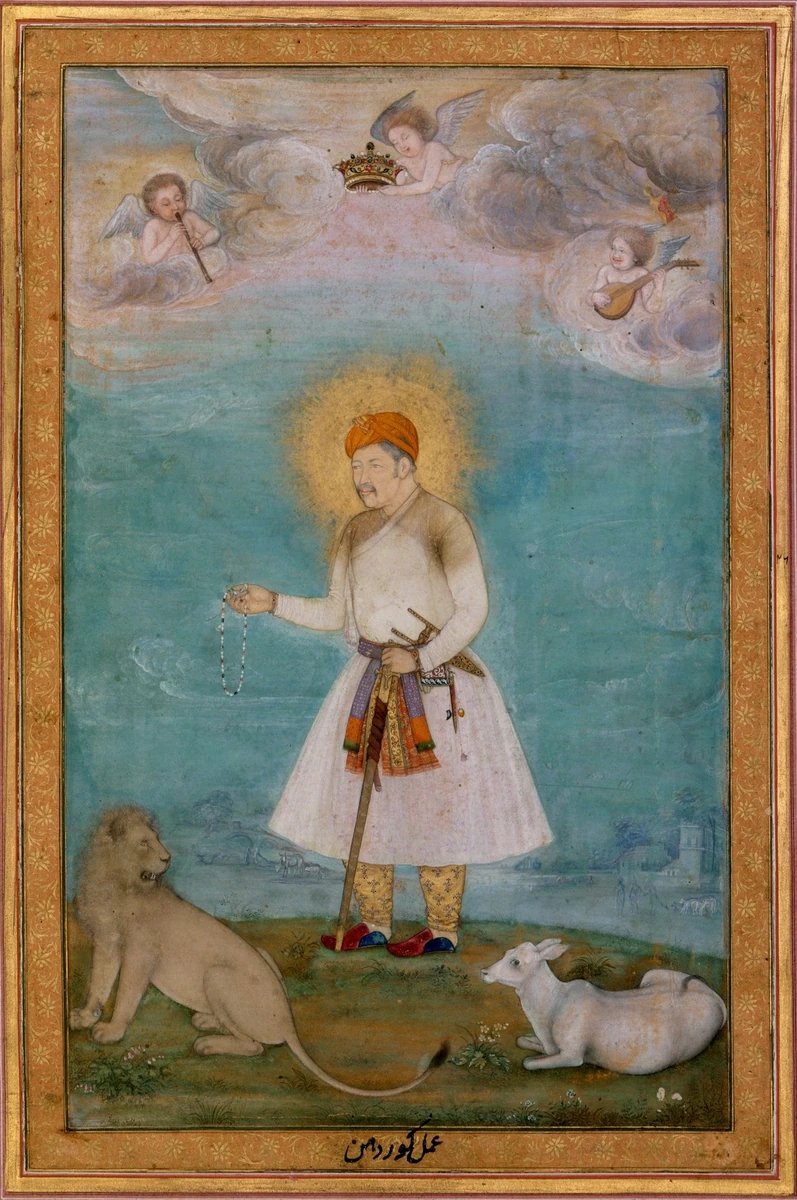
Image Source: Wikimedia
8.1 Abul Fazl and the chroniclers
- Akbarnama was composed by Abul Fazl (WBCS Mains 2023; WBCS Prelims 2007; PSC Miscellaneous 2006), in Persian (WBP Constable 2025). Abul Fazl was the court poet (and historian) of Akbar (WBCS Mains 2022). The Ain-i-Akbari is his too (WBCS Prelims 2024; PSC Miscellaneous 2018). A Clerkship question asks the same, without a year.
- The medieval Indian writer who refers to the discovery of America is Abul Fazl (UPSC Prelims 1997). See UPSC Prelims Medieval History: Administration, Culture and Marathas PYQs.
- The author of Muntakhab-ul-Tawarikh is Badauni (WBCS Mains 2023).
- Among the Mughal princes, Selim (Salim) assassinated Abul Fazl (WBCS Prelims 2024).
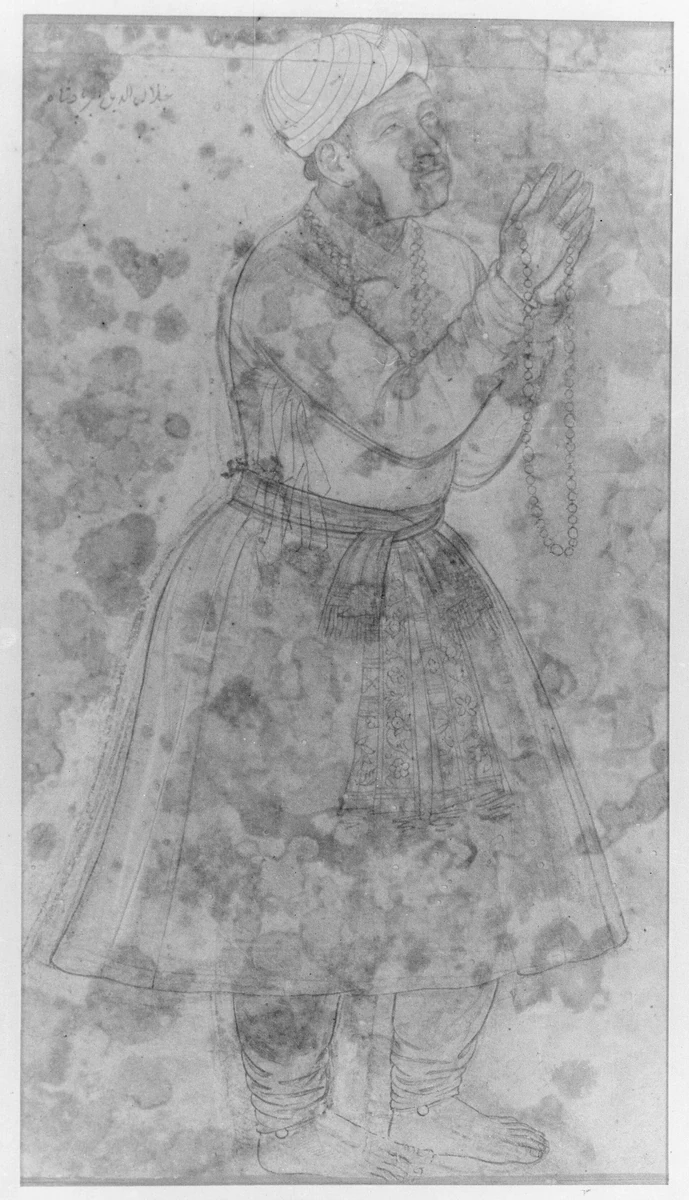
Image Source: Wikimedia
8.2 Tansen, Basawan, Faizi and the translators
- Tansen was the famous musician in the court of Akbar (PSC Miscellaneous 2023). The statement “Tansen was the title given to him by Emperor Akbar” is not correct (UPSC Prelims 2019). He did compose dhrupads on Hindu gods and goddesses, songs on his patrons, and many ragas. See UPSC Prelims Art and Culture: Music PYQs.
- A famous artist of Akbar’s court is Basawan (WBCS Mains 2023). The subject matter of the Hamzahnamah is painting (WBCS Mains 2015). The Akbarnama manuscripts, with miniature paintings, reveal a sense of realism witnessed by the painters themselves (WBCS Mains 2015). Mansur, the animal painter of Jahangir’s court, is the Mughal painter not mentioned by Abul Fazl (WBCS Prelims 2015).
- Lilabati was translated into Persian by Faizi (WBCS Prelims 2005). The Yogavasistha was translated into Persian by Nizamuddin Panipati during the reign of Akbar (UPSC Prelims 2022). The Razmnama was a Persian translation of the Mahabharata (WBCS Prelims 2024). The official language of the Mughal Empire was Persian (WBCS Prelims 2016). Haji Ibrahim Sarhindi translated the Atharvaveda into Persian (WBCS Mains 2014).
- Akbar is the Mughal emperor credited with the composition of many Hindi songs (WBCS Mains 2015).
8.3 New crops and Kabul fruit
- Two major crops introduced in India during the Mughal period were tobacco and maize (WBCS Mains 2020). Tobacco was introduced during the reign of Akbar (WBCS Mains 2017, 2016 and 2015).
- The Mughals imported fruits from Kabul (WBCS Mains 2020).
9. Fatehpur Sikri and the Capitals
In simple words: After the blessing of Shaikh Salim Chishti and the birth of Prince Salim, Akbar built a new capital at Fatehpur Sikri. There stand the Ibadat Khana and the Buland Darwaza. The first structures of Agra Fort are his as well. Shah Jahan later transferred the capital from Agra to Delhi. Painting and the later marble palaces have their own chapter; the political facts stay here.
- Fatehpur Sikri was founded by Akbar (WBP Constable 2019) and built during his reign (Clerkship, no printed year). It is the last great monument in the 1998 UPSC chronology Qutub Minar – Tughluqabad Fort – Lodi Garden – Fatehpur Sikri. See UPSC Prelims Medieval History: Administration, Culture and Marathas PYQs.
- Akbar built the Buland Darwaza (WBCS Prelims 2024) to commemorate his victory over Gujarat (WBP Constable 2018). White marble was not used in making the Buland Darwaza and the khanqah at Fatehpur Sikri (they are of red sandstone); nor were red sandstone and marble used for the Bara Imambara and Rumi Darwaza at Lucknow. So neither statement is correct (UPSC Prelims 2018). See UPSC Prelims Art and Culture: Architecture PYQs.
- Shah Jahan transferred the Mughal capital from Agra to Delhi (WBCS Mains 2020; WBCS Prelims 2024).
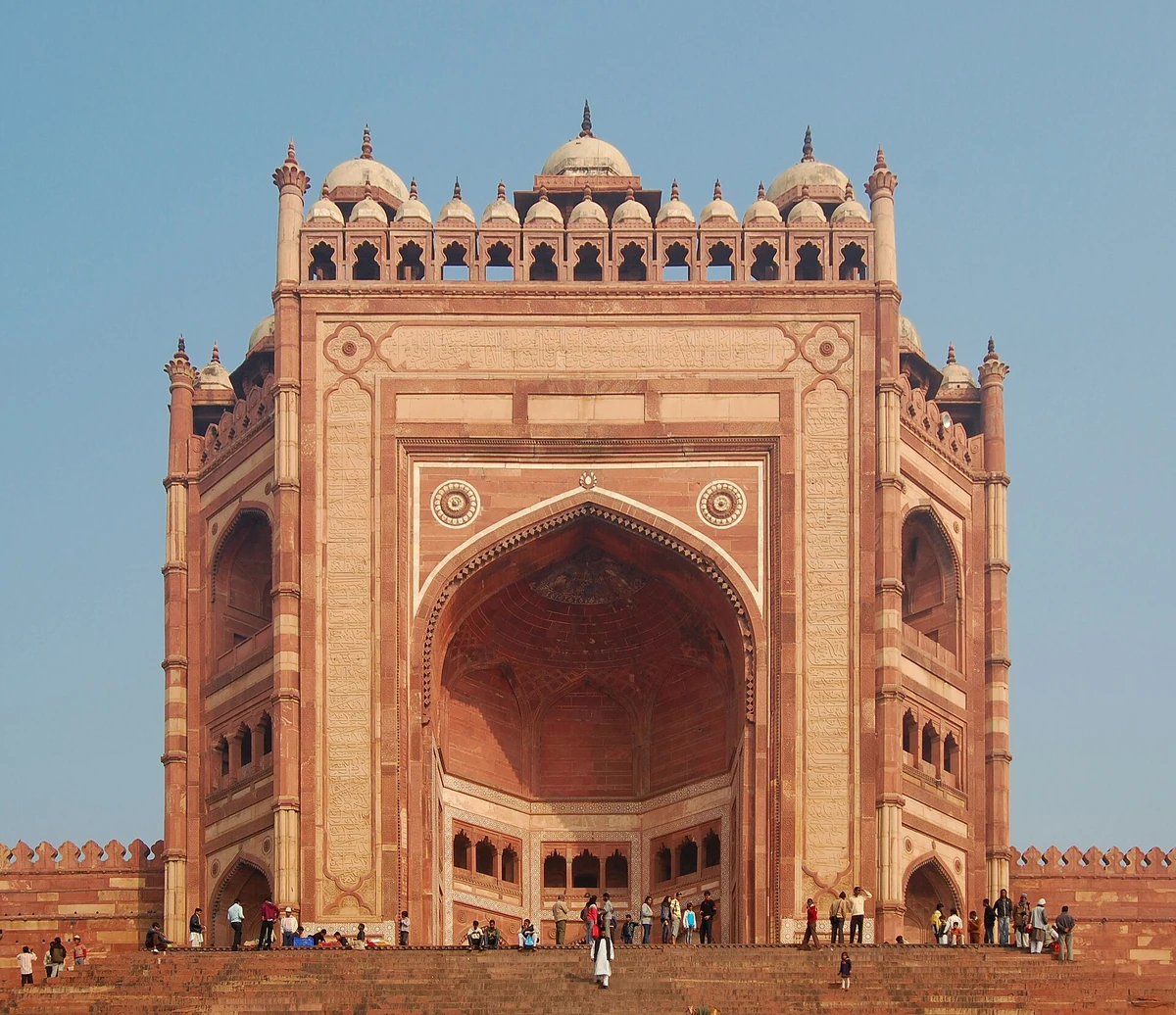
Image Source: Wikimedia
10. Jahangir (1605–1627)
In simple words: Prince Salim became Jahangir. The court was dominated for years by Nur Jahan, whose original name was Meherunnisa. William Hawkins was the first Englishman at the court and received the title Khan. Sir Thomas Roe came as James I’s ambassador. Jahangir gave the English leave to plant their first factory at Surat. He introduced the duh-aspah sih-aspah rank, settled Mewar, lost Qandahar to Shah Abbas, and had Guru Arjan executed. Painting, especially portrait and album work, reached its height. His tomb stands at Lahore.
10.1 Nur Jahan and the court
- The original name of Nurjahan was Meherunnisa (WBCS Mains 2022). Around her stood her father Itimad-ud-Daulah and her brother Asaf Khan, the junta of the middle years of the reign. Her daughter Ladli Begum was married to Shahryar, which later pulled Nur Jahan towards a rival claimant when Jahangir died.
10.2 The English, Mewar and Qandahar
- The first Englishman to visit Jahangir’s court was Hawkins (WBCS Mains 2016). Jahangir gave him the title Khan (WBCS Mains 2015). Sir Thomas Roe also came to Jahangir’s court (WBCS Mains 2023; WBCS Prelims 2024). See WBCS Mains Mughal Empire PYQs.
- The correctly matched pair in UPSC Prelims 1999 is Jahangir : William Hawkins. Thomas Roe belongs to Jahangir, not to Akbar. Tavernier travelled in the reigns of Shah Jahan and Aurangzeb; Manucci served Aurangzeb. See UPSC Prelims Medieval History: Mughal Empire PYQs.
- Permission to the British to establish their trading centre at Surat — the first English factory in India — was given by Jahangir (WBCS Mains 2020; WBCS Prelims Modern 2019 and 2011; UPSC Prelims 2009 and 2008). See UPSC Prelims Medieval History: Administration, Culture and Marathas PYQs and WBCS Mains Advent of Europeans PYQs.
- Surat was called Babul Makka (Gate of Makka) during the Mughal period (UPSC Prelims 2001).
- Mewar, which had stayed out of Akbar’s matrimonial net under Rana Pratap, came to terms in this reign: Rana Amar Singh submitted, and the Sisodiyas were taken into imperial service without a marriage demand.
- The Persian ruler who besieged Qandahar in Jahangir’s reign was Shah Abbas (WBCS Mains 2020). The later loss of Qandahar was a big blow from the viewpoint of a strategic stronghold (UPSC Prelims 1998).
- Guru Arjan was executed in 1606, in the first year of the reign, after the rebel prince Khusrau had received the Guru’s blessing. The later execution of Guru Tegh Bahadur is Aurangzeb’s, not Jahangir’s: see Bhakti and Sufi Movements.
10.3 Rank, painting and the tomb
- Jahangir introduced the Duh-Aspah Sih-Aspah system (WBCS Prelims 2016), which let a mansabdar maintain double or triple the horses of his zat rank.
- The type of painting which made remarkable progress during his reign was portrait painting (WBCS Mains 2017). He shifted emphasis from illustrated manuscripts to album and individual portrait (UPSC Prelims 2019). Mughal painting reached its zenith under Jahangir (UPSC Prelims 1996). Chapter 12 returns to the ateliers in more detail.
- Jahangir’s tomb is situated at Lahore, in present-day Pakistan (WBCS Prelims 2014; PSC Miscellaneous 2019).
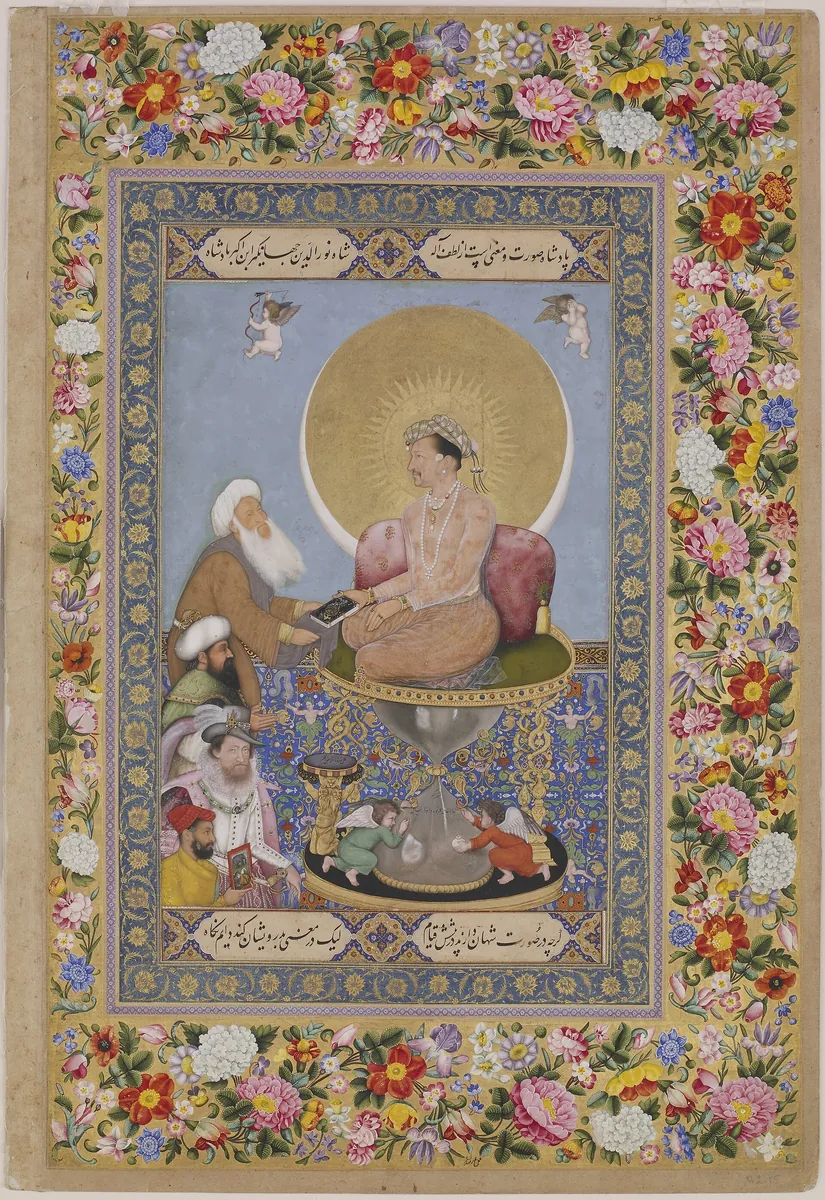
Image Source: Wikimedia
11. Shah Jahan (1628–1658)
In simple words: Shah Jahan moved the capital from Agra to Delhi (Shahjahanabad), pressed the Deccan sultanates for tribute, fought for Balkh, Badakhshan and Qandahar, and in Bengal ordered the campaign that drove the Portuguese from Hugli. He ordered that campaign in 1631; Qasim Khan took Hugli in 1632. His eldest son Dara Shikoh was a scholar of Arabic, Persian and Sanskrit and arranged a Persian translation of the Upanishads. The war of succession was decided at Dharmat and Samugarh in 1658. Shah Jahan died, a prisoner, in 1666. He built the Taj Mahal for Arjumand Bano Begum.
11.1 The north-west and the Deccan
- In the Deccan he forced Ahmadnagar, Bijapur and Golconda into tribute and annexation in stages, a policy Aurangzeb later pushed to a finish. See Bahmani Empire and Deccan Sultanates.
- The motive behind Shahjahan’s Balkh campaign was to secure a friendly ruler in Balkh and Badakhshan which bordered Kabul, not to conquer Samarqand and Farghana (UPSC Prelims 2002).
- During his reign Dara Sikoh was sent on expedition to Balkh, Badakhshan and Qandahar. That expedition was not a marvellous success. So the assertion is true and the reason is false (UPSC Prelims 1998). See UPSC Prelims Medieval History: Mughal Empire PYQs.
11.2 Hugli, 1631–32
- Hugli was used as a base for piracy in the Bay of Bengal by the Portuguese (UPSC Prelims 1995). See UPSC Prelims Medieval History: Administration, Culture and Marathas PYQs.
- Shah Jahan ordered the campaign against them in 1631. Qasim Khan, the Mughal governor of Bengal, besieged Hugli and took it in 1632. WBCS Mains 2015 (Mughal Empire and Advent of Europeans) gives the pairing 1631–Qasim Khan, the option that names Qasim Khan. See WBCS Mains Mughal Empire PYQs and WBCS Mains Advent of Europeans PYQs.
- Before the foundation of Calcutta, the biggest English settlement in Bengal was Hugli (PSC Miscellaneous 2024).
11.3 Dara Shikoh and the war of succession
- The Mughal prince who was well versed in Arabic, Persian and Sanskrit was Prince Dara Shikoh (WBCS Mains 2020). He made arrangement for the translation of the Upanishads into Farsi (WBCS Prelims 2024). Among Shah Jahan’s four sons, a WBP Constable 2025 question also credits Dara with a Veda translation; the 2014 Mains wording names Haji Ibrahim Sarhindi as the translator of the Atharvaveda in Akbar’s translation bureau (§8.2).
- Shah Jahan’s four sons were Dara Shikoh, Shuja, Aurangzeb and Murad. The battle of Dharmat was fought between Aurangzeb and Dara Shikoh (UPSC Prelims 2003). Samugarh, later in 1658, finished Dara’s claim. Shuja was pushed back in Bengal; Murad was later imprisoned. Aurangzeb took the throne; Shah Jahan lived on in Agra Fort until 1666 (WBCS Prelims 2014).
11.4 The official historian and the buildings
- Abdul Hamid Lahori was an official historian of the reign of Shah Jahan (UPSC Prelims 2006) and the author of the Padshahnama (WBCS Mains 2022).
- Shah Jahan built the Taj Mahal in memory of Arjumand Bano Begum (Mumtaz Mahal) (WBCS Mains 2022). It is a mausoleum, built by Shah Jahan, and stands outside Agra Fort; the statement that the names of the artisans who built it are engraved on it is incorrect (WBCS Mains 2020). It is the Mughal building that is exactly equal in length and breadth (WBCS Mains 2017). A new technique of painting, Siyahi qalam, became fashionable during his reign (WBCS Mains 2016). The Moti Masjid at Agra is the Mughal ‘pearl-mosque’ (WBCS Mains 2015). Mir Jumla presented the Kohinoor diamond to Emperor Shah Jahan (WBCS Prelims 2024). Architecture and painting are treated at full length in Chapter 12.
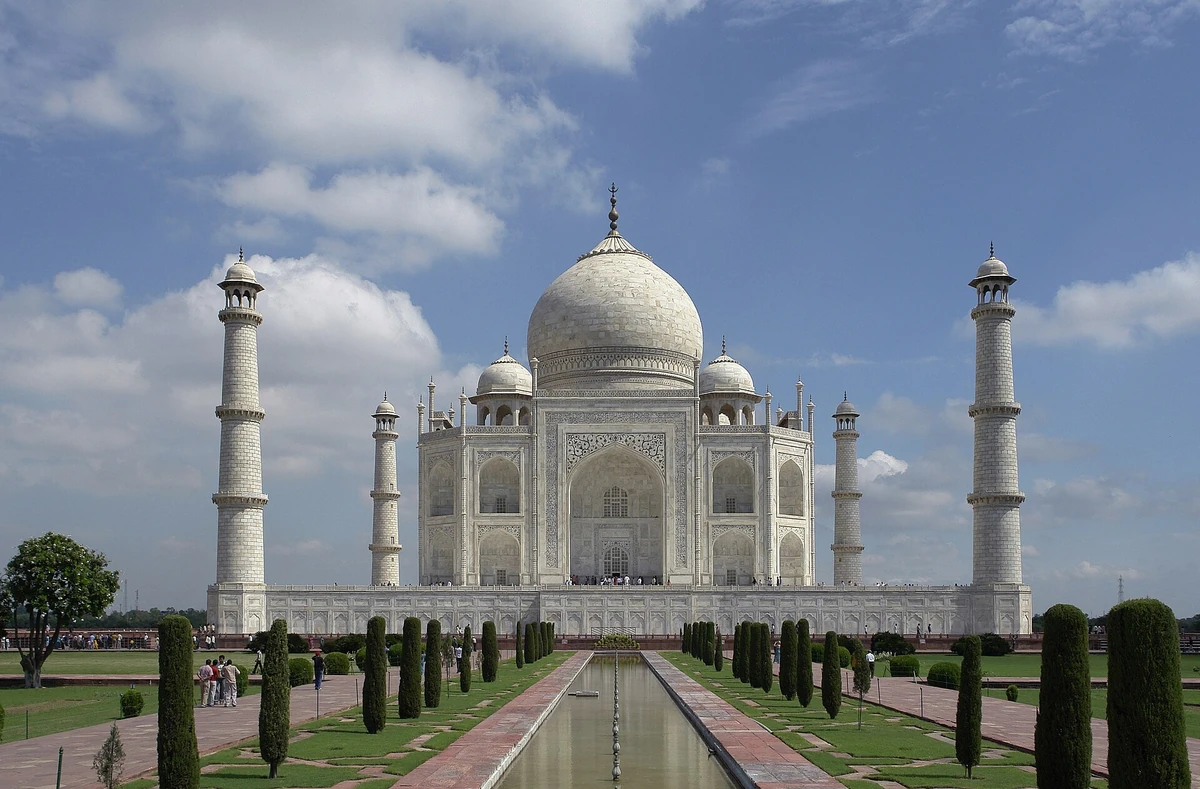
Image Source: Wikimedia
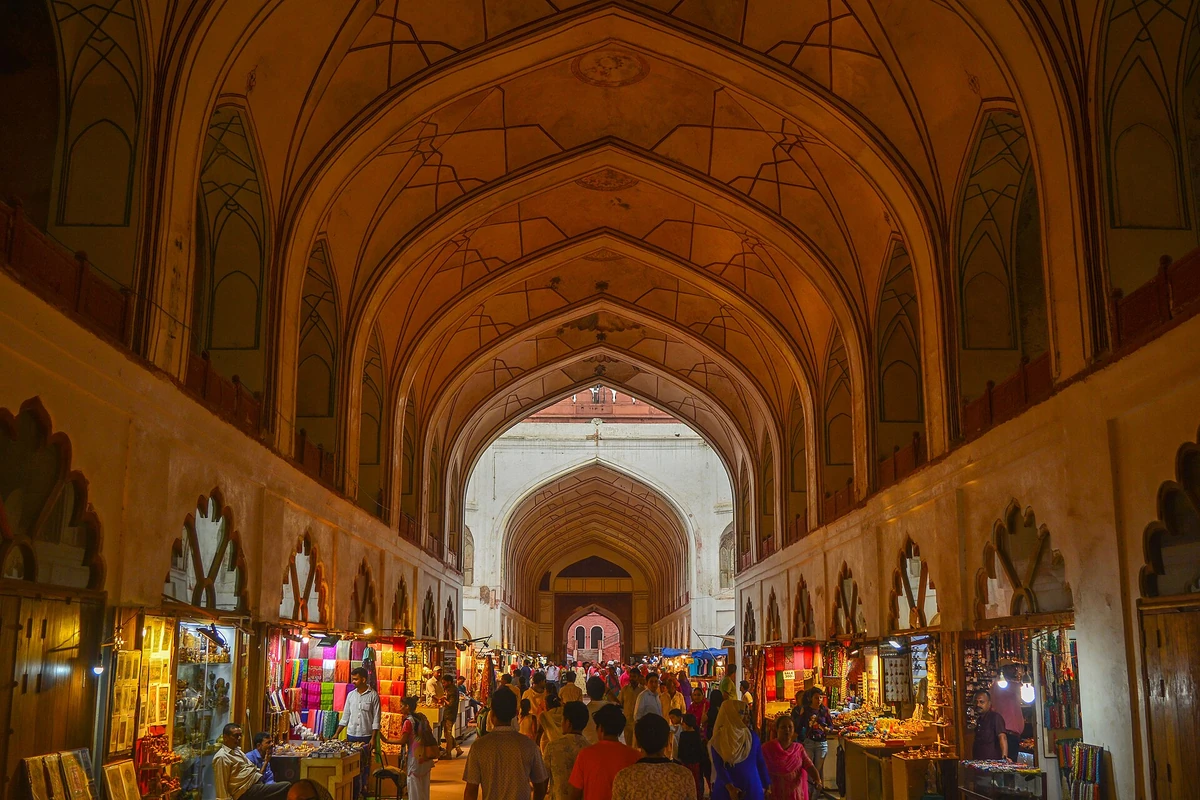
Image Source: Wikimedia
12. Aurangzeb (1658–1707)
In simple words: Aurangzeb took the title Alamgir I, and Sunni writers called him Zinda Pir, the “Living Saint.” He reimposed the jizya, faced revolts by the Jats, the Satnamis, the Sikhs (the execution of Guru Tegh Bahadur), the Rajputs of Marwar and the Bundelas, and spent his last decades in the Deccan. Jadunath Sarkar wrote that the Deccan ulcer ruined him, as the Spanish ulcer ruined Napoleon. Shivaji is treated in brief here; the Marathas have Chapter 10.
12.1 Title, jizya and the north-Indian revolts
- The Mughal ruler who took the title of Alamgir — Alamgir I — is Aurangzeb (WBCS Mains 2023; WBCS Prelims 2023).
- He was called Zinda Pir or “Living Saint” in Mughal India, including by Sunnis (WBCS Prelims 2024, 2007 and 2004; PSC Miscellaneous 2018 and 2010; WBP Constable 2019). See PSC Miscellaneous Prelims History PYQs.
- Jizya was reimposed by Aurangzeb in 1679 (WBCS Mains 2023).
- The Satnami rebellion took place during his reign (WBCS Prelims 2024). The Jats of the Mathura–Bharatpur country rose under Gokul (1669) and later under Rajaram and Churaman. In Bundelkhand the Bundela chiefs Champat Rai and then Chhatrasal fought a long, local war against Mughal officers. Among the Sikhs, Guru Tegh Bahadur was a contemporary of Aurangzeb and was executed by him (WBCS Prelims 2024, 2007, 2003 and 2000). The tenth and last Guru, and the founder of the Khalsa, is Guru Gobind Singh — a story told in full in Bhakti and Sufi Movements.
12.2 Rajputs, Bundelas and the Deccan
- What occasioned the break between the Mughals and the Rajputs was the succession crisis in Marwar after the death of Jaswant Singh (WBCS Mains 2021).
- In the east, the general of Aurangzeb who conquered the Ahom kingdom was Mir Jumla (WBCS Mains 2014, which spells him Mir Zumla). The conquest did not last.
- Aurangzeb was afflicted by the “Deccan Ulcer” (WBCS Mains 2022). Jadunath Sarkar is the historian famous for his research on Mughal history (WBCS Prelims 2017). About Aurangzeb’s Deccan policy Sarkar wrote that the Spanish ulcer ruined Napoleon and the Deccan ulcer ruined Aurangzeb, because the Mughal–Maratha wars spread across the south except Kerala, demoralised the army and ruined the southern economy, and turned into civil wars without an end: all of the above (PSC Miscellaneous 2024). See Bahmani Empire and Deccan Sultanates for the fall of Bijapur (1686) and Golconda (1687). From 1681 until his death in 1707 at Ahmadnagar, Aurangzeb was almost continuously in the south. The north was left to princes and officers; the jagirdari system came under strain, a story taken up in Chapter 9.
12.3 Shivaji, in brief
- The Treaty of Purandar (1665) was concluded between Sivaji and Jay Singh (Jai Singh of Amber) (WBCS Mains 2023). In 1666, the year Shah Jahan died, Shivaji was at the Agra court and then escaped. Shivaji died in 1680. Aurangzeb sent Mukarrab Khan against Sambhaji (WBCS Mains Religious Movements 2020). The Ashtapradhan, the Sumant, and the later Peshwas belong to Chapter 10.
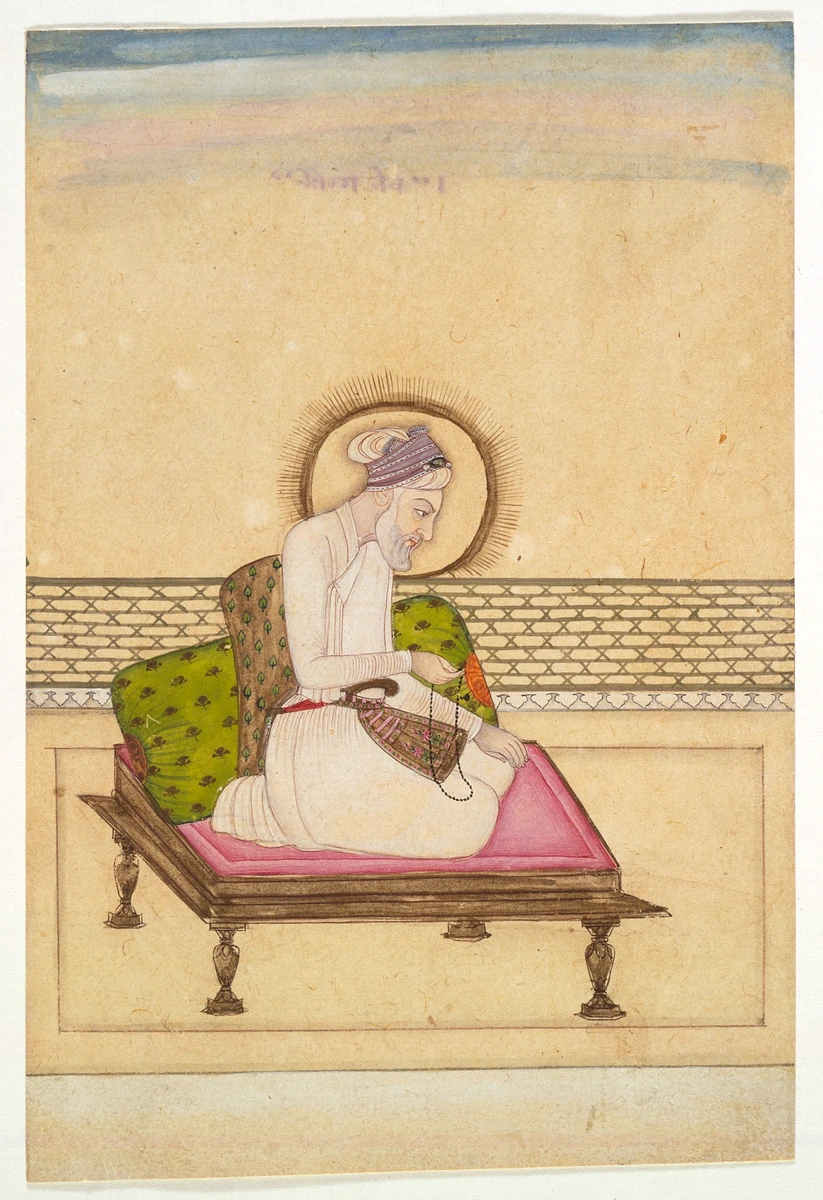
Image Source: Wikimedia
13. The Mughals in Bengal
In simple words: Bengal passed from the Husain Shahi and later Afghan sultans to Sher Shah, back towards the Sur breakup, and then to Akbar after the fall of Daud Khan Karrani. In 1631–32 Shah Jahan’s governor Qasim Khan drove the Portuguese from Hugli. English merchants later made Hugli their biggest settlement in the province, before Calcutta was founded. The later nawabs and the Diwani of 1765 belong to the modern period.
- Akbar’s Bengal campaign, led in stages by Munim Khan and others, ended independent Afghan rule in the 1570s and made Bengal a suba of the 15-province empire.
- Hugli: the Portuguese used it for piracy; Shah Jahan ordered the campaign in 1631; Qasim Khan took the port in 1632 (§11.2). It later became the principal English settlement in Bengal before Calcutta (PSC Miscellaneous 2024).
- Mir Jumla and, later, Shaista Khan governed Bengal under Aurangzeb. Shaista Khan is a trap in the 2015 Hugli options: he was not the man who took Hugli in 1632.
14. Administration in Brief (full treatment in Chapter 9)
In simple words: Akbar organised the empire so that a noble’s mansab (rank) told the state how many horsemen he must keep, and a jagir paid his salary from assigned revenue. Zamindars were hereditary local landholders, not the same as jagirdars. Todar Mal built the zabt or dahsala (bandobast) revenue system. This section answers the political-administration questions; Chapter 9 goes deeper into figures, types of jagir and the later crisis of the jagirdari system.
14.1 Mansab, ahadis and the Mir Bakshi
- Mansab means a rank or office (WBCS Prelims 2003 and 2021). Akbar introduced the Mansabdari system (PSC Miscellaneous 2023; WBP Constable 2019) in order to organise the nobility as well as his army (PSC Miscellaneous 2024), and mainly for making recruitment to the army (UPSC Prelims 1996). The system was borrowed from the system followed in Mongolia (WBPSC IDO 2007). See PSC Miscellaneous Prelims History PYQs.
- During Akbar’s time, for every ten cavalrymen the mansabdars had to maintain twenty horses, because horses had to be rested on the march and replacements were necessary in war. Both the assertion and the reason are true, and the reason explains the assertion (UPSC Prelims 1999).
- Ahadis were troopers who offered their services singly, did not attach themselves to any chief, and had the emperor as their immediate colonel — not men attached to Mirzas. Statements I, II and III are correct (UPSC Prelims 1998).
- Artillerymen did not form part of the contingents maintained by the mansabdars; cavalrymen, bowmen and musketeers did (WBCS Mains 2019). The big guns stayed under imperial service.
- The head of the military department under Akbar’s reorganised central machinery was the Mir Bakshi (UPSC Prelims 1997), who was the paymaster-general as well (WBCS Mains 2015). The officer called Bakshi was in charge of military organisation (WBCS Prelims 2010).
14.2 Jagir, zamindar and the units of the empire
- In Mughal India, both exam statements about jagirdar and zamindar are false (UPSC Prelims 2019, neither 1 nor 2). Jagirdars held revenue assignments in lieu of salary, not “in lieu of judicial and police duties,” and those assignments were not generally hereditary. Zamindars were hereditary local holders with obligations beyond bare collection. The only type of jagir which could not be transferred was the Watan Jagir (WBCS Mains 2016 and 2015). The jagir of the Mughals is equal to the iqta of the Sultanate period (WBCS Mains Delhi Sultanate 2017). See Delhi Sultanate.
- The correct sequence in ascending order of size is Paragana—Sarkar—Suba (UPSC Prelims 2021).
14.3 Todar Mal, zabt and dahsala
- Todar Mal was a revenue expert in Akbar’s court (WBCS Prelims 2012). He had already worked on settlement under Sher Shah; the later Mughal zabt is a completion of that earlier measurement, not a break with it. He reformed the revenue system during Akbar’s rule (WBCS Mains 2023 and 2022) and introduced the Zabt / zabti system of land revenue (WBCS Prelims 2003, 2005, 2015 and 2016). Ain-i-Dahsala was introduced by Akbar (WBCS Prelims 2021). The revenue system also known as the bandobast system is Dahsala (WBCS Mains 2016). In the Mughal period, zabti means one-third of total yield (WBCS Prelims 2020).
15. Chroniclers and Travellers
In simple words: The Mughals are unusually well documented. Family women and court historians wrote in Persian; European visitors wrote in their own languages. Match the book to the person, and the visitor to the emperor, and a large set of questions is already solved.
15.1 The Indian writers
- Babur — Baburnama, his own autobiography, later in Persian by Abdur Rahim Khan-i-Khanan.
- Gulbadan Begum — Humayun Nama.
- Abul Fazl — Akbarnama and Ain-i-Akbari.
- Badauni — Muntakhab-ul-Tawarikh.
- Abdul Hamid Lahori — Padshahnama, official historian of Shah Jahan.
- Jahangir wrote his own memoirs, the Tuzuk-i-Jahangiri. Do not confuse this with Tuzuk-i-Timuri, which is not a work of Amir Khusrau (WBCS Mains Delhi Sultanate 2014).
15.2 The Europeans
- Jahangir: Hawkins (arrived 1608–09) was first, with the title Khan; Sir Thomas Roe (1615–19) came as the ambassador of James I. The correctly matched pair of UPSC Prelims 1999 is Jahangir : William Hawkins. Roe does not belong with Akbar.
- Shah Jahan and Aurangzeb: Tavernier (Jean-Baptiste Tavernier) is the foreign traveller who elaborately discussed the diamonds and diamond mines of India (UPSC Prelims 2018). He visited India more than once in the reigns of Shah Jahan and Aurangzeb. François Bernier, a French physician, was at court through the war of succession and the early Aurangzeb years and described the jagirdari system and the cities of Delhi and Agra. Niccolao Manucci, a Venetian, served in Aurangzeb’s India and wrote the Storia do Mogor. For earlier visitors to Vijayanagara, see Foreign Travellers in India and Vijayanagara Empire.
15.3 How to use the Ain-i-Akbari
The Ain-i-Akbari is the administrative companion to the Akbarnama. It records the subas, the ranks, prices, and the working of zabt. When a question asks who first divided the empire into provinces, or what mansab means, or what share zabti took, the answer sits in that book and in Todar Mal’s settlement. Badauni is useful as a critical counter-voice at the same court; Lahori is the official voice of Shah Jahan; Gulbadan is the family voice of Humayun’s generation.
16. After Aurangzeb, and the Three Panipats
In simple words: Aurangzeb died in 1707. His eldest surviving son, Bahadur Shah I (Shah Alam I), took the throne after a short war among the princes; the weaker emperors who follow begin with him. The next years belong to a weaker empire, not to the political core of this chapter, but a few names return in the same question papers: Jahandar Shah, Farrukhsiyar, Muhammad Shah “Rangila”, Nadir Shah in 1739, and the Third Battle of Panipat in 1761. Learn them so you never mix the three Panipats.
- Jahandar Shah’s reign came to an early end when he was defeated by his nephew in a battle (UPSC Prelims 2003) — Farrukhsiyar, backed by the Sayyid brothers, in 1713.
- The firman of 1717 was issued by Farrukhsiyar (WBCS Mains Advent of Europeans 2022). When the East India Company was formed in 1600, the Mughal emperor in India was Akbar (WBCS Mains GK History 2021).
- Nadir Shah invaded India in 1739 (WBCS Mains 2023), during the reign of Muhammad Shah (WBCS Prelims 2024). In the 1998 UPSC matching list: 1556 — accession of Akbar; 1600 — grant of Charter to the East India Company; 1686 is paired in that paper with the death of Shivaji; 1739 — Nadir Shah’s capture of Delhi. Shivaji died in 1680; 1686 is the fall of Bijapur.
- Muhammad Shah, popularly known as Rangila, was a patron of Hindustani music (WBCS Mains 2020).
- The Third Battle of Panipat took place in 1761 (WBCS Mains 2023; WBCS Prelims Modern 2012). It was fought between the Marathas and the Afghans (Ahmad Shah Abdali), and it resulted in the defeat of the Marathas (WBCS Prelims Modern 2006; WBCS Mains Advent of Europeans 2017). The Peshwa was Balaji Baji Rao (WBPSC IDO 1996; WBP SI 2019). The Mughal emperor was Shah Alam II (WBPSC IDO 2001). It is not true that Abdali defeated Ibrahim Lodi at the Third Battle of Panipat (UPSC Prelims 2004, statement 1 is false).
17. Do Not Confuse
In simple words: Most Mughal marks are lost on near-miss pairs: the three Panipats, which emperor met which Englishman, who abolished or reimposed jizya, and who built what.
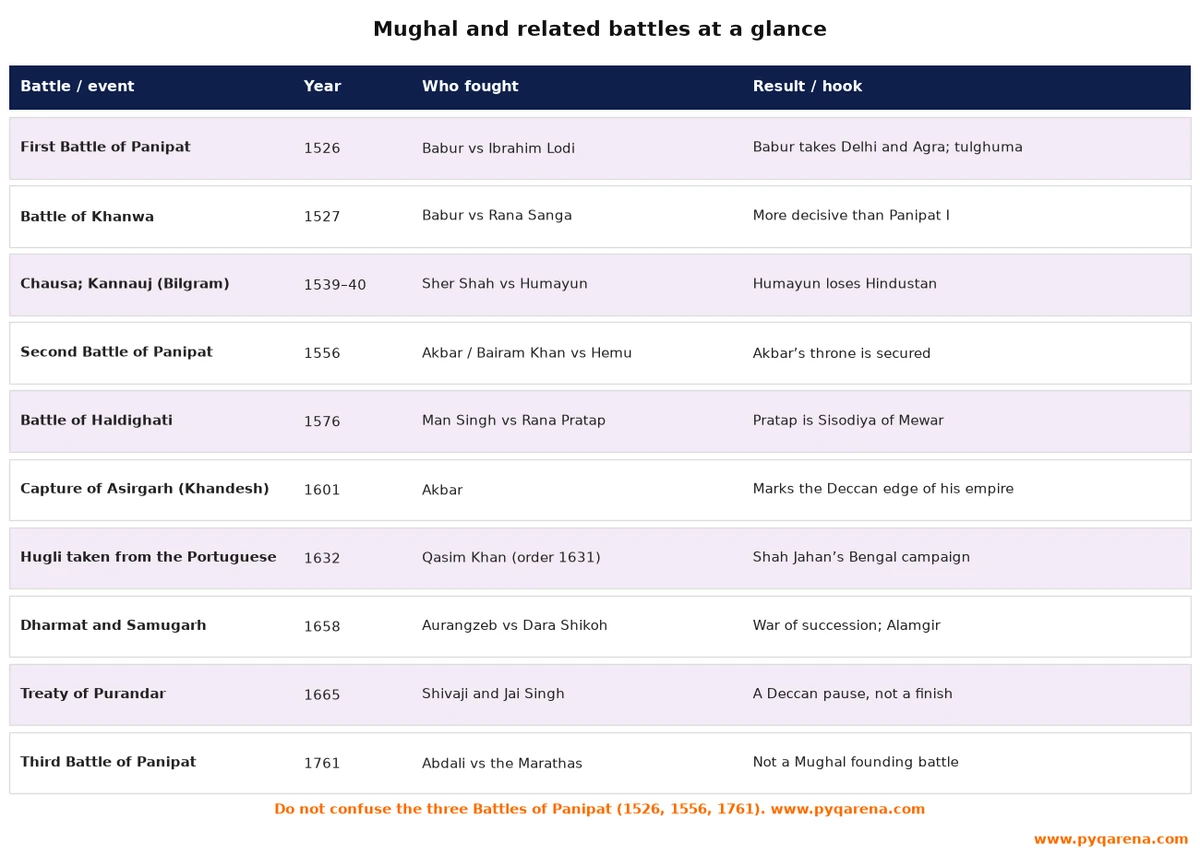
17.1 The three Battles of Panipat
- 1526 — Babur vs Ibrahim Lodi (the founding battle).
- 1556 — Akbar / Bairam Khan vs Hemu.
- 1761 — Abdali vs the Marathas, not Ibrahim Lodi, and not a founding Mughal battle.
17.2 People and books
- Baburnama is Babur’s; the Persian translation is Abdur Rahim Khan-i-Khanan’s, not Gulbadan’s. Humayun Nama is Gulbadan Begum’s. Akbarnama and Ain-i-Akbari are Abul Fazl’s. Padshahnama is Abdul Hamid Lahori’s. Muntakhab-ul-Tawarikh is Badauni’s.
- Hawkins was first at Jahangir’s court and received the title Khan. Roe also came to Jahangir, not to Akbar.
- Birbal joined Din-i-Ilahi; Todar Mal, Man Singh and Tansen did not. Tansen’s title was not given by Akbar.
- Haji Ibrahim Sarhindi translated the Atharvaveda under Akbar. Dara Shikoh arranged the Persian Upanishads.
- Zinda Pir is Aurangzeb, not Akbar. The “Akbar of Kashmir” is Zain-ul-Abedin, and the “Akbar of the Sultanate” is Firuz Tughlaq — both belong to earlier chapters.
- Jaswant Singh was not a contemporary of Akbar. The later Rajput breach came after his death, under Aurangzeb.
17.3 Policy, revenue and buildings
- Jizya was abolished by Akbar and reimposed by Aurangzeb.
- Dahsala / Ain-i-Dahsala / bandobast is Akbar (Todar Mal). Patta and kabuliyat are Sher Shah. The dam is Sher Shah’s copper coin.
- Ibadat Khana is a hall of discussion, built in 1575, not a mosque and not Din-i-Ilahi itself.
- Buland Darwaza is Akbar’s, for Gujarat, in red sandstone, not white marble.
- Shah Jahan moved the capital to Delhi and died in 1666, not in 1658. 1658 is Dharmat and Samugarh.
- Hugli: ordered 1631, taken 1632 by Qasim Khan, not Shaista Khan.
- Shivaji died in 1680; Bijapur fell in 1686.
18. The Mughals at a Glance
In simple words: If you can reproduce the two tables and the four dates 1526, 1556, 1658 and 1707, you already have the spine of the chapter.
19. Quick Revision
In simple words: Short sentences, with the year of the question attached wherever the fact has been asked.
- Babur, invited by Daulat Khan Lodi, won Panipat I in 1526 against Ibrahim Lodi, used tulghuma, and then won Khanwa (1527) against Rana Sanga, a more formidable adversary. He wrote the Baburnama; Abdur Rahim Khan-i-Khanan translated it into Persian. His arrival established the Timurid dynasty; it did not introduce gunpowder or the arch and dome (UPSC Prelims 2015).
- Humayun lost at Chausa (1539) and Kannauj (1540) to Sher Shah, lived in exile, and became the father of Akbar at Amarkot. Gulbadan Begum wrote the Humayun Nama. Haji Begum commissioned his tomb in 1558.
- Sher Shah built the Sadak-i-Azam / Grand Trunk Road, issued the rupiya and the dam, and introduced patta and kabuliyat. He died at Kalinjar. Padmavat was completed in his reign. His general in the exam lists is Brahmajit Gaur.
- Akbar defeated Hemu at Panipat II, 1556, under Bairam Khan. He divided the empire into 15 subas (21 under Aurangzeb), took Khandesh in 1601, and could not annex Assam. In 1581 he marched to Afghanistan, not to reclaim Ferghana. The Yusufzai revolt is his. The Kachchhawahas of Jaipur submitted first. Rana Pratap was a Sisodiya. Jaswant Singh was not his contemporary. Jahangir and Shah Jahan were half Rajput.
- Ibadat Khana, 1575, at Fatehpur Sikri, was a hall of religious discussion. Sulh-i-Kul and Din-i-Ilahi / Tauhid-i-Ilahi are his; Birbal (Mahesh Das) joined. He abolished jizya and the pilgrimage tax, regulated sati, and began Jharokha Darshan. V. A. Smith called Din-i-Ilahi “the monument of Akbar’s folly.”
- Abul Fazl wrote the Akbarnama and Ain-i-Akbari and mentioned America; Salim had him killed. Faizi translated Lilabati. Haji Ibrahim Sarhindi translated the Atharvaveda. Yogavasistha was translated under Akbar. Tansen was his musician, but Akbar did not give him that title. Basawan was a court artist. Tobacco entered India in Akbar’s reign; fruits came from Kabul.
- Buland Darwaza commemorates Gujarat and is not of white marble. Agra Fort’s first structures are Akbar’s. Shah Jahan moved the capital to Delhi.
- Nur Jahan was Meherunnisa. Hawkins, then Roe, came to Jahangir; the Surat factory is his. Shah Abbas pressed Qandahar. Duh-aspah sih-aspah is Jahangir’s. Portrait and album painting reached their height; his tomb is at Lahore.
- Shah Jahan’s Balkh campaign was to secure the Kabul border, and it was not a success. He ordered the Hugli campaign in 1631; Qasim Khan took the port in 1632. Dara knew Arabic, Persian and Sanskrit and translated the Upanishads. Dharmat and Samugarh (1658) were Aurangzeb against Dara. Shah Jahan died in 1666. The Taj is for Arjumand Bano Begum. Abdul Hamid Lahori wrote the Padshahnama. Mir Jumla gave him the Kohinoor.
- Aurangzeb is Alamgir I and Zinda Pir. He reimposed jizya. The Satnamis rose in his reign; he executed Tegh Bahadur. The Rajput breach followed Jaswant Singh’s death. The Deccan ulcer ruined him. Purandar (1665) was Shivaji and Jai Singh. Mir Jumla took the Ahom country for a time.
- Mansab is a rank, introduced by Akbar, borrowed from Mongolia, to organise nobility and army. Ten cavalry meant twenty horses. Ahadis served the emperor singly. Mir Bakshi was military head and paymaster. Watan jagir could not be transferred. Paragana—Sarkar—Suba is the ascending order. Todar Mal’s zabt / dahsala / bandobast assessed about one-third.
- After 1707: Jahandar Shah was defeated by his nephew; Nadir Shah came in 1739; Muhammad Shah was Rangila; Panipat III, 1761, was Abdali versus the Marathas.
Related Notes
- Delhi Sultanate
- Provincial Kingdoms of the Sultanate Period
- Medieval Bengal
- Vijayanagara Empire
- Bahmani Empire and Deccan Sultanates
- Bhakti and Sufi Movements
- Foreign Travellers in India
- Religious Movements in Ancient India
Practice
- WBCS Mains Mughal Empire PYQs
- UPSC Prelims Medieval History: Mughal Empire PYQs
- WBCS Prelims Medieval Indian History PYQs
- UPSC Prelims Medieval History: Administration, Culture and Marathas PYQs
- WBCS Mains Advent of Europeans PYQs
- PSC Miscellaneous Prelims History PYQs
- UPSC Prelims Art and Culture: Music PYQs
- UPSC Prelims Art and Culture: Architecture PYQs
- WBCS Mains General Knowledge History PYQs
- WBCS Mains General Knowledge Art and Culture PYQs
- WBCS Mains Delhi Sultanate PYQs
- WBCS Prelims Modern Indian History PYQs
Leave a Comment