

Who is this for? Beginners and aspirants for WBCS, UPSC Prelims, other State PSCs, WBP and Clerkship exams. This is Chapter 9 of Medieval Indian History. It covers how the Mughal state was run: the central and provincial offices, mansabdari and jagirdari, land revenue, coinage, the economy of farms, workshops, trade and ports, and the society that lived under that order. The political story from Babur to Aurangzeb is in the previous notes, Mughal Empire. Maratha administration has Chapter 10; art and architecture have Chapter 12. Every exam question that belongs to this machinery is answered below. 🔗 Practise alongside: UPSC Prelims Medieval History: Administration, Culture and Marathas PYQs | UPSC Prelims Medieval History: Mughal Empire PYQs | WBCS Mains Mughal Empire PYQs | WBCS Prelims Medieval Indian History PYQs | UPSC Prelims Medieval History: Delhi Sultanate PYQs 📖 Read first: Mughal Empire | Delhi Sultanate | Vijayanagara Empire | Bahmani Empire and Deccan Sultanates | Bhakti and Sufi Movements
1. The Big Picture
In simple words: The Mughal empire was a land-revenue state with a ranked nobility. A noble’s mansab told the court his rank and how many horsemen he must keep. A jagir paid him, by assigning the revenue of a tract rather than a cash salary from the centre every month. The peasant’s harvest was measured, classified and demanded, most famously under Todar Mal’s zabt or dahsala. Trade, workshops and ports paid customs and supplied the court. The Ain-i-Akbari is the great contemporary handbook of this system.
The offices and the revenue tools had older roots. The Delhi Sultanate had already used the iqta, which the exams treat as the counterpart of the Mughal jagir. Sher Shah measured land, wrote patta and kabuliyat, and issued the rupiya and the dam. Akbar and Todar Mal turned that work into a regular bandobast. The battles, the Rajput alliance and the religious policy that made this administration possible are told in Mughal Empire.
1.1 Why this chapter matters for exams
- UPSC Prelims returns to mansab, ahadis, jagirdar and zamindar, the ten-cavalry / twenty-horse rule, Paragana—Sarkar—Suba, Banjaras, the araghatta, village headmen, and the iqta–jagir pairing. See UPSC Prelims Medieval History: Mughal Empire PYQs and UPSC Prelims Medieval History: Administration, Culture and Marathas PYQs.
- WBCS asks Todar Mal, zabt and dahsala, patta and kabuliyat, Watan Jagir, the Mir Bakshi, 15 and 21 provinces, the dam, tobacco and maize, Surat, and the official language, Persian. See WBCS Mains Mughal Empire PYQs and WBCS Prelims Medieval Indian History PYQs.
1.2 How the machine ran, in one cycle
Start with a field. The patwari and the amin knew whether it was polaj or fallow, what it had grown, and what the dastur said it should pay. In a zabt suba that demand was a cash figure, typically one-third of the estimated yield, averaged over ten years in the dahsala. The peasant received a patta and gave a kabuliyat, a practice that goes back to Sher Shah. The muqaddam collected, the chaudhuri and qanungo checked, and the amalguzar of the sarkar forwarded the share that belonged to the khalisa or to the jagirdar.
The jagirdar was a ranked man. His mansab told the Mir Bakshi how many horses and men he must parade, branded and enrolled. His jagir — unless it was a Watan — could be transferred, so that he did not treat the assignment as a family estate. The Diwan watched the jama and the hasil. If the assignment was late, the land sat in paibaqi. If the empire made more mansabdars than it had paying land, the later jagirdari crisis had begun.
Over the roads went grain, cloth and money. Banjaras moved the bulk goods; sarrafs moved the value by hundi; sarais housed the travellers. At Surat and Hugli the European companies bought textiles and indigo. The official language of the paper that recorded all this was Persian, and the handbook that still explains it is the Ain-i-Akbari.
2. The Central Government
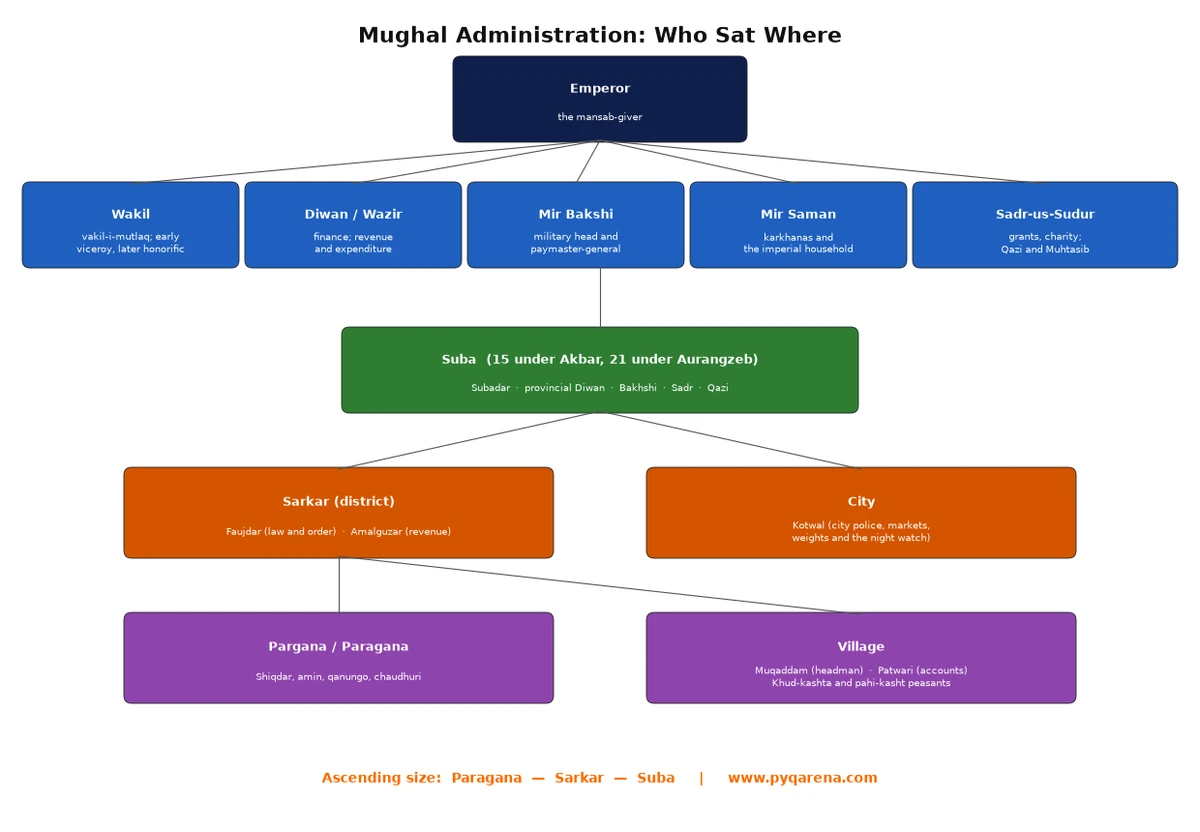
In simple words: Under Akbar the centre was reorganised as a set of great offices. The Diwan (or Wazir) looked after finance. The Mir Bakshi headed the military department and was the paymaster-general. The Mir Saman ran the imperial household and the karkhanas. The Sadr-us-Sudur looked after religious grants; the Qazi and the Muhtasib handled law and public morals. The Wakil had once been a viceroy-like deputy; later the title became honorific.
2.1 The great offices
- In the early years Bairam Khan held the wakalat as regent. Once Akbar took power into his own hands, the Wakil (sometimes wakil-i-mutlaq) ceased to be the daily head of government, and the working centre became the cluster of ministers around the emperor.
- The Diwan-i-Ala or Wazir was the finance minister: he watched the jama (the assessed demand), the hasil (what actually came in), the khalisa and the jagir assignments. A later nawab of Awadh, Safdar Jang, was appointed Wazir of the Mughal empire (WBCS Mains Advent of Europeans 2019). That is a late-Mughal fact; the working model of the office is Akbar’s.
- The head of the military department under the reorganised central machinery of Akbar’s reign was the Mir Bakshi (UPSC Prelims 1997), who was the paymaster-general as well (WBCS Mains 2015). The officer called Bakshi was in charge of military organisation (WBCS Prelims 2010). The office of Mir Bakshi did not come into existence under the Khalji sultans of Delhi (UPSC Prelims 2019, statement 3 is false). See UPSC Prelims Medieval History: Delhi Sultanate PYQs and UPSC Prelims Medieval History: Mughal Empire PYQs.
- The diwan and the mir bakshi were meant to check each other. The diwan signed the salary papers; the bakshi certified the contingent. A jagir was not released until both had done their work. That is why the exams can ask the mir bakshi as both military head and paymaster-general.
- The Mir Saman (or Khan-i-Saman) ran the imperial household, stores and the karkhanas — the workshops that made arms, textiles, jewellery and furniture for the court.
- The Sadr-us-Sudur recommended madad-i-maash (subsistence grants) and other religious and charitable assignments. The Qazi-ul-Quzat headed the judiciary; the Muhtasib watched markets, weights and public morals.
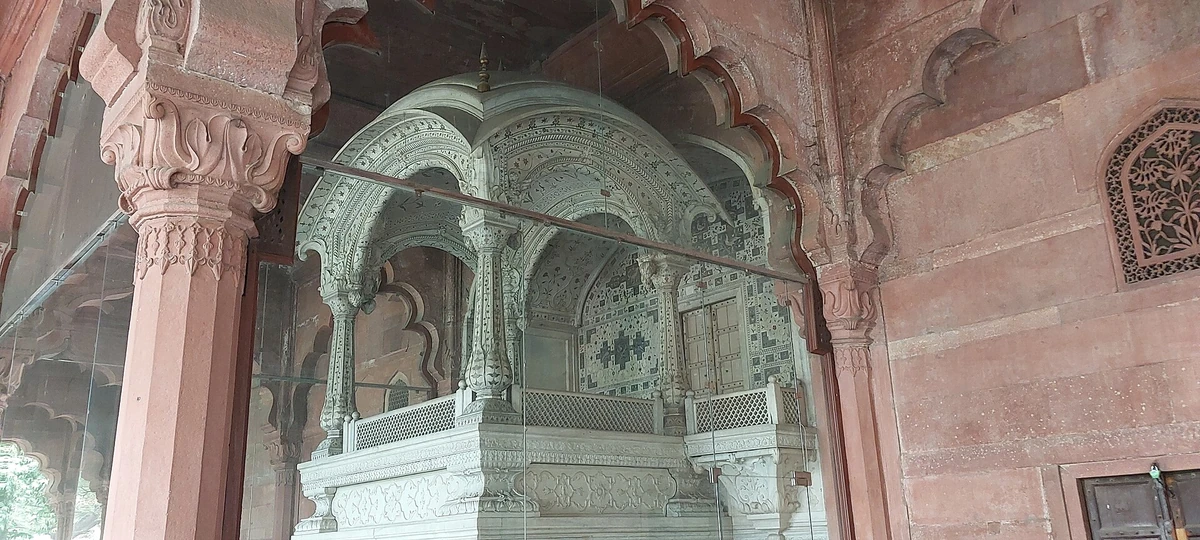
Image Source: Wikimedia
3. Provinces, Sarkars and the Local Order
In simple words: Akbar was the first Mughal to divide the empire into provinces (subas) — 15 in his time and 21 under Aurangzeb. Each suba had a subadar (governor) and a provincial diwan, so that the sword and the purse were not in one hand. Below the suba came the sarkar and the pargana, and at the bottom the village.
3.1 The units of the empire
- Akbar was the first Mughal emperor to divide the empire into provinces (WBCS Mains 2017). There were 15 and 21 Mughal provinces under Akbar and Aurangzeb respectively (WBCS Mains 2017).
- The correct sequence in ascending order of size is Paragana—Sarkar—Suba (UPSC Prelims 2021). Learn it in that direction: village clusters into a pargana, parganas into a sarkar, sarkars into a suba.
- The suba was headed by the Subadar (or sipahsalar). A separate Diwan handled provincial revenue and reported towards the central diwan, not only to the governor. A provincial Bakhshi, Sadr and Qazi mirrored the centre on a smaller scale. The point of the split was political as well as administrative: a subadar who also held the diwani could treat the province as a private kingdom. Akbar’s rule, followed in the settled decades that followed, was to keep the two appointments distinct and to rotate both men. That same fear of a hereditary local power explains, later, why only the Watan Jagir was left untransferred.
3.2 The sarkar, the city and the pargana
- In the sarkar, the Faujdar was responsible for law and order and for helping the revenue staff when peasants or zamindars resisted. The Amalguzar (or amil) was the revenue collector of the sarkar.
- In the revenue administration of the Delhi Sultanate, the in-charge of revenue collection was known as ‘Amil’. That statement is true. The iqta system of the sultans was not an ancient indigenous institution, and the Mir Bakshi was not a Khalji office. So only statement 1 is correct (UPSC Prelims 2019). See UPSC Prelims Medieval History: Delhi Sultanate PYQs.
- The Kotwal ran the city: police, markets, weights, the watch at night, and a register of coming and going. He is the urban counterpart of the faujdar, not a rural revenue officer.
- In the pargana (the spelling Paragana is the one the 2021 paper uses), the shiqdar kept order, the amin assessed, the qanungo kept the records, and the chaudhuri was a local intermediary in collection.
3.3 The village
- The muqaddam was the village headman; the patwari kept the village accounts. Earlier medieval designations for village headmen include Mahattara and Pattakila (UPSC Prelims 2014). Those older names belong to the same layer of rural office; the Mughal pair to lock is muqaddam and patwari. See UPSC Prelims Medieval History: Administration, Culture and Marathas PYQs.
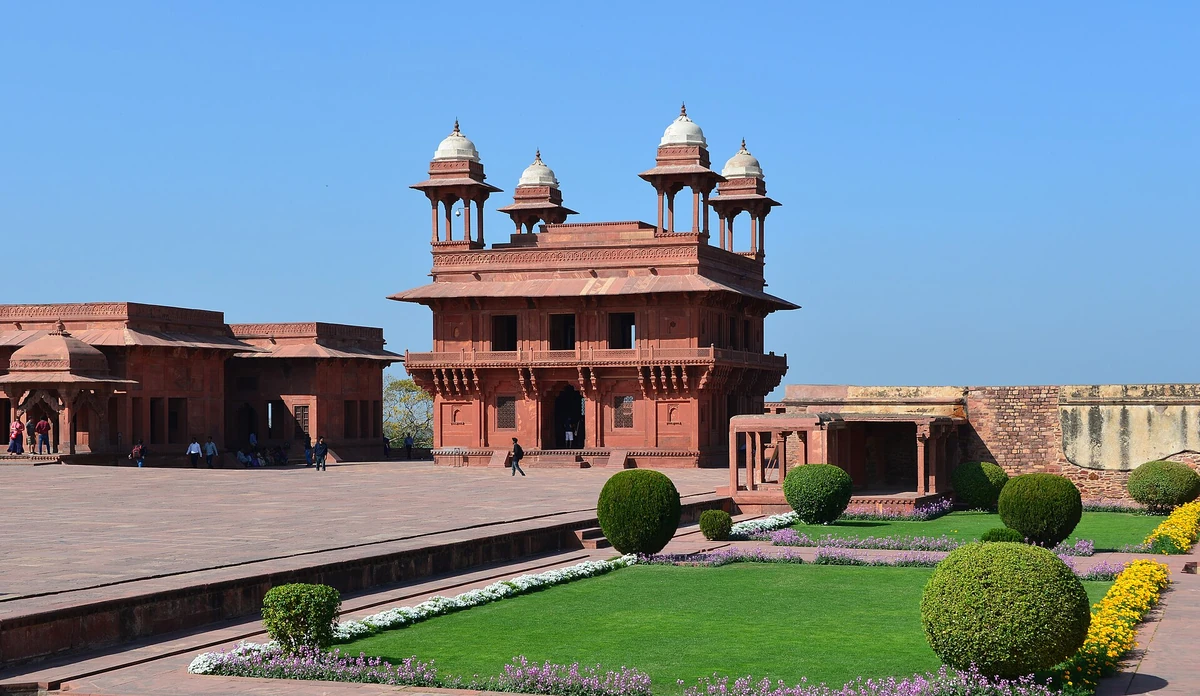
Image Source: Wikimedia
4. The Mansabdari System
In simple words: Mansab means a rank or office. Akbar introduced the system, borrowing the idea from the practice followed in Mongolia, in order to organise the nobility and the army, and mainly to recruit cavalry. Each mansabdar had a zat rank (his personal standing and salary) and a sawar rank (the horsemen he had to maintain). Jahangir added the du-aspa sih-aspa rule. Ahadis were the emperor’s own single troopers. Artillery stayed with the imperial establishment, not with the mansabdar’s contingent.
4.1 Rank, purpose and origin
- Mansab means a rank or office (WBCS Prelims 2003 and 2021).
- Akbar introduced the Mansabdari system (PSC Miscellaneous 2023; WBP Constable 2019). He did so in order to organise the nobility as well as his army (PSC Miscellaneous 2024), and the system was introduced mainly for making recruitment to the army (UPSC Prelims 1996). Both official wordings stand: the mansab ranked a noble and bound him to produce a stated number of horsemen. The system was borrowed from the system followed in Mongolia (WBPSC IDO 2007). See PSC Miscellaneous Prelims History PYQs and UPSC Prelims Medieval History: Mughal Empire PYQs.
4.2 Zat, sawar, dagh and chehra
- Zat fixed the mansabdar’s personal rank and the scale of his salary. Sawar fixed the number of cavalry he was required to bring. Sawar could not ordinarily exceed zat.
- Horses and men were checked by dagh (the branding of horses) and chehra (the descriptive roll of the trooper). Both practices had already been used by Sher Shah; Akbar absorbed them into the mansab.
- During Akbar’s time, for every ten cavalrymen the mansabdars had to maintain twenty horses, because horses had to be rested on the march and replacements were necessary in war. Both the assertion and the reason are true, and the reason explains the assertion (UPSC Prelims 1999).
- Jahangir introduced the Duh-Aspah Sih-Aspah system (WBCS Prelims 2016). It allowed a mansabdar, on selected sawar, to maintain double (du-aspa) or triple (sih-aspa) the horses — and to be paid accordingly — without a matching rise in his zat rank.
4.3 Ahadis and the guns
- Ahadis were troopers who offered their services singly, did not attach themselves to any chief, and had the emperor as their immediate colonel. They were not men attached to Mirzas. Statements I, II and III are correct (UPSC Prelims 1998).
- Artillerymen did not form part of the contingents maintained by the mansabdars; cavalrymen, bowmen and musketeers did (WBCS Mains 2019). The heavy guns remained under imperial service, through the Mir Atish and the central workshops.
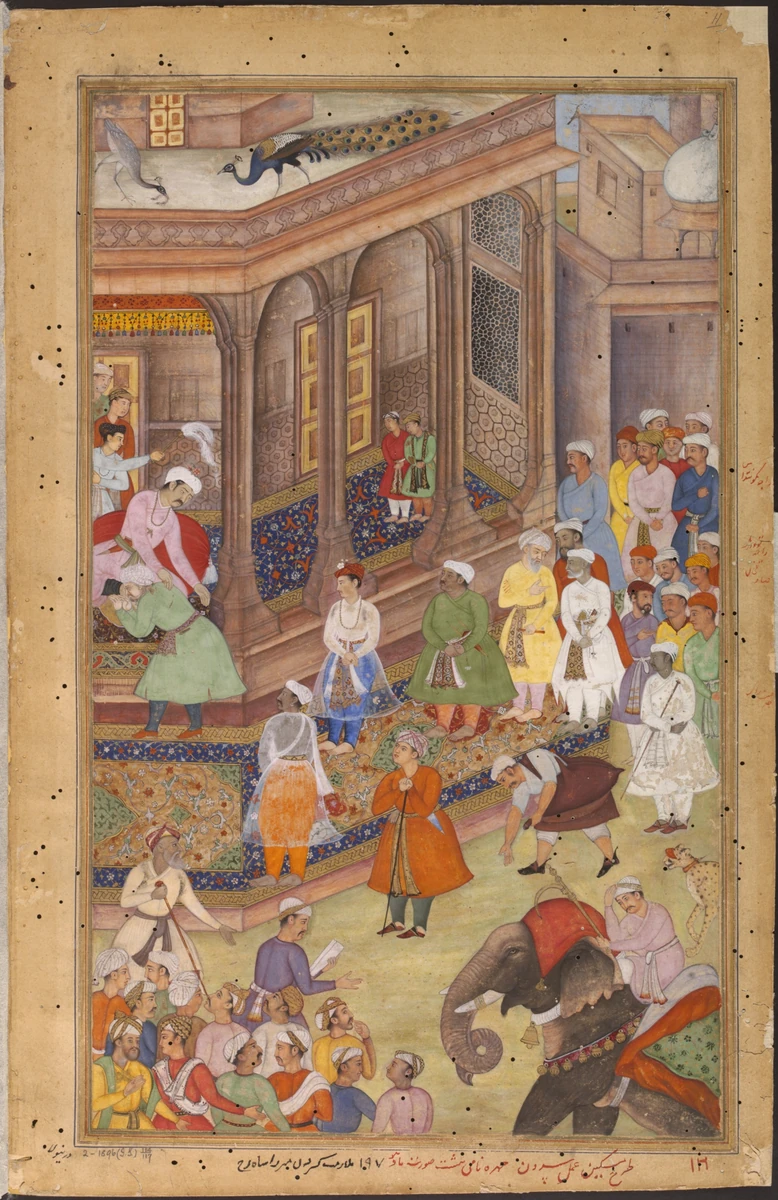
Image Source: Wikimedia
5. Jagirdari, Khalisa and Zamindars
In simple words: A jagir was a revenue assignment given to a mansabdar in lieu of salary, not a private estate to be inherited at will. The khalisa was the land whose revenue went straight to the imperial treasury. Zamindars were hereditary local holders, a different category from jagirdars. The only jagir that could not be transferred was the Watan Jagir. In the later seventeenth century the system came under strain: that is the jagirdari crisis.
5.1 Jagir and iqta
- The jagir of the Mughals is equal to the iqta of the Sultanate period (WBCS Mains Delhi Sultanate 2017). In a standard matching list, Iqta belongs to the Delhi Sultans, Jagir to the Mughals, Amaram to Vijayanagara, and Mokasa to the Marathas (UPSC Prelims 2000: I-B, II-C, III-D, IV-A). See Delhi Sultanate, Vijayanagara Empire and UPSC Prelims Medieval History: Administration, Culture and Marathas PYQs.
- An iqta was a grant of land revenue from a village or territory, in lieu of salary (WBCS Prelims 2010 and 2002). Iltutmish introduced the iqta system in the Sultanate (WBCS Prelims 2021 and 2024) and organised iqta, army and currency among the core organs of that state (WBCS Prelims 2024). The Iqtadars were also known as muqtis (WBCS Mains Delhi Sultanate 2017). Fawazil in the Sultanate period meant the excess amount paid to the exchequer by the iqtadars (UPSC Prelims 1998). At first Turkish administration in India was essentially military, because the country was parcelled out as iqtas among leading military leaders; both the assertion and the reason are true, and the reason explains the assertion (UPSC Prelims 1998). The political history of those sultans is in Delhi Sultanate.
5.2 Types of jagir and the Watan
- A tankhwah jagir paid a mansabdar’s salary and was transferable; the holder was moved from one assignment to another so that no jagir hardened into a private principality. A mashrut jagir was tied to a particular post. The Watan Jagir was the hereditary home territory of a chief — typically a Rajput watan — and was the only type of jagir which could not be transferred (WBCS Mains 2016 and 2015).
- The khalisa was reserved for the treasury. Land that had been assessed but not yet handed to a mansabdar was paibaqi — a waiting list of assignments. As the number of mansabdars grew, the gap between the total jama and the jagirs actually available became the start of the later crisis.
5.3 Jagirdar and zamindar
- In Mughal India, both exam statements about jagirdar and zamindar are false (UPSC Prelims 2019, neither 1 nor 2). Jagirdars held revenue assignments in lieu of salary, not “in lieu of judicial and police duties,” and those assignments were not generally hereditary. Zamindars were hereditary local holders with obligations beyond bare collection: they had a claim on a share of the produce, raised followers, and could be used — or had to be overawed — by the faujdar and the amalguzar. Where peasants dealt fairly directly with the state, collection was more regular. Where a strong zamindar stood in the way, assessment and collection were both harder. That is one more reason why a transferable jagirdar and a hereditary zamindar were not the same person.
- An essential element of a feudal order is an administrative structure based on control and possession of land, and a lord–vassal relationship between the feudal lord and his overlord. A very strong centre with very weak provinces is not an essential element. So statements 2 and 3 only are correct (UPSC Prelims 2015). The Mughal state itself kept a strong centre and transferable jagirs; that is why the zamindar must not be collapsed into the jagirdar, and why the Watan is listed as the exception.
5.4 The jagirdari crisis
- From the later years of Shah Jahan and, more sharply, under Aurangzeb, mansabs multiplied faster than paying jagirs. Nobles waited for assignments (be-jagiri), transferred jagirs were over-assessed on paper, and collectors who had only a short tenure pressed the peasant for a quick hasil. Jagirdars in the Deccan found that the recorded jama of a pargana was far above what could actually be taken. The long Deccan wars, treated in Mughal Empire, made the shortage worse: new Deccani and Maratha mansabdars had to be paid, while north-Indian khalisa was already committed. The crisis is an administrative fact of the late empire, not a separate political narrative.
6. Land Revenue: From Sher Shah to Todar Mal
In simple words: Sher Shah measured the land, wrote a patta for the peasant and took a kabuliyat in return, and collected a cash demand on that basis. Todar Mal, who had already worked on settlement under Sher Shah, completed the system under Akbar. The measured cash demand is zabt or zabti. The ten-year average known as dahsala is the bandobast. In the Mughal period zabti means one-third of total yield.
6.1 Sher Shah’s settlement
- Kabuliyat (or Qabuliyat) and Patta as instruments of settlement were introduced by Sher Shah (WBCS Mains 2023; WBCS Prelims 2020 and 2024). A WBPSC Clerkship question has the same answer, without a printed year.
- The patta recorded the holding and the demand; the kabuliyat was the peasant’s written acceptance of that demand. Measurement, a cash rate, and a standing army paid in cash were the administrative spine of the five Sur years. The political rise and death of Sher Shah at Kalinjar are in Mughal Empire.
6.2 Todar Mal, zabt and dahsala
- Todar Mal was a revenue expert in Akbar’s court (WBCS Prelims 2012). He reformed the revenue system during the rule of Akbar (WBCS Mains 2023) and systematized the land revenue system under Akbar (WBCS Mains 2022).
- He introduced the Zabt / zabti system of land revenue during the reign of Akbar (WBCS Prelims 2003, 2005, 2015 and 2016). Ain-i-Dahsala was introduced by Akbar (WBCS Prelims 2021). The revenue system also known as the bandobast system is Dahsala (WBCS Mains 2016).
- In the Mughal period, zabti means one-third of total yield (WBCS Prelims 2020).
- Dahsala took a ten-year average of prices and produce and then fixed a cash demand on the measured bigha. The schedule of rates was the dastur; the assessed total was the jama. Measurement used a standard gaz (the ilahi gaz under Akbar) and a rope or bamboo rod. For a time Akbar also tried the karori experiment: an officer was made responsible for a crore of dams of revenue in his charge. The experiment was later eased, and the regular zabt of Todar Mal remained the backbone in the measured subas of the north — Agra, Delhi, Lahore, Allahabad, Awadh and parts of Malwa and Ajmer. Elsewhere the state used other methods, which is the next section.
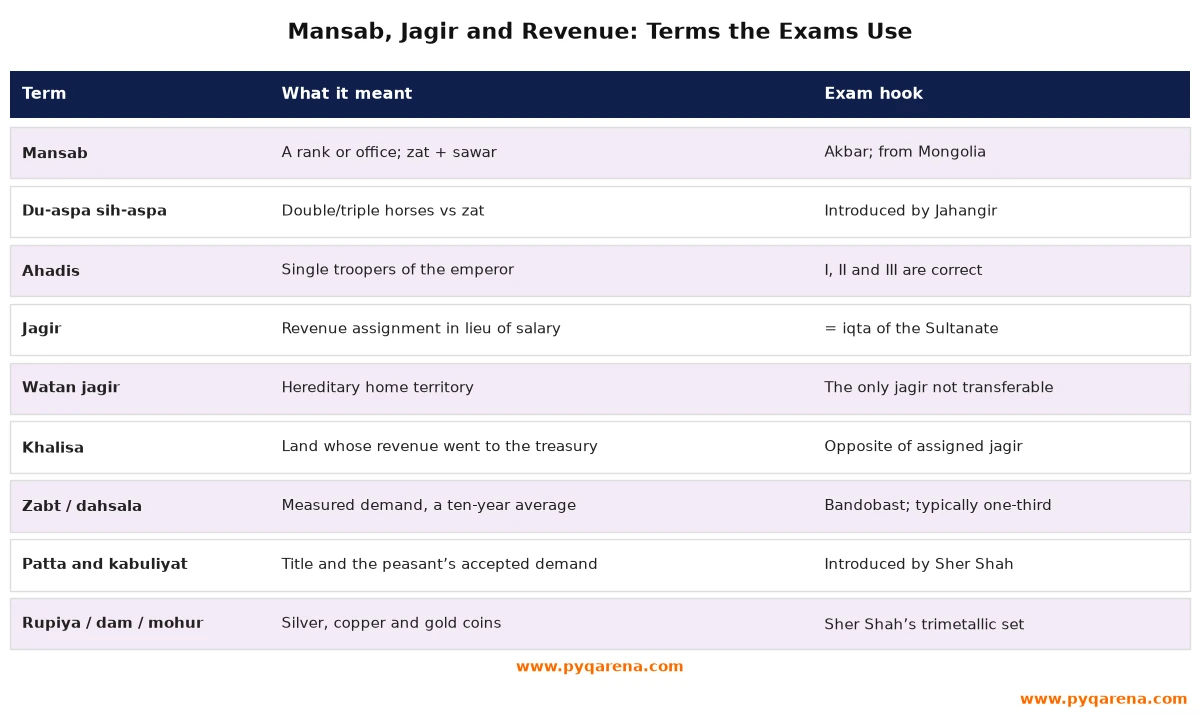
7. Methods of Assessment and the Peasant’s Land
In simple words: Not every field was under zabt. The state could take a share of the actual crop (batai or ghalla-bakhshi), estimate the standing crop (kankut), or follow the previous demand with only light revision (nasaq). Land itself was classed by how regularly it was cropped: polaj, parauti, chachar and banjar. Grants and loans — madad-i-maash, taqavi — and, later, revenue farming (ijara) sat beside this assessment.
7.1 Batai, kankut and nasaq
- Batai or ghalla-bakhshi divided the harvested grain between the state and the peasant in an agreed share.
- Kankut estimated the yield on the standing crop, field by field, and then converted the state’s share into cash or kind.
- Nasaq (or kankut-nasaq in some schedules) started from past collections and modified them, instead of measuring every season. It was quicker, and more open to abuse, than a fresh zabt.
- These three methods were older than Akbar; zabt did not abolish them. The exam distinction is that dahsala / bandobast / Ain-i-Dahsala is the Akbar–Todar Mal measured cash system, and that zabti in the 2020 wording is one-third of total yield.
7.2 Polaj, parauti, chachar, banjar
- Polaj was land under continuous cultivation. Parauti was left fallow for a short time to recover. Chachar had been left fallow for longer, commonly three to four years. Banjar was uncultivated for five years or more. Rates were highest on polaj and were eased on land that had to be brought back under the plough.
- Do not confuse banjar (uncultivated land) with the Banjaras, who were itinerant traders (UPSC Prelims 2016).
7.3 Grants, loans and ijara
- Madad-i-maash was a subsistence grant of land revenue, usually recommended by the Sadr, to scholars, religious men and sometimes to widows or retired servants. It was meant to be a living, not a jagir for a troop of horse.
- Taqavi was an agricultural loan, given so that a peasant could buy seed or oxen or recover from a bad season, and then recovered with the revenue.
- Ijara was revenue farming: a contractor paid a lump sum and collected from the peasants. The high Mughal system preferred zabt and khalisa to ijara; farming spread more widely in the later, weaker years of the empire.
- In a bad year the diwan could remit part of the demand and issue taqavi. Storehouses at the sarai and the city were meant to feed the army first, and then to moderate prices. A famine was an administrative failure as well as a natural one, because a cash zabt still had to be adjusted when the crop was not there.
8. The Army, Law and Coinage
In simple words: The mansabdar’s contingent was cavalry first. The imperial workshops and the Mir Atish handled the guns. Law was the work of the qazi, with the emperor as the last court of appeal. The coinage that everyday revenue used was Sher Shah’s trimetallic set: the silver rupiya, the copper dam, and the gold mohur.
8.1 The army
- The fighting strength of a mansabdar was his sawar contingent, checked by dagh and chehra, and paid from his jagir. Ahadis formed a small imperial elite beside that system (§4.3). Artillery, elephants and the workshop output of the karkhanas remained under the centre.
- Banjaras moved grain and supplies with the camps as well as on ordinary trade routes; in the economic questions they are classified as traders (UPSC Prelims 2016).
8.2 Law
- Ordinary suits and many criminal matters went to the qazi. The emperor’s court, and sometimes a mir-i-adl, heard appeals and cases the qazi could not close. Hindu communities continued to use their own jurists and family law in private disputes.
- Famous jurists of medieval India in the exam list are Vijnanesvara, Hemadri and Jimutavahana; Rajasekhara is the name that does not belong. So I, II and IV are correct (UPSC Prelims 1995). They wrote before the Mughal period (the Mitakshara, the Chaturvarga-chintamani, the Dayabhaga), but the question is asked on the same administration papers. See UPSC Prelims Medieval History: Administration, Culture and Marathas PYQs.
8.3 Coinage
- Sher Shah introduced the silver rupiya. The dam was the copper coin introduced by Sher Shah (WBCS Prelims 2013). A gold mohur completed the trimetallic set that Mughal mints later continued. Under Akbar the copper dam was a regular fraction of the silver rupee, and salaries and jama were commonly stated in dams. Forty copper dams made one silver rupee. Mints (dar-ul-zarb) at the great cities struck the three metals to a standard weight; shaved or debased coin was punished, because a cash zabt collapses if the rupee is not trusted. Customs and market dues, grouped in the accounts as sair, were a smaller but regular partner of the land demand.
- The political career of Sher Shah, and the Grand Trunk Road along which money and goods moved, are in Mughal Empire.
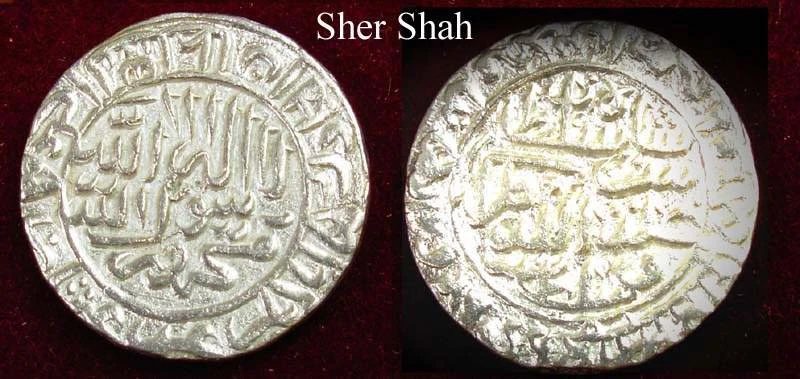
Image Source: Wikimedia
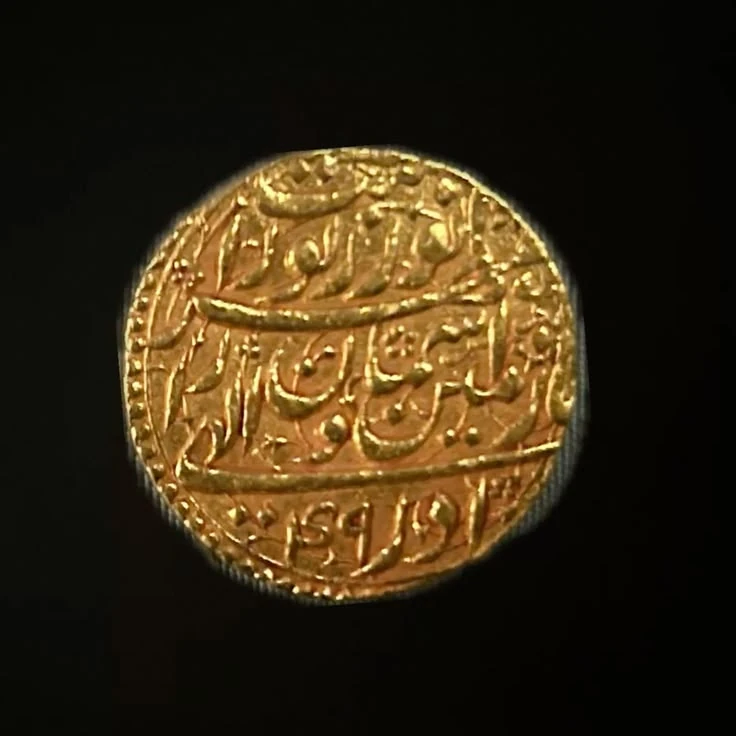
Image Source: Wikimedia
9. Agriculture, Irrigation and Crops
In simple words: Most of the empire’s income was agricultural. Peasants raised food-grains, cotton, sugarcane, indigo, oilseeds and, in the east, rice and raw silk. Two major new crops of the Mughal period were tobacco and maize, both introduced during the reign of Akbar in the exam wording. The court also imported fruits from Kabul. Wells, canals, tanks and the araghatta (a waterwheel) watered the fields.
9.1 Crops and new plants
- Two major crops introduced in India during the Mughal period were tobacco and maize (WBCS Mains 2020). Tobacco was introduced during the reign of Akbar (WBCS Mains 2017, 2016 and 2015).
- The Mughals imported fruits from Kabul (WBCS Mains 2020).
- The older staples remained in use: wheat and millets in the north-west and the doab, rice in Bengal, Bihar and Orissa, cotton and indigo in Gujarat and the doab, sugarcane in a wide belt, and mulberry silk in Bengal. Cash crops were encouraged because they paid the cash demand of zabt more readily than coarse grain.
9.2 Irrigation
- With reference to the economic history of medieval India, the term ‘Araghatta’ refers to a waterwheel used in the irrigation of land (UPSC Prelims 2016). The machine was a large wheel with pots on its rim, turned by oxen or by the current, to lift water into channels. See UPSC Prelims Medieval History: Administration, Culture and Marathas PYQs.
- Wells (ber, charas, dhenkli), tanks and the older canal work of the Delhi Sultanate — above all the network associated with Feroz Shah Tughlaq (UPSC Prelims 1998) — continued to matter. The Mughal contribution was less a new engineering style than the regular use of such devices under a cash revenue demand. In dry seasons taqavi loans and a remission of demand were the ordinary remedies; a failed monsoon showed at once in the hasil of the jagir and the khalisa.
10. Crafts, Textiles and Karkhanas
In simple words: Beside the village, India was a land of crafts. The great export was textiles — cottons from Gujarat and the Coromandel, muslins from Bengal, silks and mixed stuffs, carpets and shawls. The emperor’s own workshops, the karkhanas, made luxury cloth, arms, jewellery and furniture for the court. Independent artisans, merchant-financiers and these imperial shops existed side by side.
- Cotton weaving was the largest urban industry. Gujarat, Bengal and the Coromandel coast supplied both inland markets and the ships at Surat, Hugli, Masulipatnam and the western ports. Broach and Cambay fed Surat; Balasore and Pipli sat on the same eastern seaboard as Hugli. Dyeing, chintz-printing and the finer muslins of Bengal gave Indian cloth its name in Asian and European markets. Indigo from the doab and Gujarat, saltpetre from Bihar and raw silk from Bengal were the other bulk exports that paid for the silver that came in from the Red Sea and the European companies.
- The karkhana was a workshop under imperial, princely or noble patronage. The Mir Saman was responsible for the emperor’s karkhanas. Each shop had a darogha, skilled ustads and a store of raw material paid for by the treasury. They did not replace the independent weaver; they concentrated high-quality production and training at the court, and they set standards that private workshops in Agra, Lahore and Ahmedabad then copied for the open market.
- Other crafts — shipbuilding at the ports, metalwork, paper, stone and inlay — fed the same urban demand. The foreign traveller who elaborately discussed the diamonds and diamond mines of India is Jean-Baptiste Tavernier (UPSC Prelims 2018); he travelled in the reigns of Shah Jahan and Aurangzeb. Painting and architecture, including the ateliers at the height of Jahangir’s reign, have their own chapter (Chapter 12).
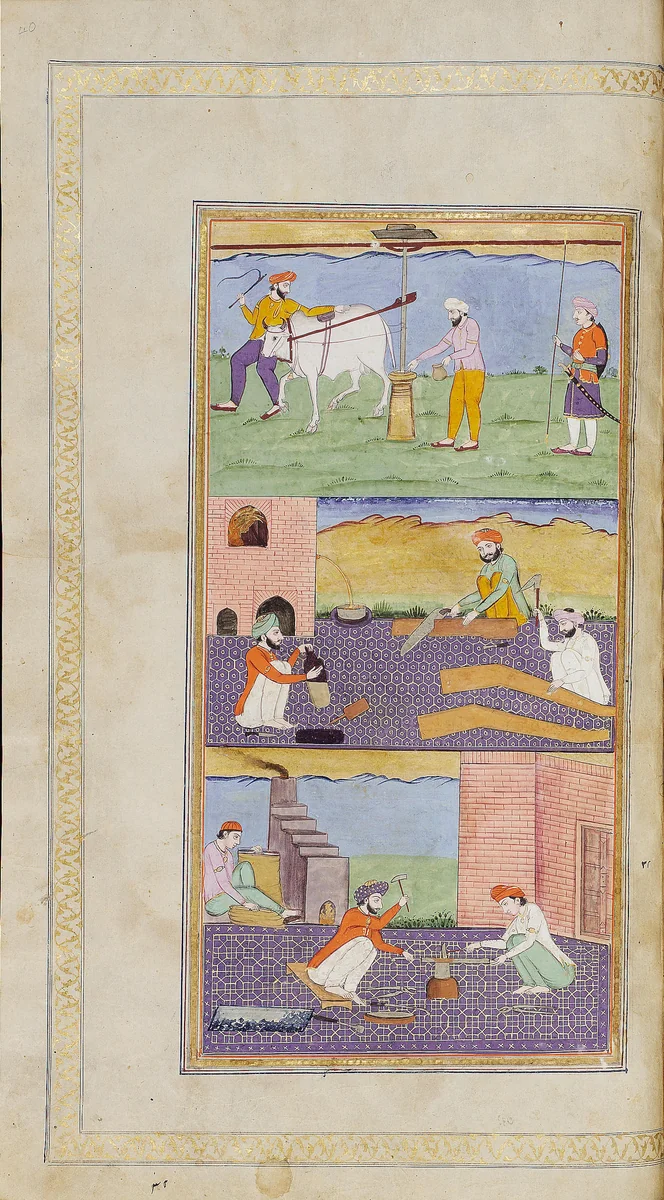
Image Source: Wikimedia
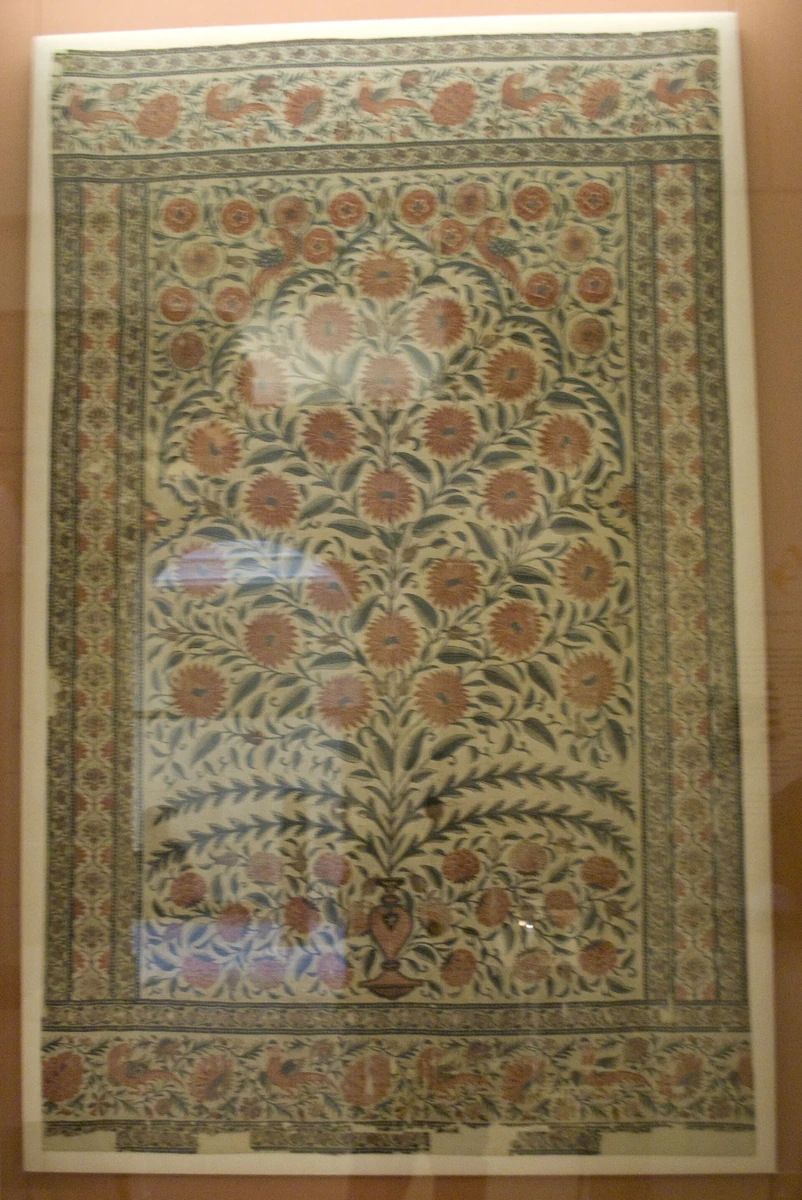
Image Source: Wikimedia
11. Trade, Banking, Ports and Cities
In simple words: Inland trade moved along roads and rivers, much of it in the care of Banjaras. Merchants and sarrafs (money-changers) used the hundi, a bill of exchange, to move money without moving coin. The great ocean ports were Surat — called Babul Makka — and, in Bengal, Hugli. The English first factory in India was at Surat, by permission of Jahangir. Cities such as Agra, Delhi, Lahore, Ahmedabad and Burhanpur were both courts and markets.
11.1 Merchants, Banjaras and the hundi
- Banjaras during the medieval period of Indian history were generally traders (UPSC Prelims 2016), not agriculturists, warriors or weavers. They moved grain, salt and other bulk goods in large convoys (tandas), and also provisioned armies.
- The hundi, in the sources of the post-Harsha period and later, was a bill of exchange (UPSC Prelims 2020). It was not a royal advisory, a daily account-book, or an order from a feudal lord. Mughal sarrafs (shroffs, money-changers and bankers) used hundis to credit a merchant in another city, which is how inland trade worked without carts of silver on every road. A hundi drawn at Agra could be cashed at Surat or Ahmedabad, for a discount. The 2020 wording is taught here from the fact itself; that paper is not linked, because it sits on an Ancient Prelims list.
11.2 Roads, sarais and cities
- The Sadak-i-Azam or Grand Trunk Road, with its sarais and horse-post, is Sher Shah’s work, continued by the Mughals; the political account is in Mughal Empire. Sarais housed merchants as well as official couriers.
- Agra, Fatehpur Sikri (for a time), Lahore, Delhi–Shahjahanabad, Ahmedabad, Burhanpur, Patna and the Bengal ports were the principal urban centres. They combined a court or a provincial capital with markets, mints and artisan quarters. Agra and Delhi were the two great royal cities of the north; Lahore faced the north-west road; Ahmedabad and Surat made Gujarat the western workshop and harbour; Patna and Hugli anchored the eastern river trade. A mint town and a customs post (sair) sat at the heart of each of these cities. Weekly hats and larger peths or mandis linked the village to those cities: grain, cloth and cattle changed hands there, and the kotwal’s officers watched weights and prices. Without that weekly market the cash zabt would have had no one to sell to, and the hundi would have had no trade to finance.
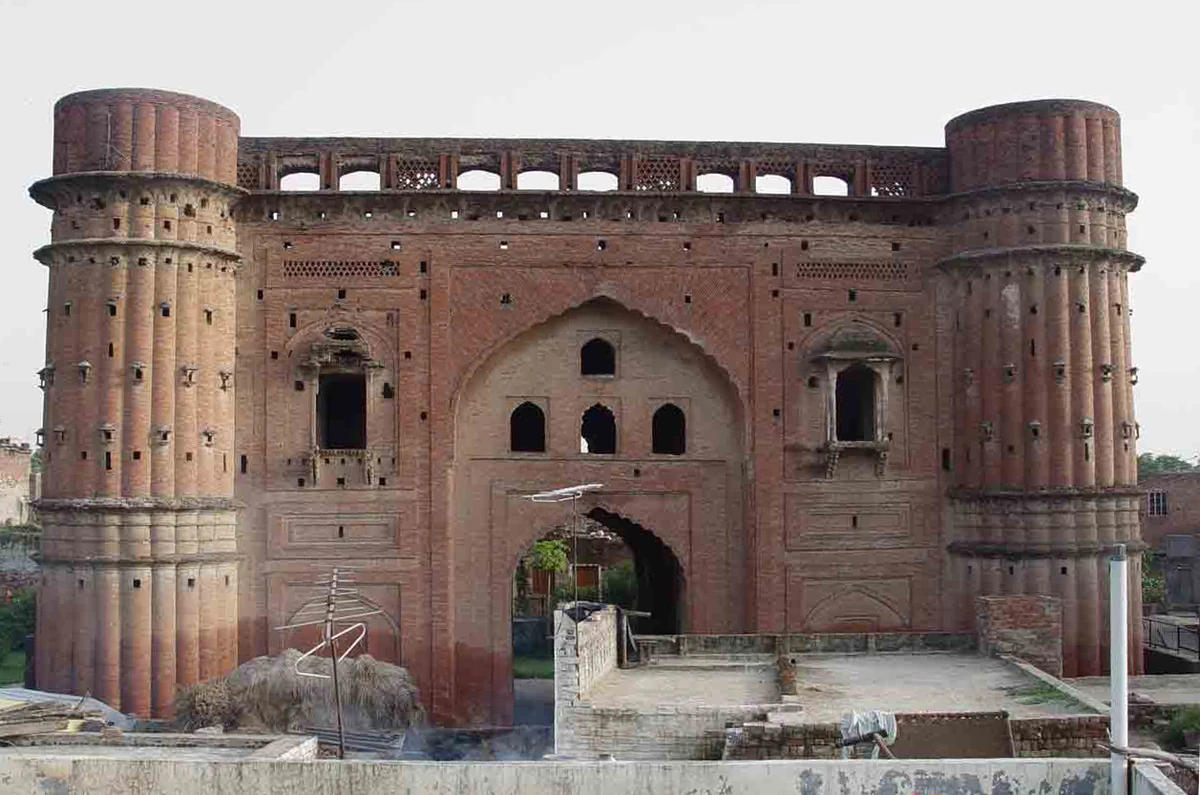
Image Source: Wikimedia
11.3 Surat, Hugli and the European companies
- Surat was called Babul Makka (Gate of Makka) during the Mughal period (UPSC Prelims 2001), because Hajj traffic and Red Sea trade passed through it.
- Permission to the British to establish their trading centre at Surat — the first English factory in India — was given by Jahangir (WBCS Mains 2020; WBCS Prelims Modern 2020, 2019, 2016 and 2011; UPSC Prelims 2009 and 2008; WBCS Mains Advent of Europeans 2020). See WBCS Mains Advent of Europeans PYQs and WBCS Prelims Modern Indian History PYQs.
- The first English factory in South India was at Masulipatnam (WBCS Prelims Modern 2001).
- When the East India Company was formed in 1600, the Mughal emperor in India was Akbar (WBCS Mains GK History 2021). The Company was an English corporate body first; its Indian factory belongs to Jahangir’s reign, not Akbar’s. The Portuguese had already been at the western ports and at Hugli; the Dutch and later the French planted factories of their own on the same coasts. The English house at Surat is the one the exams name first.
- Hugli was used as a base for piracy in the Bay of Bengal by the Portuguese (UPSC Prelims 1995). Shah Jahan ordered the campaign against them in 1631; Qasim Khan, the Mughal governor of Bengal, took Hugli in 1632. WBCS Mains 2015 (Mughal Empire and Advent of Europeans) gives the pairing 1631–Qasim Khan, the option that names Qasim Khan. See Mughal Empire for the campaign itself.
- Before the foundation of Calcutta, the biggest English settlement in Bengal was Hugli (PSC Miscellaneous 2024).
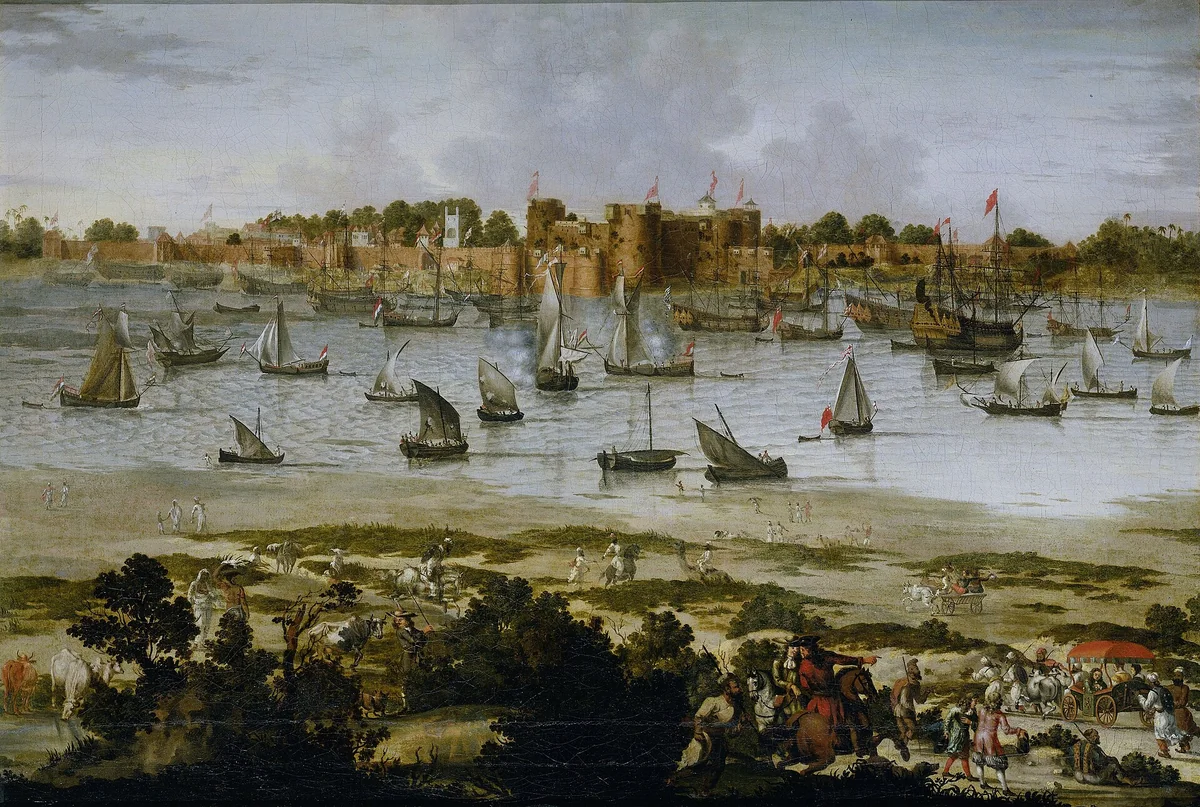
Image Source: Wikimedia
12. Nobility and Court Society
In simple words: The Mughal nobility was a mixed body, ranked by mansab, not a closed caste of one race. Its main groups were Turani (Central Asian), Irani (Persian), Afghan, Rajput and, later, Deccani (including Marathas). Persian was the official language. The court had its own rituals, including Jharokha Darshan, which Akbar introduced; the religious policy behind those rituals is in Mughal Empire and in Bhakti and Sufi Movements.
- The official language of the Mughal Empire was Persian (WBCS Prelims 2016). Revenue papers, farmans and the Ain-i-Akbari were written in it. Hindavi and other regional languages were spoken in the camp and the market, and Akbar is credited with the composition of many Hindi songs, a fact already noticed in the previous notes.
- Turani nobles came from the Timurid and Uzbek world of Central Asia; Iranis from Safavid Persia, many of them administrators and men of letters; Afghans from the older north-Indian and Sur military class; Rajputs, from the Amber alliance onwards, as mansabdars and governors; Deccanis, especially under Shah Jahan and Aurangzeb, as the empire absorbed Ahmadnagar, Bijapur and Golconda. No single group held a monopoly of the highest mansabs for the whole period. Akbar’s own court mixed Turani and Rajput names at the top of the list; under Jahangir and Shah Jahan the Irani share rose, in step with the Persian culture of the official language; under Aurangzeb the Deccan campaigns brought in a larger Deccani and Maratha element, which is one administrative cause of the later jagir shortage.
- Akbar’s greeting of Rajput rulers at court is the political counterpart of this social fact: the Kachchhawahas entered first, and Jahangir and Shah Jahan were half Rajput by their mothers. That story, and the later breach after Jaswant Singh, is in Mughal Empire.
- The royal ritual of Jharokha Darshan was introduced by Akbar (WBCS Mains 2017). Everyday court life also used the durbar, gifts of khilat and kash, and a careful seating by rank.
13. Peasants, Women, Slavery, Festivals and Education
In simple words: Most subjects of the empire were peasants. A khud-kashta cultivated his own village’s land; a pahi-kasht (or pahi) came from another village to take a holding. Women of the court lived in the zenana; ordinary women worked in the fields and in crafts. Slavery, festivals and a mixed education of maktab, madrasa and pathshala sat around this rural majority.
13.1 Peasants
- The khud-kashta was a resident cultivator, with a stronger claim to his holding and a heavier share of the village’s obligations. The pahi-kasht was a peasant who came from outside, more mobile than the resident cultivator, and could be offered land on easier first-year terms so that banjar could be broken.
- The muqaddam and the patwari dealt with both. Zamindars stood above them as hereditary claimants, not as jagirdars (§5.3). When the later jagirdari crisis pressed, it was this layer — khud-kashta, pahi and zamindar — that felt the demand first.
13.2 Women, slavery and the household
- Court women included wives, relatives and attendants of the zenana. Gulbadan Begum, the only woman historian of the Mughal period, belongs to the previous notes. A few royal women issued farmans and held jagirs; that was an exception, not the village rule. In the peasant household women worked at harvest, ginning and spinning, which is why the textile export of §10 rested on village labour as well as on urban looms. Muslim marriage law gave a wife a claim to mehr; Hindu family law, including the Dayabhaga and Mitakshara of the jurists named in §8.2, governed inheritance in those communities.
- Akbar is credited with prohibiting sati unless the widow herself, on her own free will, persistently desired it (WBCS Mains 2017 and 2016; WBCS Prelims Modern 2018). The later statutory ban of 1829 is a modern fact, not this chapter’s.
- Slaves and household servants were part of elite establishments. The Sultanate had even created a department of slaves under Firuz Tughlaq (UPSC Prelims 2002); the Mughal household used slaves and chelas without that same separate ministry. This is a social fact, not a second political narrative.
13.3 Festivals and education
- The court kept the Islamic calendar of Ids and also, under Akbar and his successors, celebrated Nauroz, the Persian new year. The famous Persian festival of Nauroz had been introduced at the Delhi court by Balban (WBCS Mains Delhi Sultanate 2015); the Mughals inherited and enlarged it. Hindu festivals were widely observed in the provinces and, in Akbar’s time, at the court as well.
- Education ran in three common tracks: the maktab and madrasa for Persian and the Islamic sciences; the pathshala for Sanskrit and vernacular learning; and household or karkhana training for clerks, artists and craftsmen. A competent munshi, trained in insha (drafting) and siyaq (accounts), was as necessary to the diwan’s office as a trooper was to the bakshi’s. The translation bureau at Akbar’s court — Faizi, Haji Ibrahim Sarhindi, Nizamuddin Panipati — is treated with the books in Mughal Empire.
14. The Ain-i-Akbari as a Source
In simple words: The Ain-i-Akbari is the administrative companion to the Akbarnama. Abul Fazl wrote both, in Persian. It records the subas, the ranks, prices, the working of zabt, the karkhanas and the court regulations. When a question asks who first divided the empire into provinces, what mansab means, or what share zabti took, the answer sits in that book and in Todar Mal’s settlement.
- The author of the Ain-i-Akbari was Abul Fazl (WBCS Prelims 2024; PSC Miscellaneous 2018). A Clerkship question asks the same, without a year. Akbarnama was also composed by Abul Fazl (WBCS Mains 2023; WBCS Prelims 2007; PSC Miscellaneous 2006), in Persian (WBP Constable 2025).
- The medieval Indian writer who refers to the discovery of America is Abul Fazl (UPSC Prelims 1997). See UPSC Prelims Medieval History: Administration, Culture and Marathas PYQs.
- Use the Ain as a handbook, not as the only voice. Badauni is a critical contemporary at the same court; Lahori is the official historian of Shah Jahan; European visitors such as Hawkins, Roe, Tavernier, Bernier and Manucci describe trade, cities and the jagirdari system from outside. The political pairings of those visitors are in Mughal Empire and Foreign Travellers in India.
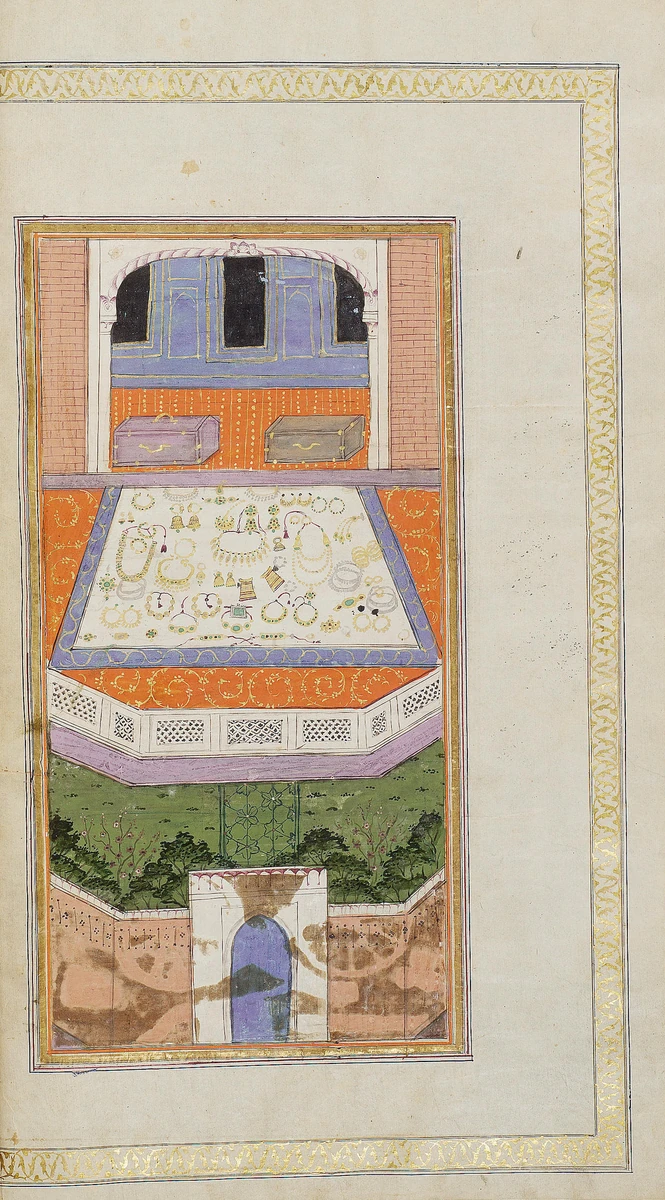
Image Source: Wikimedia
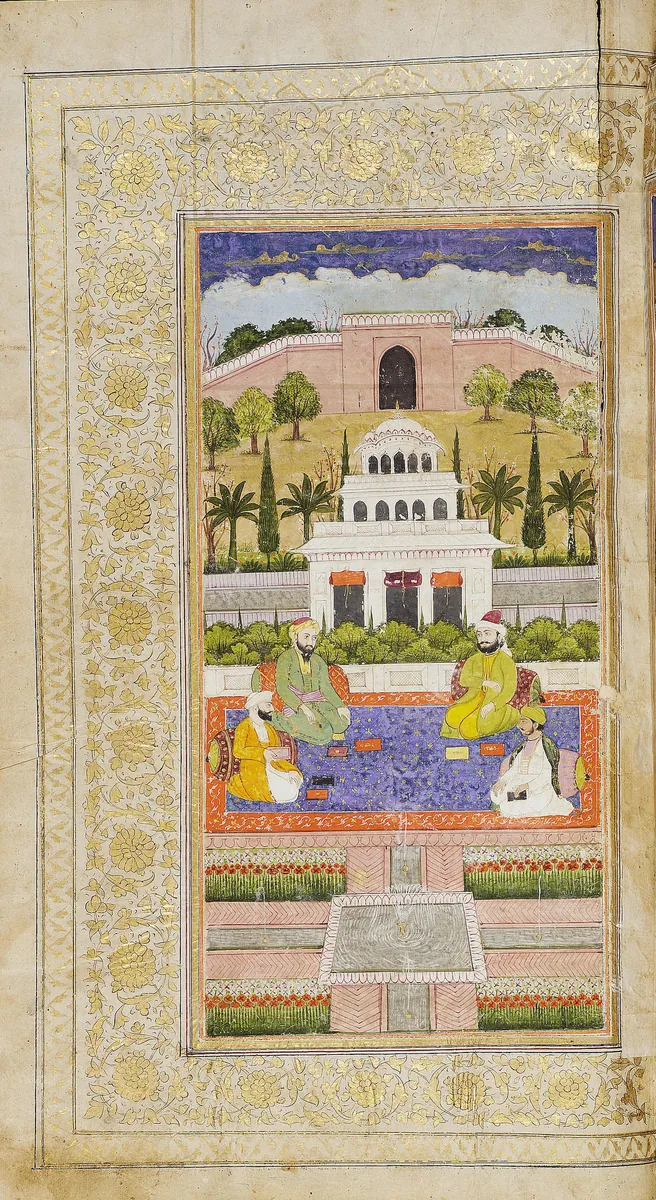
Image Source: Wikimedia
15. Do Not Confuse
In simple words: Marks are lost when a Sultanate term is given a Mughal date, or when a jagirdar is treated as a zamindar. Keep the pairs below in separate boxes.
15.1 Offices and ranks
- Mansab is a rank, not a piece of land. The land-revenue assignment is the jagir.
- The Mir Bakshi is a Mughal officer (Akbar’s reorganised centre), not a Khalji creation. The Sultanate revenue collector called Amil is a true statement about the Delhi Sultanate, not a reason to push the Mir Bakshi backwards.
- Wakil is not the same as Wazir / Diwan. The wakil was the deputy or viceroy; the diwan was finance.
- Faujdar is the sarkar’s law-and-order officer; Kotwal is the city officer; Amalguzar collects the sarkar’s revenue.
- Ahadis served the emperor singly. They were not the ordinary troopers of a mansabdar, and not men attached to Mirzas.
15.2 Land and revenue
- Jagir = iqta (Sultanate). Amaram is Vijayanagara; Mokasa is Maratha. Do not move those four terms across dynasties.
- Jagirdars were not generally hereditary; zamindars were. The only untransferable jagir is the Watan Jagir.
- Patta and kabuliyat are Sher Shah’s. Dahsala / Ain-i-Dahsala / bandobast is Akbar (Todar Mal). Zabti in the 2020 wording is one-third.
- Polaj is continuously cropped land; banjar is long-fallow land. Banjaras are traders, not a land class.
- Batai is a crop-share; kankut is an estimate; nasaq follows the previous demand; zabt is a measured cash demand.
- Madad-i-maash is a subsistence grant; a jagir pays a mansabdar’s salary and troopers. Taqavi is a loan; ijara is revenue farming.
15.3 Coins, ports and books
- The dam is Sher Shah’s copper coin; the rupiya is silver; the mohur is gold.
- Surat is Babul Makka, and the first English factory in India, under Jahangir. The Company itself was formed in 1600, while Akbar was still emperor. The first English factory in South India is Masulipatnam.
- Hugli: Portuguese piracy base; ordered 1631, taken 1632 by Qasim Khan; later the biggest English settlement in Bengal before Calcutta.
- The Ain-i-Akbari and the Akbarnama are Abul Fazl’s, in Persian. Persian is the official language of the empire.
16. Administration and Economy at a Glance
In simple words: If you can reproduce the hierarchy chart, the mansab–revenue table and the short glossary, you already have the spine of the chapter.
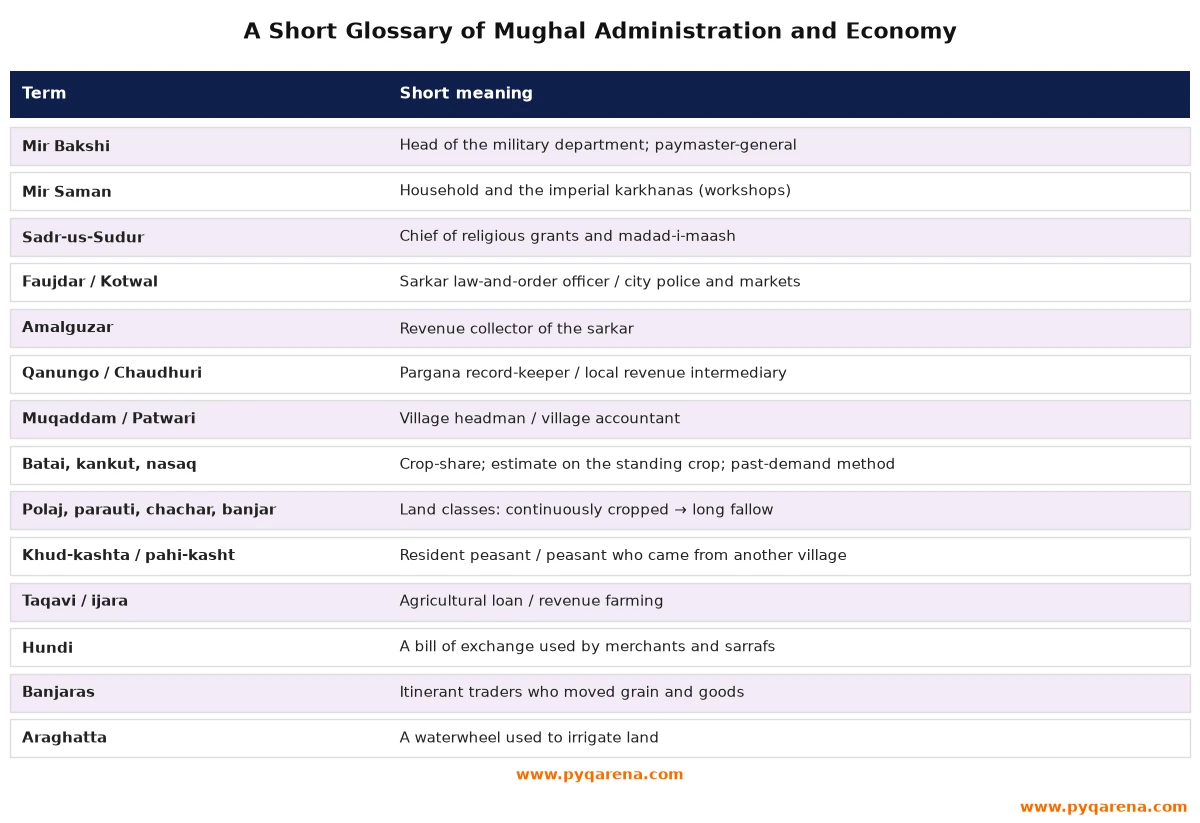
17. Quick Revision
In simple words: Short sentences, with the year of the question attached wherever the fact has been asked.
- Akbar reorganised the centre: the Diwan for finance, the Mir Bakshi as military head and paymaster-general (UPSC Prelims 1997; WBCS Mains 2015), the Mir Saman for the household and karkhanas, the Sadr-us-Sudur for grants, the Qazi and the Muhtasib for law and morals. The Wakil was an early deputy; the title later became honorific.
- He was the first Mughal to divide the empire into provinces: 15 and 21 under Akbar and Aurangzeb (WBCS Mains 2017). Ascending order: Paragana—Sarkar—Suba (UPSC Prelims 2021). The suba had a subadar and a separate diwan; the sarkar had a faujdar and an amalguzar; the city had a kotwal; the pargana had a qanungo and a chaudhuri; the village had a muqaddam and a patwari. Mahattara and Pattakila were earlier designations for village headmen (UPSC Prelims 2014).
- In the Sultanate, the Amil was in charge of revenue collection; the iqta was not an ancient indigenous institution; the Mir Bakshi was not a Khalji office (UPSC Prelims 2019, 1 only). Iltutmish introduced the iqta; iqtadars were muqtis; fawazil was the excess paid in by iqtadars.
- Mansab means rank (WBCS Prelims 2003 and 2021). Akbar introduced mansabdari, borrowed from Mongolia (WBPSC IDO 2007), to organise the nobility as well as his army (PSC Miscellaneous 2024) and mainly for recruitment to the army (UPSC Prelims 1996). Zat is personal rank; sawar is the horse contingent. Dagh and chehra checked horses and men. Ten cavalry meant twenty horses (UPSC Prelims 1999). Duh-aspah sih-aspah is Jahangir’s (WBCS Prelims 2016). Ahadis served the emperor singly (UPSC Prelims 1998, I–II–III). Artillerymen were not in mansabdar contingents (WBCS Mains 2019).
- A jagir paid salary; it equals the iqta. Iqta — Delhi Sultans; Jagir — Mughals; Amaram — Vijayanagara; Mokasa — Marathas (UPSC Prelims 2000). The only untransferable jagir is the Watan Jagir (WBCS Mains 2016 and 2015). Jagirdar and zamindar: neither exam statement is correct (UPSC Prelims 2019). Feudal essentials are land-based administration and a lord–vassal bond, not a very strong centre with very weak provinces (UPSC Prelims 2015, 2 and 3 only). The later jagirdari crisis was a shortage of paying jagirs.
- Patta and kabuliyat are Sher Shah’s (WBCS Mains 2023; WBCS Prelims 2020 and 2024). Todar Mal was Akbar’s revenue expert and carried Sher Shah’s measurement into zabt / dahsala / bandobast / Ain-i-Dahsala (several WBCS years; Prelims 2021 for Ain-i-Dahsala). Zabti = one-third of total yield (WBCS Prelims 2020). Batai, kankut and nasaq are the other methods. Land classes: polaj, parauti, chachar, banjar. Madad-i-maash is a subsistence grant; taqavi is a loan; ijara is farming of the revenue.
- The dam is Sher Shah’s copper coin (WBCS Prelims 2013); the rupiya is silver; the mohur is gold. Famous medieval jurists in the 1995 list: Vijnanesvara, Hemadri, Jimutavahana, not Rajasekhara.
- Tobacco and maize came in the Mughal period, tobacco under Akbar (WBCS Mains 2020 and 2017–2015). Fruits were imported from Kabul (WBCS Mains 2020). The araghatta is a waterwheel used in irrigation (UPSC Prelims 2016).
- Textiles were the great craft; karkhanas under the Mir Saman served the court. Banjaras were traders (UPSC Prelims 2016). A hundi is a bill of exchange (UPSC Prelims 2020).
- Surat is Babul Makka (UPSC Prelims 2001) and the first English factory in India, by permission of Jahangir. The Company was formed in 1600 under Akbar. The first English factory in South India was at Masulipatnam. The Portuguese used Hugli for piracy; the campaign was ordered in 1631 and Qasim Khan took the port in 1632; it later became the biggest English settlement in Bengal before Calcutta (PSC Miscellaneous 2024).
- The nobility mixed Turani, Irani, Afghan, Rajput and Deccani groups. The official language was Persian (WBCS Prelims 2016). Peasants were khud-kashta or pahi-kasht. Jharokha Darshan is Akbar’s. Abul Fazl wrote the Ain-i-Akbari and the Akbarnama and mentioned America (UPSC Prelims 1997).
Related Notes
- Mughal Empire
- Delhi Sultanate
- Provincial Kingdoms of the Sultanate Period
- Medieval Bengal
- Vijayanagara Empire
- Bahmani Empire and Deccan Sultanates
- Bhakti and Sufi Movements
- Foreign Travellers in India
Practice
- UPSC Prelims Medieval History: Administration, Culture and Marathas PYQs
- UPSC Prelims Medieval History: Mughal Empire PYQs
- UPSC Prelims Medieval History: Delhi Sultanate PYQs
- WBCS Mains Mughal Empire PYQs
- WBCS Prelims Medieval Indian History PYQs
- WBCS Mains Delhi Sultanate PYQs
- WBCS Mains Advent of Europeans PYQs
- PSC Miscellaneous Prelims History PYQs
- WBCS Prelims Modern Indian History PYQs
- WBCS Mains General Knowledge History PYQs
Leave a Comment