

Who is this for? Beginners and aspirants for WBCS, UPSC Prelims, other State PSCs, WBP and Clerkship exams. This is Chapter 10 of Medieval Indian History. It covers the rise of the Marathas, Shivaji, the Ashtapradhan, the successors from Sambhaji to Shahu, the Peshwas, the Maratha confederacy, the Bargi raids in Bengal, and the Third Battle of Panipat (1761). A short look forward covers Madhav Rao, Mahadji Scindia, Nana Phadnavis and the Anglo-Maratha wars, which belong in full to Modern History. The Mughal political frame is in the previous notes, Mughal Empire. Mughal offices, mansab and revenue are in Mughal Administration, Economy and Society. Later Mughals and other regional states have Chapter 11. Every exam question that belongs to this Maratha story is answered below. 🔗 Practise alongside: UPSC Prelims Medieval History: Administration, Culture and Marathas PYQs | WBCS Prelims Medieval Indian History PYQs | WBCS Mains Mughal Empire PYQs | WBCS Mains Religious Movements PYQs | WBCS Mains Advent of Europeans PYQs | UPSC Prelims Modern History: European Expansion PYQs | WBCS Prelims Modern Indian History PYQs 📖 Read first: Mughal Empire | Mughal Administration, Economy and Society | Medieval Bengal | Bahmani Empire and Deccan Sultanates | Bhakti and Sufi Movements | Vijayanagara Empire | Delhi Sultanate
1. The Big Picture
In simple words: In the seventeenth century a new power rose in the Western Ghats. Shivaji carved a kingdom of hill forts out of the lands of Bijapur and the Mughal Empire, crowned himself Chhatrapati at Raigad in 1674, and ran the state through a council of eight ministers, the Ashtapradhan. After his death in 1680, Sambhaji, Rajaram and Tarabai kept the fight alive against Aurangzeb. In the eighteenth century the Peshwas of Pune turned that kingdom into a confederacy that reached Delhi, Bengal and the Karnataka, until Ahmad Shah Abdali broke the army at Panipat in 1761.
The Marathas were the strongest native power in India after the decline of the Mughal empire. UPSC Prelims 2003 treats that assertion as true, and treats as false the claim that they were the first to have a clear concept of a united Indian nation. Their northward drive, the chauth and sardeshmukhi they collected, and the later clash with the English, sit at the join of Medieval and Modern History. This chapter carries the medieval story to Panipat and then points, in brief, to the Anglo-Maratha wars.
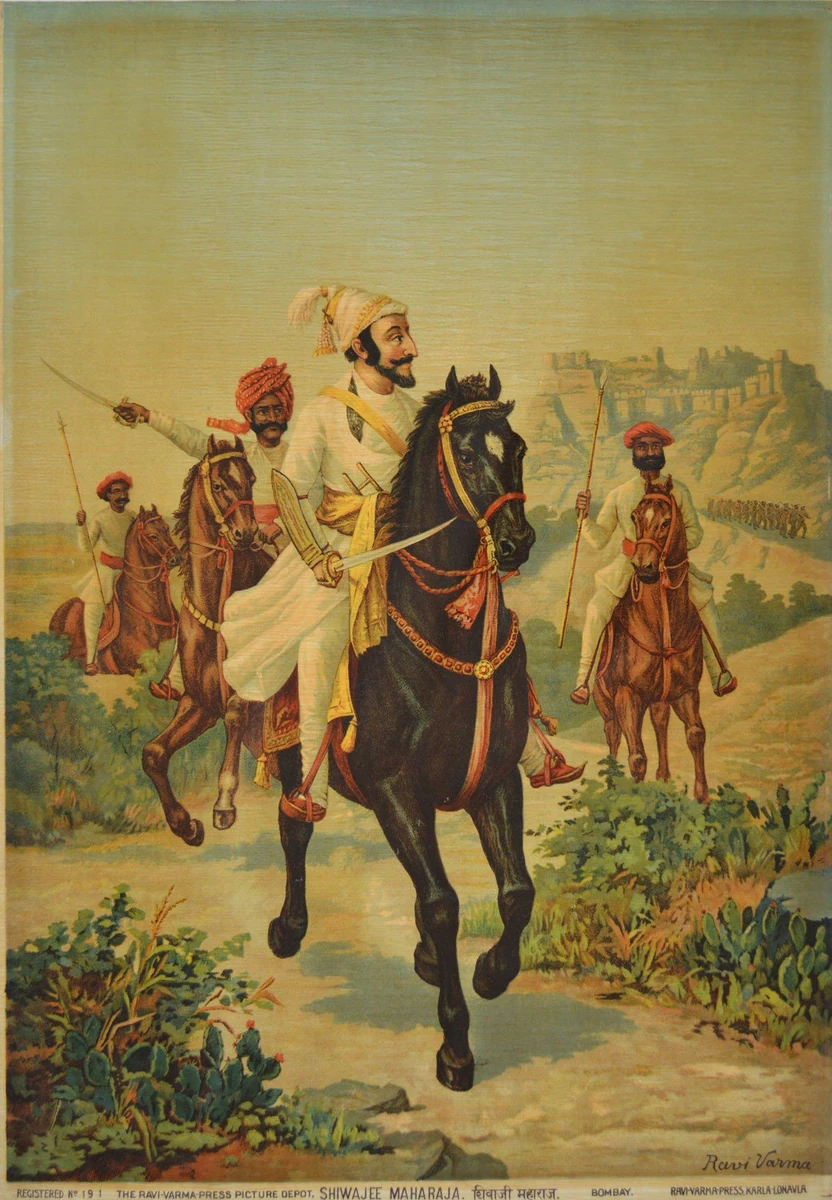
Image Source: Wikimedia
1.1 Why this chapter matters for exams
- UPSC Prelims returns to the Ashtapradhan (the Sumant looked after foreign affairs), the pairing Mokasa—Marathas, the Modi script, Balaji Viswanath as the man who streamlined administration after Sambhaji, the seats of the confederacy, the immediate reason for Abdali’s invasion, and the assertion-reason question on Maratha power. See UPSC Prelims Medieval History: Administration, Culture and Marathas PYQs and UPSC Prelims Modern History: European Expansion PYQs.
- WBCS asks Shivaji’s coronation in 1674, the title Haindava-Dharmoddharak, the succession of Sambhaji, Purandar (1665) between Sivaji and Jay Singh, Mukarrab Khan against Sambhaji, the hereditary Peshwa under Shahu, the title Sena Karte, Baji Rao I’s Hindu-pad-padshahi, Nana Phadnavis, and Panipat 1761. See WBCS Prelims Medieval Indian History PYQs, WBCS Mains Mughal Empire PYQs and WBCS Mains Religious Movements PYQs.
- Modern History papers keep asking Panipat 1761, the Peshwa at that battle (Balaji Baji Rao / Nanasaheb), the Treaty of Bassein (1802), the First Anglo-Maratha War under Warren Hastings, Satara in 1848, and the arrangements after the Third Anglo-Maratha War. Those items are taught here in short and practised on WBCS Mains Advent of Europeans PYQs and WBCS Prelims Modern Indian History PYQs.
1.2 The arc in one page
Start in the Sahyadri. Shahji Bhonsle held a jagir around Pune while serving the Deccan sultanates. His son Shivaji took Torna, met Afzal Khan at Pratapgad, drove Shaista Khan from Pune, and raided Surat in 1664 and 1670. The Treaty of Purandar (1665) with Jai Singh cut him down; the escape from Agra (1666) restored him; the coronation of 1674 and a Karnataka expedition completed the founding. Sambhaji was captured by Mukarrab Khan. Rajaram held out at Jinji. Tarabai fought on. Shahu, released in 1707, won at Khed and made the Peshwa hereditary.
Balaji Vishwanath brought the 1719 Mughal farmans. Baji Rao I struck north. Balaji Baji Rao (Nanasaheb) headed the confederacy when Bhaskar Pandit raided Bengal and when the army fell at Panipat. Recovery under Madhav Rao I, the diplomacy of Nana Phadnavis and Mahadji Scindia, and then the three Anglo-Maratha wars, close the story in Modern History.
2. Geography, the Bhakti Background and Shahji
In simple words: The Maratha homeland is a hill country. The Sahyadri (Western Ghats) divide the wet Konkan coast from the dry plateau of the Desh. The crests are crowded with forts. A long Bhakti movement in Marathi, from Jnaneshwar to Tukaram and Ramdas, had already given this society a shared religious language. Shahji Bhonsle, Shivaji’s father, was a soldier of the Deccan sultanates who held the jagir of Pune. That geography, that devotion, and that jagir are the three roots of the Maratha state.
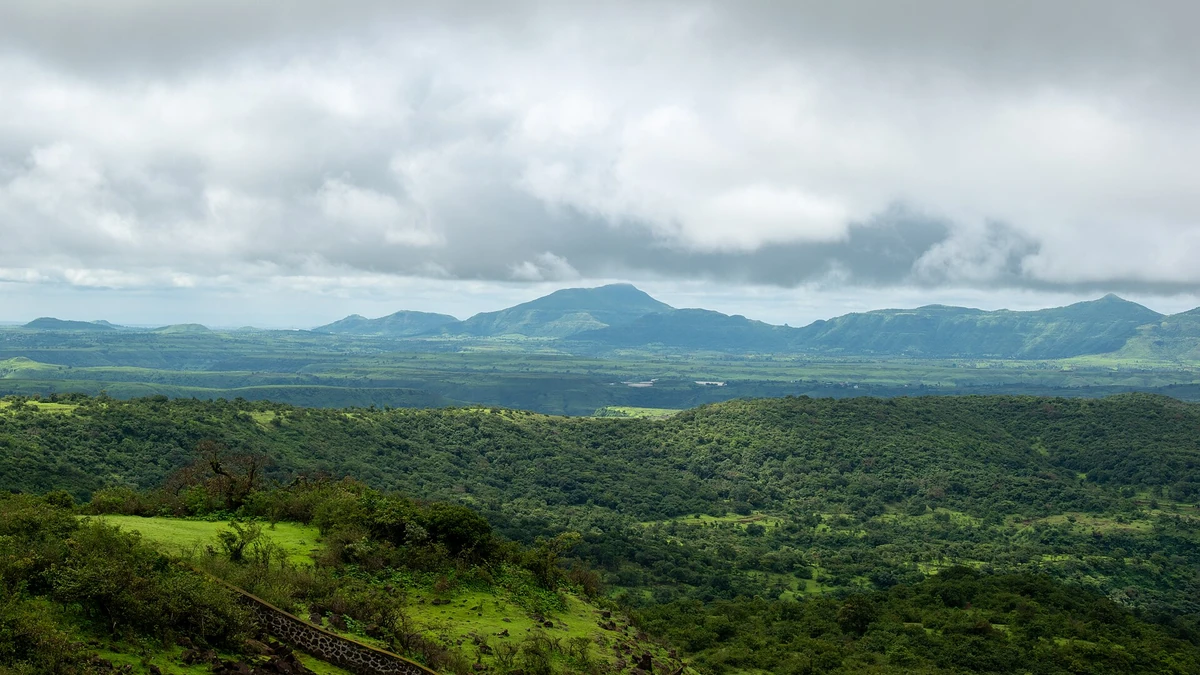
Image Source: Wikimedia
2.1 The land of forts
The Konkan is a narrow coastal strip, open to the Arabian Sea and to ports such as Kalyan, Bhiwandi and later the Maratha navy’s bases at Colaba and Vijaydurg. East of the Ghats, the Desh is a rain-shadow plateau of black soil and river valleys — the Bhima, the Godavari, the Krishna. Between the two, the Maval valleys and the high forts (Torna, Rajgad, Pratapgad, Purandar, Raigad, Sinhagad) were the real capital of Shivaji’s kingdom. A ruler who held the crests could raid the plateau, drop to the coast, and refuse a pitched battle with a heavier Mughal or Bijapuri army.
This was not empty country. Deshmukhs and desais already collected dues and kept armed followings. Shivaji’s later sardeshmukhi claimed a hereditary overlord’s tenth on top of ordinary land revenue. The same hill line had earlier been the western edge of the Bahmani Empire and the Deccan Sultanates — Ahmadnagar, Bijapur and Golconda — whose wars with the Mughals opened the space in which the Marathas rose. Aurangzeb’s long Deccan war, called the “Deccan ulcer” by Jadunath Sarkar in a pairing already taught in Mughal Empire, was fought across these same ranges.
2.2 The Bhakti background
Maharashtra had a Varkari Bhakti already two centuries old when Shivaji was born. Jnaneshwar had written the Jnaneshwari on the Gita in Marathi. Namdev, Eknath and Tukaram sang to Vithoba of Pandharpur. Samarth Ramdas, author of the Dasbodh, was a contemporary of Shivaji and is remembered as a spiritual guide of the new state. The movement did not invent a kingdom, but it had already made Marathi a language of devotion and public speech, and it had already gathered pilgrims along the same routes that Maratha armies later used. The saints, the abhangs and the Pandharpur pilgrimage are treated in full in Bhakti and Sufi Movements.
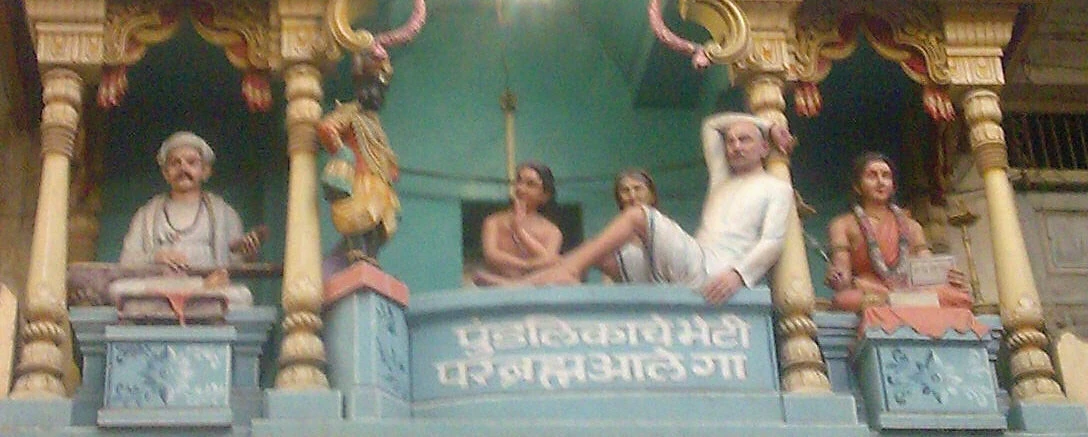
Image Source: Wikimedia
Shivaji later took the title Haindava-Dharmoddharak, “Protector of the Hindu faith” (WBCS Prelims Medieval Indian History, 2018). The coronation rites of 1674, performed by Gaga Bhatt, placed that claim in a Vedic idiom. The political programme of a Hindu empire, however, is a later Peshwa slogan: Baji Rao I is the leader whom the exams name as the man who put forward the ideal of founding a Hindu Empire, or Hindu-pad-padshahi.
2.3 Shahji Bhonsle
Shahji (also Shahaji) Bhonsle was a Maratha chief who served first the Nizam Shahis of Ahmadnagar and then the Adil Shahis of Bijapur, in the decades when the Mughal Empire was swallowing the northern Deccan. He received jagirs that included the Pune-Supe tract and, later, a command in the Karnataka around Bangalore. He spent much of his later career in the south. The Pune jagir, managed in his absence, was the base on which his son Shivaji and Shivaji’s mother Jijabai built the first circle of forts.
Shahji’s career explains two exam-ready facts. First, the early Maratha state was not a revolt against a vacuum; it grew inside the jagirdari world of the Deccan sultanates and then turned against both Bijapur and the Mughals. Second, the later Karnataka expedition of Shivaji, and Rajaram’s flight to Jinji, followed a path Shahji had already travelled in the south. The Adil Shahi and Nizam Shahi background belongs with Bahmani Empire and Deccan Sultanates.
3. Shivaji’s Rise: Torna, Afzal Khan, Shaista Khan and Surat
In simple words: Shivaji began with one hill fort and ended, before Purandar, as a ruler who had humbled a Bijapuri general, expelled a Mughal governor from Pune, and twice looted the richest port of the Mughal west. The names the exams need are Torna, Afzal Khan, Shaista Khan, and the Surat raids of 1664 and 1670.
3.1 Birth and the first forts
Shivaji was born in 1630 at Shivneri fort, near Junnar, to Shahji and Jijabai. He grew up in the Pune jagir, in the Maval country of the Ghats. In 1646 he seized Torna (Prachandgad), his first major fort. Rajgad, Kondana (later Sinhagad) and a ring of neighbouring strongholds followed. The method was consistent: win a fort by surprise or by buying its killadar, settle Mavali infantry on the hillside, and use the fort as a base for the next climb. Bijapur, still the formal overlord of the jagir, noticed late.
3.2 Afzal Khan at Pratapgad, 1659
Bijapur sent Afzal Khan to crush the new power. The two men met in 1659 below Pratapgad. In that meeting Afzal Khan was killed, the Bijapuri army broke, and Shivaji’s hold on the Ghats was confirmed. The clash is the first great set-piece of the Maratha story and the reason Pratapgad sits in every narrative of Shivaji’s rise. It was a blow to the Adil Shahi state already treated in Bahmani Empire and Deccan Sultanates.
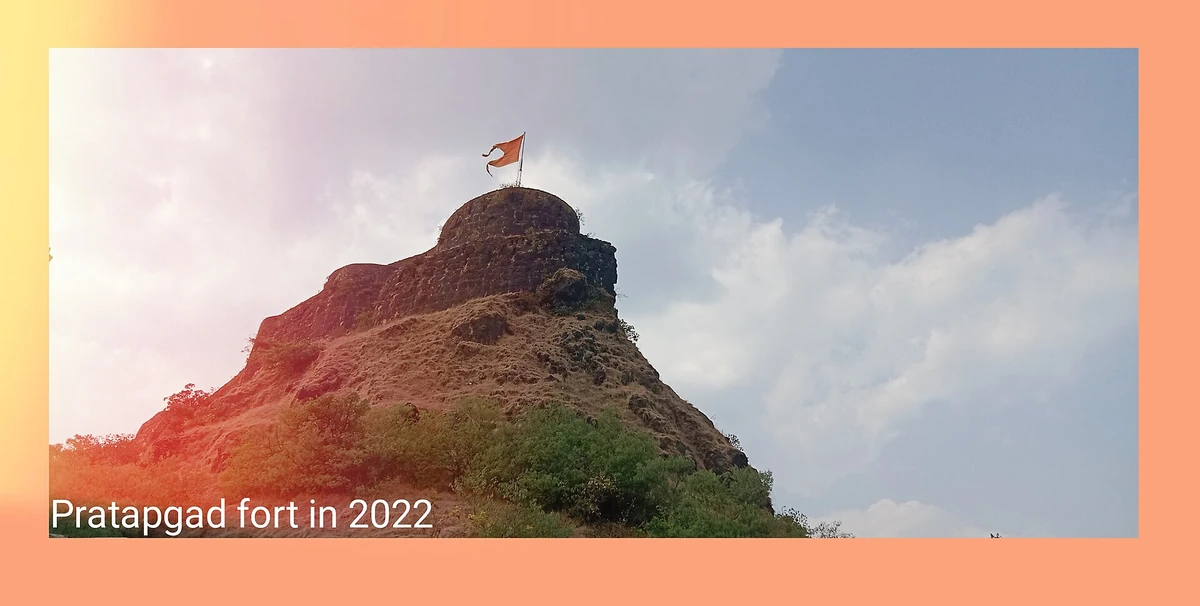
Image Source: Wikimedia
3.3 Shaista Khan, 1660–1663
The Mughal response came from the north. Aurangzeb, now emperor, sent his maternal uncle Shaista Khan as governor of the Deccan. Shaista Khan occupied Pune and pressed the Maratha country from 1660. In a night attack on the governor’s camp in Pune in 1663, Shivaji wounded Shaista Khan (the governor lost fingers) and forced his withdrawal. Shaista Khan was transferred to Bengal. The Pune raid did not end the Mughal war, but it showed that a Mughal governor was not safe inside a Maratha jagir.
3.4 The Surat raids, 1664 and 1670
Surat was the chief Mughal port of the west, the door for the pilgrimage to Mecca and for the silver that paid the empire. Shivaji raided it in 1664 and again in 1670. The first raid shocked the court of Aurangzeb; the second showed that Purandar and the Agra visit, which come in between, had not closed the Konkan to Maratha arms. Surat’s place in Mughal trade is treated in Mughal Administration, Economy and Society; the political insult belongs here.
These four strokes — Torna, Afzal Khan, Shaista Khan, Surat — are the rise. The next chapter of Shivaji’s life is a check, a recovery, and a coronation.
4. Purandar, the Agra Escape, the Coronation and the Karnataka
In simple words: In 1665 Jai Singh of Amber forced Shivaji into the Treaty of Purandar. In 1666 Shivaji went to Agra, was confined, and escaped. In 1674 he was crowned Chhatrapati at Raigad, with Gaga Bhatt performing the rites. A Karnataka expedition then carried Maratha power to Jinji and Vellore. Shivaji died in 1680.
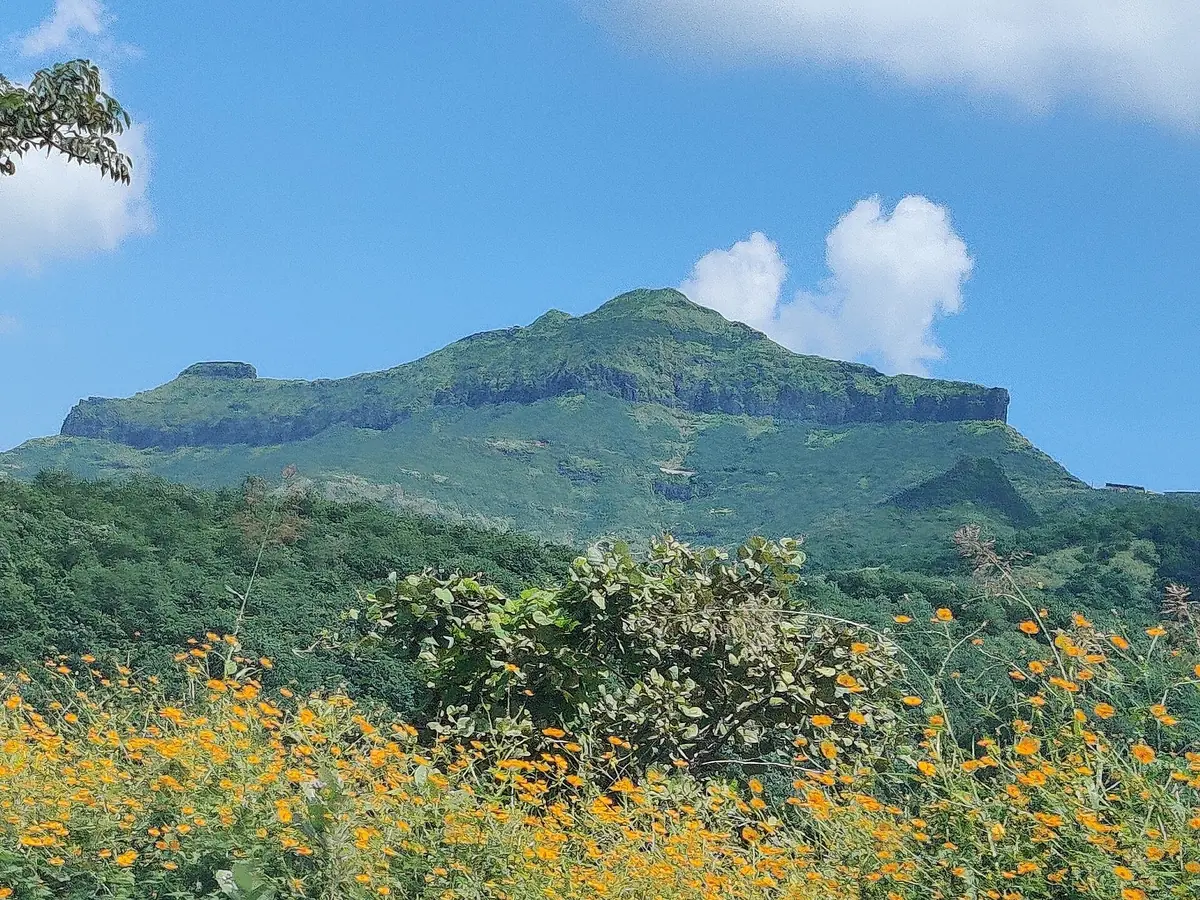
Image Source: Wikimedia
4.1 The Treaty of Purandar, 1665
Aurangzeb sent Mirza Raja Jai Singh of Amber (Jay Singh) to the Deccan. Jai Singh was a Rajput general of the Mughal mansabdari order described in Mughal Administration, Economy and Society, and he campaigned with a method Shivaji had not yet faced: a tight siege, a ring of posts, and a political offer. In June 1665 Shivaji signed the Treaty of Purandar. He surrendered a large number of his forts (the usual textbook count is 23 of 35), retained a core around Raigad, agreed to help the Mughals against Bijapur, and sent his son Sambhaji to the Mughal camp as a mansabdar. WBCS Mains 2023 keys the treaty as concluded between Sivaji and Jay Singh. Practise that pairing on WBCS Mains Mughal Empire PYQs.
Purandar 1665 must never be confused with the later Treaty of Purandhar (1776) between the English and a faction of the Peshwa court, which is a wrong option in the Bassein question of WBCS Mains 2020. The 1665 treaty is Shivaji and Jai Singh; the 1776 treaty belongs to the First Anglo-Maratha War.
4.2 The Agra escape, 1666
In 1666 Shivaji went to Aurangzeb’s court at Agra (the court was then in the north, in the years after the transfer from the Deccan described in Mughal Empire). He was not given the honour he expected, was placed under confinement, and escaped, returning to the Deccan. The escape undid the political intent of Purandar. By the late 1660s Shivaji was again taking forts, and in 1670 he raided Surat a second time.
4.3 Coronation at Raigad, 1674
On 6 June 1674 Shivaji was crowned at Raigad. The Vedic ceremony was conducted by Gaga Bhatt (Vishweshwar Bhatt of Varanasi). Shivaji took the title Chhatrapati and, among other styles, Haindava-Dharmoddharak, “Protector of the Hindu faith” (WBCS Prelims Medieval Indian History, 2018). WBCS Prelims 2010 keys the coronation to 1674 AD. Raigad, already the seat of government, became the ceremonial capital of a declared kingdom.
The coronation had a practical point. A crowned Kshatriya king could treat on more equal terms with Bijapur, Golconda and the Mughal court, and could confer honours on his own chiefs. The Ashtapradhan, already in use, now served a Chhatrapati rather than a successful jagirdar.
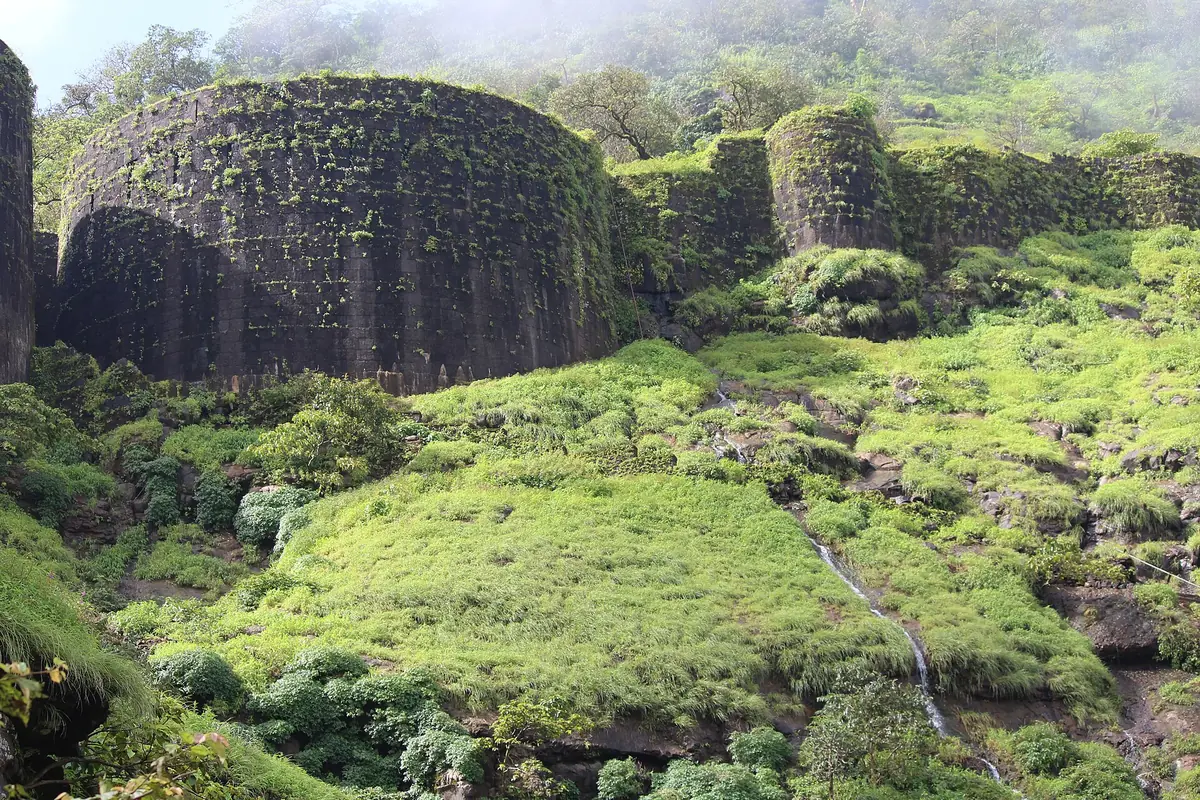
Image Source: Wikimedia
4.4 The Karnataka expedition and the death of Shivaji
In 1677–78 Shivaji marched south, in alliance with Golconda (under Abul Hasan Qutb Shah, in the years of the ministers Madanna and Akkanna). He took Jinji (Gingee) and Vellore and carved a Maratha presence in the Tamil country. That southern base later saved the dynasty: when Aurangzeb overran Maharashtra after Sambhaji’s death, Rajaram made Jinji his court.
Shivaji died at Raigad in 1680. That year is the date to remember. UPSC Prelims 1998, in a list that pairs 1556 with Akbar’s accession, 1600 with the English Company’s charter, and 1739 with Nadir Shah’s capture of Delhi, pairs 1686 with the death of Shivaji. Shivaji died in 1680. 1686 is the year Bijapur fell to Aurangzeb. Keep the two years apart; the paper’s pairing is recorded in the Do Not Confuse list below and in Mughal Empire. Practise the date-list on UPSC Prelims Medieval History: Mughal Empire PYQs.
5. Shivaji’s Administration
In simple words: Shivaji ran the kingdom through a council of eight ministers, the Ashtapradhan. The minister for foreign affairs was the Sumant. Land dues at home were assessed on the field; from neighbouring territories the state claimed chauth (one-fourth) and sardeshmukhi (a further tenth). Forts, a light army, a small navy, and a gold coin, the Hon, completed the machine. Mokasa is the Maratha revenue assignment, and the Modi script is the hand in which Maratha documents were written.
5.1 The Ashtapradhan
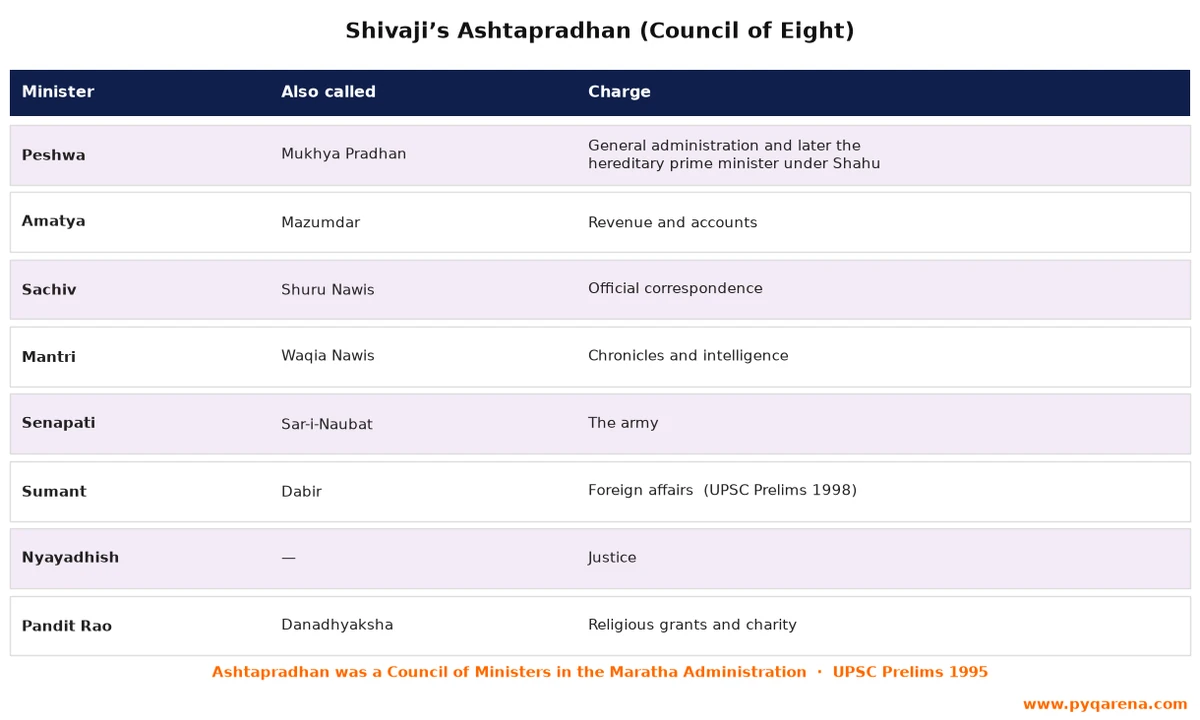
UPSC Prelims 1995 keys Ashtapradhan as a Council of Ministers in the Maratha Administration. The eight seats and their charges are:
- Peshwa (Mukhya Pradhan): general administration. Under Shahu this office became powerful and hereditary, and the Peshwa at Pune became the real head of the confederacy.
- Amatya (Mazumdar): revenue and accounts.
- Sachiv (Shuru Nawis): official correspondence.
- Mantri (Waqia Nawis): chronicles and intelligence.
- Senapati (Sar-i-Naubat): the army.
- Sumant (Dabir): foreign affairs. UPSC Prelims 1998 asks this seat and keys Sumant, not the Peshwa, the Sachiv or the Pandit Rao. Practise it on UPSC Prelims Medieval History: Administration, Culture and Marathas PYQs.
- Nyayadhish: justice.
- Pandit Rao (Danadhyaksha): religious grants and charity.
The council advised the Chhatrapati; it did not replace him. In Shivaji’s lifetime the Peshwa was one minister among eight. The later supremacy of the Peshwa is a fact of the eighteenth century, not of 1674.
5.2 Chauth and sardeshmukhi
Chauth was one-fourth of the land revenue of a territory, demanded as the price of not raiding it or as the cost of protection. Sardeshmukhi was an additional 10 per cent, claimed as the due of the hereditary sardeshmukh, the head deshmukh of a region. Together they gave the Maratha state a regular claim on lands it did not always administer directly. The 1719 Mughal farmans obtained by Balaji Vishwanath later recognised chauth and sardeshmukhi over the six Deccan subas, which is why those two words travel from Shivaji’s reign into the Peshwa period.
These dues are not the same as a Mughal jagir or a Vijayanagara amaram. They are a tribute levied on someone else’s revenue, not a salary assignment of one’s own villages. The peasant in a chauth-paying district still owed his first share to his own ruler; the Maratha demand sat on top.
5.3 Revenue, mokasa and the Modi script
Inside the swaraj, land was measured and the demand was set as a share of produce, with room for cash commutation, in a local bandobast rather than a copy of Todar Mal’s zabt. Village headmen and deshmukhs remained the first collectors. A grant of revenue to a chief or official was mokasa. UPSC Prelims 2000 asks a four-way match and keys Iqta—Delhi Sultans, Jagir—Mughals, Amaram—Vijayanagara, Mokasa—Marathas. That pairing is also the reason to reread Delhi Sultanate, Mughal Administration, Economy and Society and Vijayanagara Empire. Practise the match on UPSC Prelims Medieval History: Administration, Culture and Marathas PYQs.
The Modi script, a cursive hand for Marathi, was used in the documents of the Marathas (UPSC Prelims 1995, same paper as the Ashtapradhan question). Official papers, accounts and letters of the Peshwa daftar are in Modi. Do not confuse it with the Mughal court’s Persian, the official language of the empire in Mughal Administration, Economy and Society.
5.4 Forts, army, navy and the Hon
The backbone of the state was the fort. Each major hill fort had a killedar, stores, and a garrison that could hold out while the mobile army moved. Shivaji preferred light bargir and siledar horse and Mavali infantry to a heavy trained mass in the Mughal style. Bargirs were paid and mounted by the state; siledars brought their own horses. The army was paid, as far as the treasury allowed, in cash rather than by handing out large jagirs that could grow into independent fiefs.
Shivaji also built a navy on the Konkan, with bases at Colaba, Suvarnadurg and Vijaydurg (Gheria). The fleet watched the Siddis of Janjira, the Portuguese at Goa and the English at Bombay, and protected the coastal trade that Surat had shown to be worth raiding. The later Angria (Angre) captains grew out of this service.
The gold coin of the Marathas was the Hon (or hon), a type already familiar in the Deccan and in Vijayanagara. Silver and copper pieces circulated beside it. The Hon is the coin-name to remember for this chapter; the Mughal rupiya, dam and muhr stay in Mughal Administration, Economy and Society.
6. Successors: Sambhaji, Rajaram and Tarabai
In simple words: Shivaji was succeeded by Sambhaji (Shambhuji). Aurangzeb sent Mukarrab Khan against him; Sambhaji was captured and executed in 1689. Rajaram took the court to Jinji (Gingee) and kept the war alive. After Rajaram’s death, his widow Tarabai led the resistance until Shahu returned in 1707.
6.1 Sambhaji, 1680–1689
WBCS Prelims 2006 keys the successor of Shivaji as Shambhuji (Sambhaji). Sambhaji inherited a kingdom already at war with the Mughals and with the remnant of Bijapur and Golconda. Aurangzeb himself moved to the Deccan in the 1680s, annexed Bijapur in 1686 and Golconda in 1687, and then turned on the Marathas. WBCS Mains 2020 keys the officer Aurangzeb sent against Sambhaji as Mukarrab Khan. Sambhaji was seized at Sangameshwar, taken to the emperor’s camp, and put to death in 1689. Practise the Mukarrab Khan pairing on WBCS Mains Religious Movements PYQs.
The execution did not end the state. It opened a harder, more scattered war, which is the second half of Aurangzeb’s “Deccan ulcer” already framed in Mughal Empire.
6.2 Rajaram and Jinji
Rajaram, a younger son of Shivaji, was placed on the throne after Sambhaji. With Maharashtra under Mughal pressure he left for the south and set up his court at Jinji (Gingee) in the Tamil country, the fort Shivaji had taken on the Karnataka expedition. A long Mughal siege followed, under Zulfiqar Khan among other commanders. Rajaram slipped back to Maharashtra and died in 1700. Jinji’s role is the reason a Tamil fort belongs in a Maratha chapter.
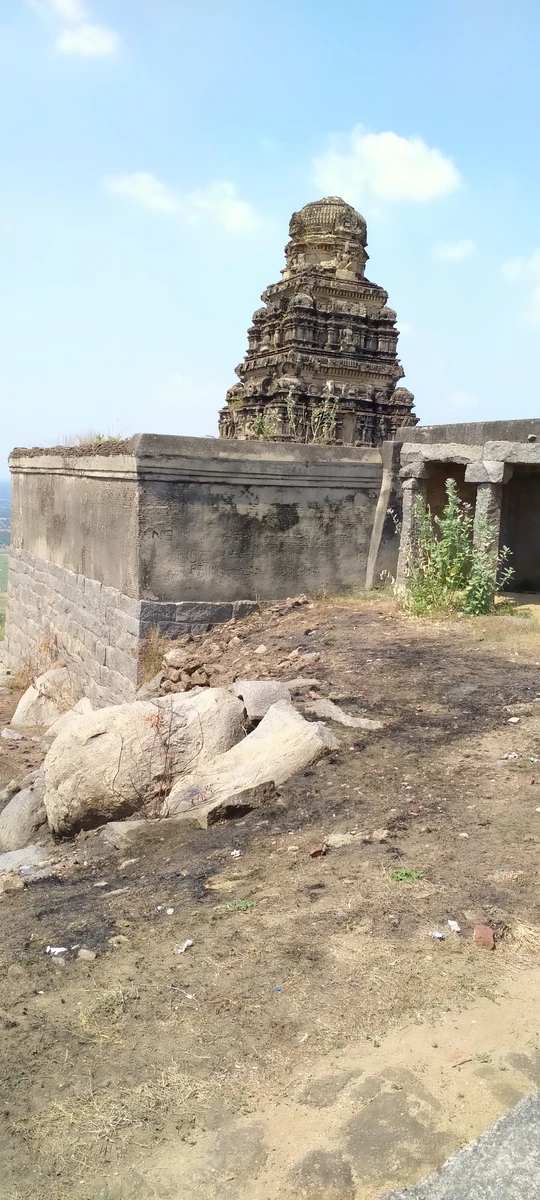
Image Source: Wikimedia
6.3 Tarabai
Tarabai, Rajaram’s widow, then took charge in the name of her young son Shivaji II. She organised the continuing raids against Mughal detachments and kept a Maratha court in the field through the last years of Aurangzeb (died 1707). Her later conflict with Shahu, and the Kolhapur line that descended from her, belong to the next section. For the exams, remember the sequence after Shivaji: Sambhaji, then Rajaram (at Jinji), then Tarabai, then Shahu. UPSC Prelims 2000, which keys Balaji Viswanath as the man who streamlined the Maratha administration after Sambhaji, is asking about that later settlement under Shahu, not about wiping Rajaram and Tarabai out of the story.
7. Shahu, Khed and the Rise of the Peshwas
In simple words: After Aurangzeb died in 1707, Shahu, the son of Sambhaji, was released from Mughal captivity. He defeated Tarabai’s party at Khed, made Satara his capital, and raised Balaji Vishwanath as Peshwa. Under Shahu the post of Peshwa became both powerful and hereditary.
7.1 The release of 1707 and the Battle of Khed
Shahu had been a Mughal prisoner since the fall of Sambhaji. The succession war after Aurangzeb’s death, already sketched in Mughal Empire, made his release useful to the northern court. In 1707 he returned to the Deccan and claimed his grandfather’s throne. Tarabai refused to yield. At Khed (1707–08) Shahu’s army won; the commander Dhanaji Jadhav came over to him. Shahu established himself at Satara. Tarabai’s line continued at Kolhapur, so the house of Shivaji split into two seats, Satara and Kolhapur. Satara remained the family seat of Shivaji’s senior line, which is why the British annexation of Satara in 1848 is asked as the annexation of “the family seat of the house of Shivaji” (WBCS Mains Advent of Europeans, 2021).
7.2 A hereditary Peshwa
Shahu rewarded and leaned on his Peshwa. WBCS Mains 2015 keys the reign in which the post of Peshwa became not only powerful but also hereditary as Shahu. From Balaji Vishwanath onward the office passed from father to son, and the Chhatrapati at Satara receded behind the Peshwa at Pune. That is the constitutional fact of eighteenth-century Maharashtra. Practise it on WBCS Mains Religious Movements PYQs.
8. Balaji Vishwanath and Baji Rao I
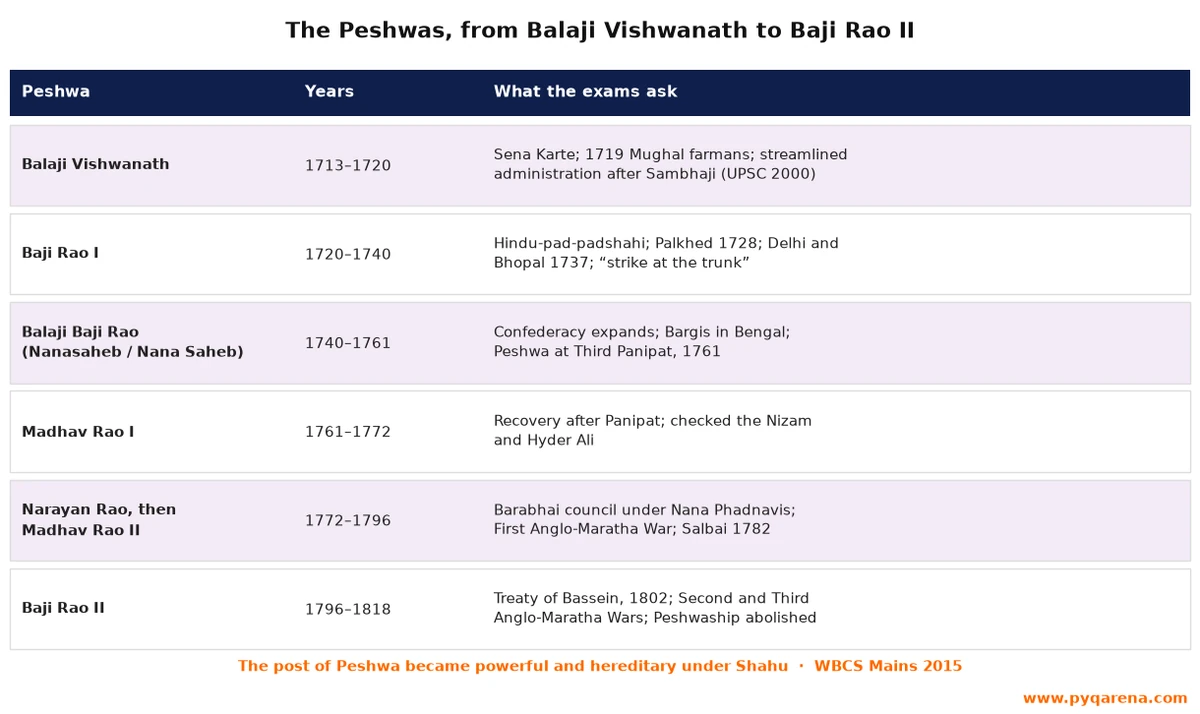
In simple words: Balaji Vishwanath (Peshwa 1713–1720) received the title Sena Karte, obtained the 1719 Mughal farmans, and streamlined Maratha administration after the years of war. His son Baji Rao I (1720–1740) took the fight north, defeated the Nizam at Palkhed, reached Delhi in 1737, checked the Nizam again at Bhopal, and put forward the ideal of Hindu-pad-padshahi.
8.1 Balaji Vishwanath and the farmans of 1719
WBCS Mains 2015 keys the title Sena Karte to Balaji Biswanath (Balaji Vishwanath). He was Shahu’s Peshwa and the organiser who turned a war-state into a revenue-state. In 1719, in the years of the Sayyid brothers at Delhi, he secured farmans from the Mughal emperor Farrukhsiyar. The grants recognised Shahu’s swaraj in the core Deccan and authorised the collection of chauth and sardeshmukhi from the six Deccan subas. That paper recognition is why later Peshwas could claim a legal share of Mughal provincial revenue rather than only the proceeds of a raid.
UPSC Prelims 2000 asks who “streamlined the Maratha administration after Sambhaji” and keys Balaji Viswanath. The options also include Raja Ram, Ganga Bai and Nanaji Deshmukh. Rajaram and Tarabai had carried the war; the administrative settlement the paper is pointing to is Balaji’s work under Shahu, after the 1707 return and the 1719 farmans. Practise the question on UPSC Prelims Medieval History: Administration, Culture and Marathas PYQs.
8.2 Baji Rao I, 1720–1740
Baji Rao I succeeded his father in 1720. He is the Peshwa the exams name again and again.
- He put forward the ideal of founding a Hindu Empire, or Hindu-pad-padshahi / Hindu-pada-Padshahi / Hindu Padshahi. The same fact is asked in WBCS Prelims Medieval Indian History 2014, WBCS Prelims Modern Indian History 2007 and 2000, and WBPSC IDO History 1996, each time keyed to Baji Rao I.
- He said, “Let us strike at the trunk of the withering tree and the branches will fall by themselves” (WBCS Prelims Modern Indian History, 2002). The withering tree is the Mughal empire; the branches are the provincial powers that would drop if the centre were struck. The line is the motto of his northward policy.
Two campaigns fix the military record. At Palkhed (1728) Baji Rao encircled Nizam-ul-Mulk in the Godavari country and forced a settlement that left Maratha claims in the Deccan standing. In 1737 a Maratha army reached Delhi, and in the same year, at Bhopal, Baji Rao checked the Nizam again; the peace that followed (Durai Sarai) conceded Maratha rights in Malwa, between the Narmada and the Chambal. Gujarat and parts of Bundelkhand also came under Maratha pressure in these years. Baji Rao died in 1740.
The “trunk” policy explains both the later reach of the confederacy and the collision of 1761. Once Maratha horse had gone as far as Delhi and the Punjab, they were no longer only a Deccan power.
9. Balaji Baji Rao and the Maratha Confederacy
In simple words: Balaji Baji Rao, also called Nanasaheb and, in WBCS Mains 2017, Nana Saheb, was Peshwa from 1740 to 1761. Under him the state became a confederacy: the Peshwa at Pune, the Scindias at Gwalior, the Holkars at Indore, the Gaekwads at Baroda, and the Bhonsles at Nagpur. He was still Peshwa when the army was broken at Panipat.
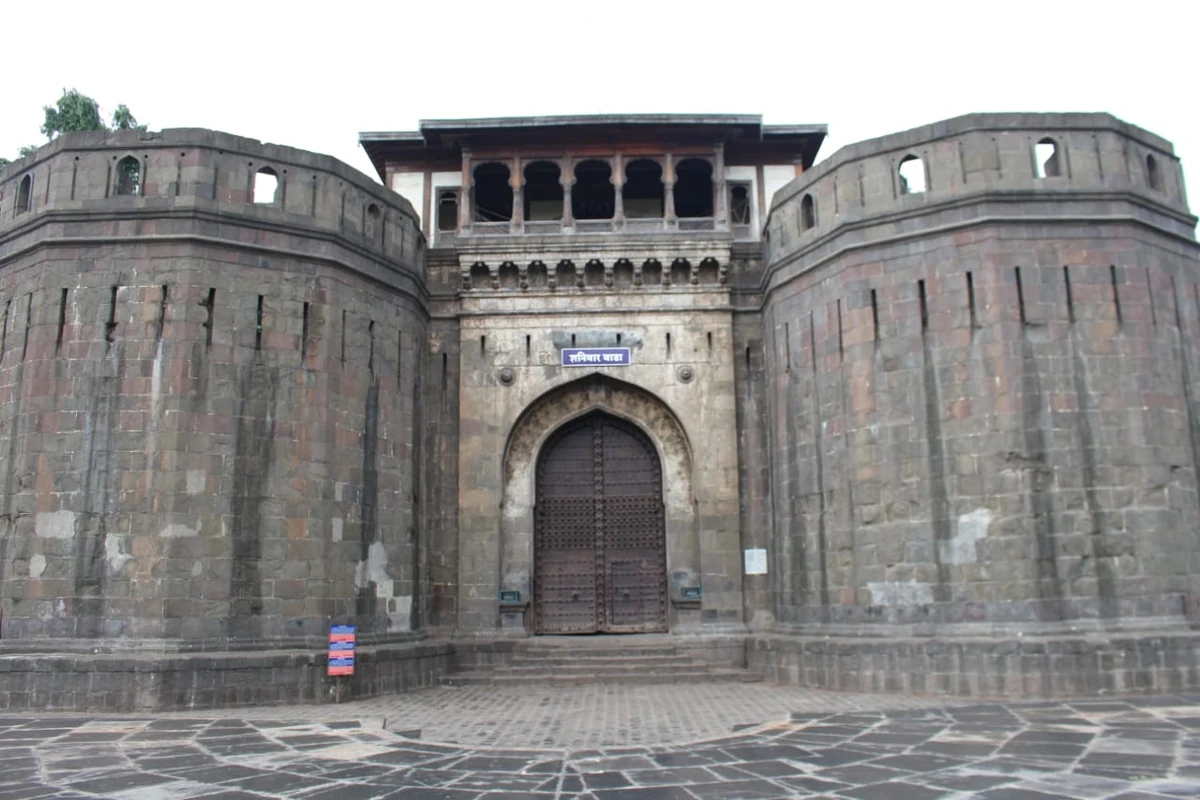
Image Source: Wikimedia
9.1 Nanasaheb, the Peshwa of 1761
Balaji Baji Rao inherited a rising power and a set of nearly independent chiefs. WBCS Mains 2017 keys the man “popularly known as Nana Saheb” to Balaji Baji Rao. This is the Peshwa Nanasaheb of Pune, not the later Nana Sahib of Bithur in 1857, who was a different person in a different century. The Third Battle of Panipat was fought in his term. WBPSC IDO History 1996 and WBP SI Prelims History 2019 both key the Peshwa of 1761 as Balaji Baji Rao / Balaji Bajirao. He died in 1761, shortly after the news of the battle reached Pune.
9.2 The four houses and their seats
UPSC Prelims 1995, on a map of western and central India, keys four places in this order: 1 Gwalior — Scindias, 2 Indore — Holkars, 3 Baroda — Gaekwads, 4 Nagpur — Bhonsles. That four-line match is the confederacy in one question. Practise it on UPSC Prelims Modern History: European Expansion PYQs.
- The Peshwa at Pune was the formal head, under the Chhatrapati at Satara.
- The Scindias (Shindes) made Gwalior their seat and became the great Maratha power on the Chambal and in the north, later under Mahadji Scindia.
- The Holkars made Indore their seat; Malhar Rao Holkar was already a leading general in Baji Rao’s and Nanasaheb’s campaigns.
- The Gaekwads made Baroda (Vadodara) their seat in Gujarat.
- The Bhonsles of Nagpur (the house of Raghuji Bhonsle) looked east, towards Berar, Orissa and Bengal.
Each house collected chauth in its own sphere, kept its own army, and only loosely obeyed Pune. That looseness was a source of reach, and a source of the failure to concentrate at Panipat.
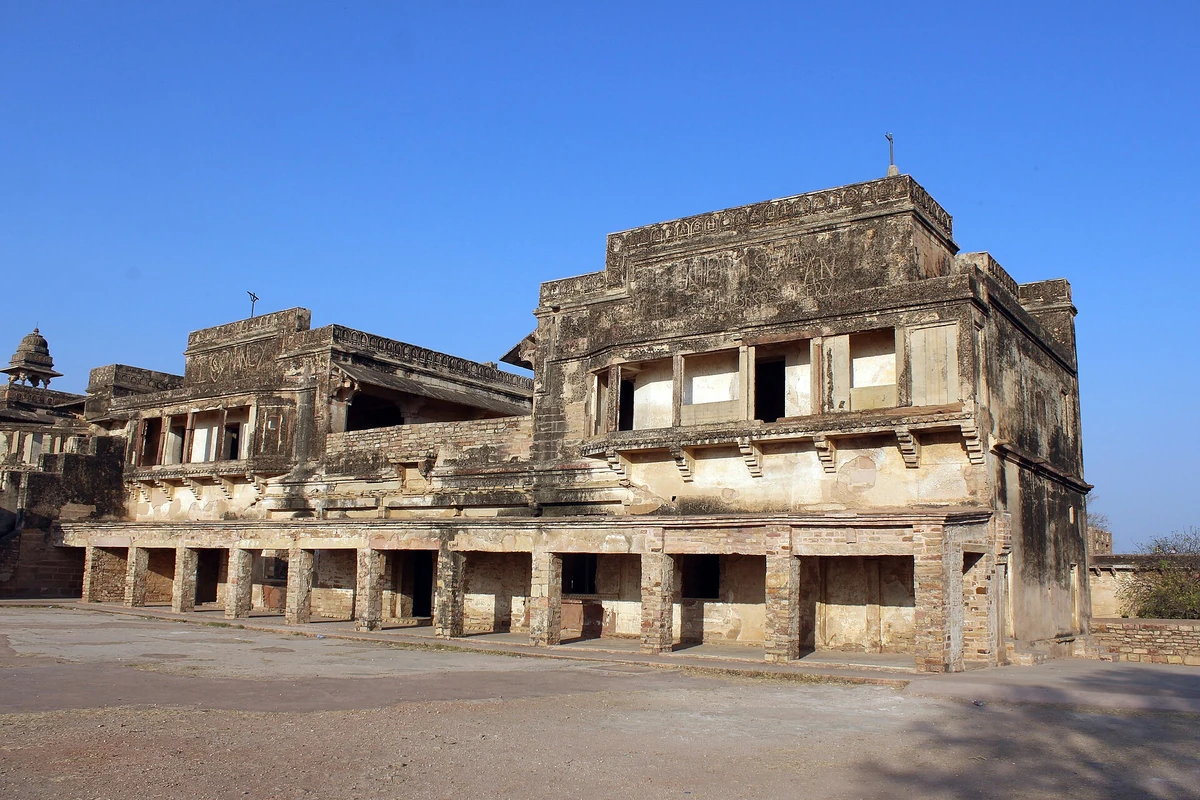
Image Source: Wikimedia
The confederacy, not a single centralised kingdom, is the political form of the Maratha mid-eighteenth century. Chapter 11 will place it beside the other regional states of the same decades; this chapter keeps the focus on the Maratha houses themselves.
10. The Bargi Raids in Bengal
In simple words: In the 1740s the Bhonsles of Nagpur sent armies into Bengal and Orissa. The raiders were called Bargis. Bhaskar Pandit (Bhaskar Ram Kolhatkar) led the first great incursion. Alivardi Khan, Nawab of Bengal, fought them for years. In Calcutta the English dug the Maratha Ditch as a defence. The story belongs equally to this chapter and to Medieval Bengal.
10.1 Bhaskar Pandit, Alivardi and the Ditch
After Murshid Quli Khan and Shujauddin, the nawabi of Bengal passed to Alivardi Khan (from 1740). Alivardi is also asked in Modern papers as the grandfather of Siraj-ud-Daulah (WBCS Mains Advent of Europeans, 2022). In his reign Raghuji Bhonsle of Nagpur claimed chauth in the east. Bhaskar Pandit crossed into Orissa and Bengal from 1741, and Bargi horse rode as far as the hinterland of Calcutta. The raids were repeated through the 1740s. Alivardi fought, negotiated, and at one stage had Bhaskar Pandit killed at a meeting; the incursions still did not end at once.
The English in Calcutta, frightened by the approach of Maratha horse, excavated a defensive canal, the Maratha Ditch, in 1742. The ditch is the one concrete memorial of the Bargis in the city’s map. In the settlement that finally closed the war, Maratha claims over Orissa were recognised and a payment in lieu of Bengal chauth was arranged, so the Bhonsle sphere reached the Bay of Bengal. The fuller nawabi background — Murshid Quli, the capital at Murshidabad, and the later road to Plassey — is in Medieval Bengal and in the Advent of Europeans notes. What this chapter must fix is the triangle Raghuji / Bhaskar Pandit — Alivardi — Maratha Ditch.
11. The Third Battle of Panipat, 1761
In simple words: On 14 January 1761 Ahmad Shah Abdali (Durrani) defeated the Marathas at Panipat. The Peshwa was Balaji Baji Rao. The Mughal emperor was Shah Alam II. The immediate reason for Abdali’s invasion was to avenge the expulsion, by the Marathas, of his viceroy Timur Shah from Lahore. This is the third of the three Panipat battles, after 1526 and 1556.
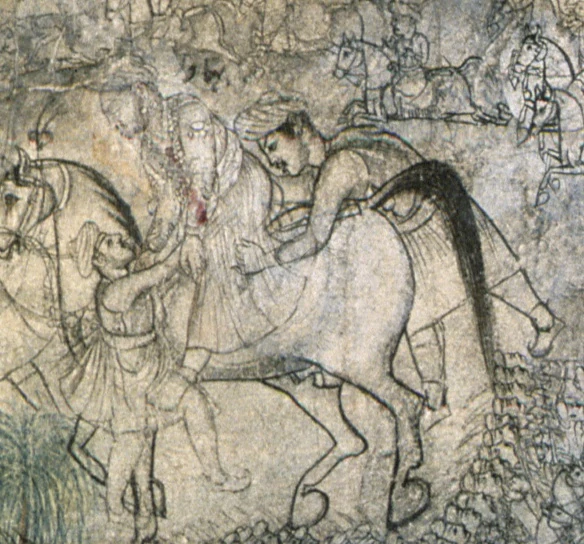
Image Source: Wikimedia
11.1 Causes
Maratha power had already reached the north. In the 1750s Maratha armies, in the name of the Peshwa and in alliance with local players, expelled Abdali’s viceroy Timur Shah from Lahore and touched the Punjab. UPSC Prelims 2010 keys the immediate reason for Abdali’s invasion and the Third Battle of Panipat to that expulsion, not to a quarrel over Adina Beg or over the Chahar Mahal as the official immediate cause. Practise the wording on UPSC Prelims Modern History: European Expansion PYQs.
Deeper causes sit behind that spark. Baji Rao’s “trunk” policy had made Delhi a Maratha question. The confederacy was extended, but its chiefs were not of one mind. Abdali could draw on Afghan horse and on Indian allies, including the Rohillas under Najib-ud-Daulah. The Mughal court of Shah Alam II was too weak to referee the north. WBPSC IDO History 2001 keys the Mughal emperor at the time of Abdali’s 1761 invasion as Shah Alam II.
11.2 The battle and the result
The Maratha army in the north was commanded by Sadashiv Rao Bhau, cousin of the Peshwa, with the Peshwa’s son Vishwasrao in the camp. After a long close at Panipat, the battle of 14 January 1761 destroyed that army. Vishwasrao and Sadashiv Rao Bhau were killed. Survivors scattered; some chiefs left the field. WBCS Mains 2023 keys the year of the Third Battle of Panipat as 1761. WBCS Mains 2017 keys the result as the defeat of the Marathas. WBCS Prelims 2012 keys the importance of 1761 to the same defeat. WBCS Prelims 2006 keys the two sides as Marathas and Afghans.
UPSC Prelims 2004 includes a statement, “In the Third Battle of Panipat, Ahmed Shah Abdali defeated Ibrahim Lodi,” and treats that statement as false. Ibrahim Lodi fell in the First Battle of Panipat, 1526, to Babur. The three Panipats must be kept in separate years: 1526 Babur and Ibrahim Lodi, 1556 Akbar (Bairam Khan) and Hemu, 1761 Abdali and the Marathas. The first two are taught in Mughal Empire.
The result of 1761 was a heavy Maratha loss of men and of prestige in the north, a short breathing space for Abdali, and no stable Afghan empire in India. The Peshwa Balaji Baji Rao died the same year. The confederacy was not extinguished. Recovery began under Madhav Rao I. For a generation, though, Maratha primacy at Delhi was broken, and the English, already masters of Bengal after Plassey (1757) and Buxar (1764), faced a divided Indian field. That is why 1761 is also a turning date in Modern History papers. Practise the year, the Peshwa, the emperor and the result on WBCS Mains Mughal Empire PYQs, WBCS Mains Advent of Europeans PYQs, WBCS Prelims Modern Indian History PYQs, WBPSC IDO History and WBP SI Prelims History.
12. After Panipat: Madhav Rao, Mahadji Scindia and Nana Phadnavis
In simple words: Madhav Rao I rebuilt Maratha power after 1761. Mahadji Scindia became the Maratha arbiter at Delhi. Nana Phadnavis ran the Council of Barabhais, and the exams call him the Chanakya of Maratha politics and the Indian Machiavelli. Of his death it was written, “with him departed all the wisdom in the Maratha State.”
12.1 Madhav Rao I and Mahadji Scindia
Madhav Rao I (Peshwa 1761–1772), son of Balaji Baji Rao, recovered revenue, checked the Nizam, and fought Hyder Ali of Mysore. In a short reign he undid much of the immediate damage of Panipat. His death in 1772 opened a succession crisis: Narayan Rao was murdered in 1773, and Raghunath Rao (Raghoba) claimed the Peshwaship. That claim is the seed of the First Anglo-Maratha War.
Mahadji Scindia, of the Gwalior house, became the great Maratha figure in the north. He restored Shah Alam II to Delhi, held the Mughal court under his protection, and later mediated the Treaty of Salbai (1782). The Scindia seat at Gwalior, already mapped in 1995, is his political base.
12.2 Nana Phadnavis and the Barabhais
Nana Phadnavis (Nana Fadnavis) was the Pune minister who, with a group of chiefs, formed the Council of Barabhais (also written Barabhai) to protect the infant Sawai Madhav Rao (Madhav Rao II) against Raghoba. WBCS Prelims 2016 and the early-nationalist paper of 2014 both key the organiser of that council as Nana Phadnavis. The same man is “the Chanakya of Maratha Politics” (WBCS Prelims Modern Indian History, 2007) and the “Indian Machiavelli” (the same paper, 2004). WBCS Mains 2021 keys to Nana Fadnavis the line, “with him departed all the wisdom in the Maratha State.” He died in 1800. Practise these four tags on WBCS Prelims Modern Indian History PYQs and WBCS Mains Religious Movements PYQs.
Nana’s diplomacy, with Mahadji in the north, kept the confederacy together for a quarter of a century after the crisis of 1773. When both men were gone, Baji Rao II faced the English alone.
13. The Anglo-Maratha Wars: a short look forward
In simple words: There were three Anglo-Maratha wars. The First was fought in the time of Warren Hastings and ended with the Treaty of Salbai in 1782. The Second followed the Treaty of Bassein (Basin), 1802, by which Peshwa Baji Rao II accepted the Subsidiary Alliance. The Third (1817–18) abolished the Peshwaship, placed Pratap Singh at Satara, and forced Holkar into a subsidiary alliance. Satara was annexed in 1848. The full narrative belongs to Modern History; the pairings below are the ones already asked.
13.1 The First War, Salbai, and the 1770s
The First Anglo-Maratha War took place during the tenure of Warren Hastings (WBCS Prelims Modern Indian History, 2015). It grew out of English support for Raghoba against the Barabhai government at Pune. It ended with the Treaty of Salbai, signed in 1782 (WBCS Mains Advent of Europeans, 2021). Do not date this war to 1767–69: that span is the First Anglo-Mysore War. UPSC Prelims 2004 lists “AD 1767-69 : First Anglo-Maratha War” among four pairs and keys only the correctly matched pairs, 2 and 3 (Third Mysore War 1790–92, and First Anglo-Burmese War 1824–26). The First Anglo-Maratha War is 1775–82. Practise both papers on WBCS Prelims Modern Indian History PYQs and UPSC Prelims Modern History: European Expansion PYQs.
WBCS Mains 2021 keys the Marathas as the power that initiated the alignment of peninsular powers against the Company in the 1770s. The confederacy, not Mysore or Hyderabad, started that combination.
13.2 Bassein, 1802, and the later wars
The Treaty of Bassein (also written Basin) was signed in 1802 between Peshwa Baji Rao II and the English (WBCS Prelims Modern Indian History, 2015 and 2005; WBCS Mains Advent of Europeans, 2020 and 2023). By it the Peshwa accepted the Subsidiary Alliance. The signatories of the Treaty of Basin (1802) were the English East India Company and the Marathas (WBCS Mains 2023). Do not give this role to the Treaty of Purandhar, the Treaty of Salbai, or the Treaty of Surji Arjangaon — those are the trap options in the 2020 paper. Surji Arjangaon is a Scindia–English treaty of the Second Anglo-Maratha War; Salbai closes the First; Purandhar 1776 is an earlier English–Maratha instrument, and Purandar 1665 is Shivaji and Jai Singh.
The first Indian ruler to accept the Subsidiary Alliance was the Nizam of Hyderabad, not the Peshwa (WBCS Mains 2023 and 2018; WBCS Prelims 2024). The Peshwa accepted it later, by Bassein. Keep the two facts in that order.
The Second Anglo-Maratha War followed Bassein as other houses resisted the Peshwa’s treaty. The Third Anglo-Maratha War (1817–18) ended the Peshwaship. After that defeat, WBCS Mains 2019 treats as true that the Peshwaship was abolished, that Holkar was forced into a subsidiary alliance, and that Satara was given to Pratap Singh; it treats as not one of those arrangements the statement that “the Gaekwar entered into a subsidiary alliance.” The Gaekwad of Baroda had already been tied to the Company before that settlement.
13.3 Satara, 1848, and the last pairings
Satara, the family seat of the house of Shivaji, was annexed by the British in 1848 (WBCS Mains Advent of Europeans, 2021), under Dalhousie’s Doctrine of Lapse. UPSC Prelims 2004 keys the chronological order of annexation of Satara, Sambalpur, Jhansi as Satara — Sambalpur — Jhansi (1848, 1849, 1853). WBCS Mains 2018, with Baghat added, keys the order Satara, Sambhalpur, Baghat, Jhansi.
Two other modern pairings touch the confederacy only at the edge. By the Treaty of Seringapatam (1792), which closed the Third Anglo-Mysore War, the Company, Hyderabad and the Marathas gained territory; the Bhonsle of Berar did not (WBCS Mains Advent of Europeans, 2021). In 1896 Bal Gangadhar Tilak held the first Shivaji Festival, a modern commemoration of the founder, asked on WBCS Prelims Early Nationalist and Pre-Gandhian Era PYQs (2023). The wars, the lapse annexations and the festival are developed in the Modern History notes; this chapter only hands you the Maratha ends of those questions.
14. Do Not Confuse
In simple words: The Maratha paper is a paper of near-misses: three Panipats, two Purandars, two men called Nana Saheb, a Peshwa who is not the first to take the Subsidiary Alliance, and a year of Shivaji’s death that is not 1686. The list below keeps those traps apart.
- Three Battles of Panipat. 1526: Babur and Ibrahim Lodi. 1556: Akbar (Bairam Khan) and Hemu. 1761: Ahmad Shah Abdali and the Marathas. Abdali did not defeat Ibrahim Lodi. The Peshwa in 1761 was Balaji Baji Rao; the emperor was Shah Alam II.
- Shivaji died in 1680, not 1686. UPSC Prelims 1998 pairs 1686 with the death of Shivaji. Bijapur fell in 1686. Shivaji had already died in 1680. Sambhaji, not Shivaji, faced Mukarrab Khan.
- Two treaties of Purandar / Purandhar. 1665: Sivaji and Jay Singh (Jai Singh of Amber). 1776: an English–Maratha treaty of the First Anglo-Maratha War. The Peshwa accepted the Subsidiary Alliance by the Treaty of Bassein (1802), not by Purandhar, Salbai or Surji Arjangaon.
- Two (in fact three) “Nana” names. Nana Saheb in WBCS Mains 2017 is Balaji Baji Rao, the Peshwa Nanasaheb of 1740–1761. Nana Phadnavis (Nana Fadnavis) is the later minister of the Barabhais, the “Chanakya” and “Indian Machiavelli.” The Nana Sahib of 1857, adopted son of Baji Rao II at Bithur, is a third man and a Modern History question.
- Hindu-pad-padshahi is Baji Rao I, not Shivaji and not Nanasaheb. Shivaji’s title is Haindava-Dharmoddharak. Baji Rao I put forward the ideal of a Hindu Empire and spoke of striking the trunk of the withering tree. The hereditary Peshwa belongs to Shahu’s reign; the title Sena Karte belongs to Balaji Vishwanath.
- Sumant, not Peshwa, handled foreign affairs in the Ashtapradhan. The Peshwa was Mukhya Pradhan. Pandit Rao was in charge of religious grants, Sachiv of correspondence, Nyayadhish of justice.
- Mokasa is Maratha, as jagir is Mughal, iqta is Delhi Sultanate, and amaram is Vijayanagara. Do not move Mokasa to the Mughal column.
- The First Anglo-Maratha War is 1775–82, under Warren Hastings, ending at Salbai 1782. It is not 1767–69 (First Anglo-Mysore). The first Indian ruler to accept the Subsidiary Alliance was the Nizam of Hyderabad, not the Peshwa. Baji Rao II accepted it later, at Bassein in 1802.
- Satara 1848 is the annexation of the family seat of Shivaji’s house under the Doctrine of Lapse, after the Peshwaship had already been abolished in 1818 and Satara given to Pratap Singh. The Gaekwad’s subsidiary alliance is not listed among the new arrangements of the Third Anglo-Maratha War.
- Seringapatam (1792) benefited the Company, Hyderabad and the Marathas; the Bhonsle of Berar did not. Do not drag the Bhonsles into that partition, and do not confuse it with the end of the Third Anglo-Mysore War as a whole, which is a Modern History date in its own right.
- Chilianwala is not a Maratha battle. In UPSC Prelims 1995 a wrong option pairs Chilianwala with “Dalhousie vs Marathas.” The correctly matched pair in that question is Wandiwash — French vs East India Company.
- The Marathas were the strongest native power after Mughal decline; they were not, in the wording of UPSC Prelims 2003, the first to have a clear concept of a united Indian nation. Assertion true, reason false.
15. At a Glance
In simple words: Three tables hold the chapter: the eight ministers, the line of Peshwas, and the battles and treaties from Pratapgad to Bassein. The map of the confederacy is four names on four cities.
15.1 Ashtapradhan, Peshwas and battles
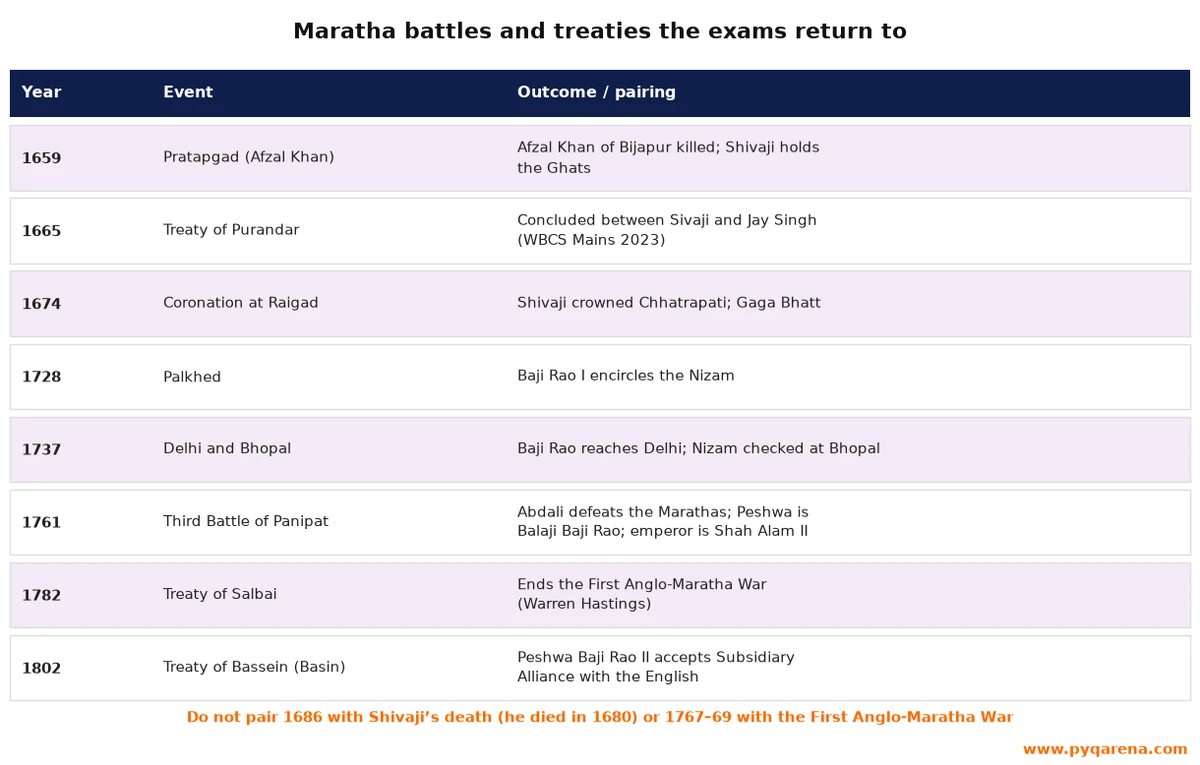
The watermarked charts above are the revision boards. For the Ashtapradhan, lock Sumant = foreign affairs. For the Peshwas, lock Balaji Vishwanath = Sena Karte and 1719, Baji Rao I = Hindu-pad-padshahi, Palkhed, Delhi and Bhopal, Balaji Baji Rao = Nanasaheb and Panipat 1761, Nana Phadnavis = Barabhais, Baji Rao II = Bassein 1802. For the wars, lock Purandar 1665 = Sivaji and Jay Singh, Panipat 1761 = Abdali and the Marathas, Salbai 1782 = end of the First Anglo-Maratha War, Bassein 1802 = Subsidiary Alliance.
15.2 The confederacy in four lines
- Gwalior — Scindias
- Indore — Holkars
- Baroda — Gaekwads
- Nagpur — Bhonsles
The Peshwa sat at Pune; the Chhatrapati sat at Satara. Kolhapur was Tarabai’s junior line.
16. Quick Revision
In simple words: These are the facts to recite before a paper. Each line is written so that the stem of a past question can be heard inside it.
- The early Maratha state grew in the Sahyadri, between the Konkan and the Desh, on a foundation of Maharashtra Bhakti (Jnaneshwar, Tukaram, Ramdas) and on the Pune jagir of Shahji Bhonsle.
- Shivaji took Torna in 1646, killed Afzal Khan at Pratapgad in 1659, expelled Shaista Khan from Pune in 1663, and raided Surat in 1664 and 1670.
- The Treaty of Purandar, 1665, was concluded between Sivaji and Jay Singh. Shivaji was confined at Agra in 1666 and escaped.
- Shivaji’s coronation was in 1674 AD at Raigad, performed by Gaga Bhatt. He took the title Haindava-Dharmoddharak. A Karnataka expedition (1677–78) took Jinji and Vellore. He died in 1680.
- Ashtapradhan is the Council of Ministers in the Maratha Administration. The member who looked after foreign affairs was the Sumant.
- Chauth is one-fourth of the revenue of a territory; sardeshmukhi is an additional tenth. Mokasa is the Maratha revenue assignment (with iqta, jagir and amaram in the other columns). The Modi script was employed in the documents of the Marathas. The gold coin was the Hon. Forts, a light cavalry army and a Konkan navy carried the state.
- Shivaji was succeeded by Shambhuji (Sambhaji). Aurangzeb sent Mukarrab Khan against Sambhaji. Rajaram held court at Jinji. Tarabai led the resistance after Rajaram’s death.
- Shahu was released in 1707 and won at Khed. Under Shahu the post of Peshwa became powerful and hereditary. Balaji Vishwanath received the title Sena Karte, obtained the 1719 Mughal farmans, and is the man UPSC Prelims 2000 credits with streamlining the Maratha administration after Sambhaji.
- Baji Rao I (1720–1740) followed Hindu-pad-padshahi, said “strike at the trunk of the withering tree,” and won at Palkhed (1728), Delhi (1737) and Bhopal (1737).
- Balaji Baji Rao (Nanasaheb; “Nana Saheb” in WBCS Mains 2017) was Peshwa 1740–1761. The confederacy seats are Gwalior—Scindias, Indore—Holkars, Baroda—Gaekwads, Nagpur—Bhonsles.
- The Bargis in Bengal were led for Nagpur by Bhaskar Pandit; Alivardi Khan was the Nawab who faced them; the English dug the Maratha Ditch at Calcutta in 1742.
- Third Battle of Panipat, 1761: Ahmad Shah Abdali defeated the Marathas. Peshwa: Balaji Baji Rao. Emperor: Shah Alam II. Immediate reason: expulsion of Timur Shah from Lahore. 1761 is important because the Marathas were defeated in that battle. The two sides were Marathas and Afghans.
- After Panipat: Madhav Rao I recovered; Mahadji Scindia held Delhi; Nana Phadnavis organised the Council of Barabhais, is the Chanakya of Maratha politics and the Indian Machiavelli, and of his death it was written, “with him departed all the wisdom in the Maratha State.”
- First Anglo-Maratha War: tenure of Warren Hastings; Treaty of Salbai, 1782. The Marathas initiated the alignment of peninsular powers against the Company in the 1770s.
- Treaty of Bassein / Basin, 1802: Peshwa Baji Rao II and the English; the Peshwa accepted the Subsidiary Alliance. The first Indian ruler to join that alliance was the Nizam of Hyderabad.
- After the Third Anglo-Maratha War: Peshwaship abolished, Holkar forced into a subsidiary alliance, Satara given to Pratap Singh. Satara, family seat of the house of Shivaji, was annexed in 1848. Doctrine of Lapse order: Satara, Sambalpur (Sambhalpur), Baghat, Jhansi.
- The Bhonsle of Berar did not benefit territorially from the Treaty of Seringapatam. Tilak’s first Shivaji Festival was in 1896.
Related notes: Mughal Empire | Mughal Administration, Economy and Society | Medieval Bengal | Bahmani Empire and Deccan Sultanates | Bhakti and Sufi Movements | Vijayanagara Empire | Delhi Sultanate
Practice: UPSC Prelims Medieval History: Administration, Culture and Marathas PYQs | UPSC Prelims Medieval History: Mughal Empire PYQs | UPSC Prelims Modern History: European Expansion PYQs | WBCS Prelims Medieval Indian History PYQs | WBCS Prelims Modern Indian History PYQs | WBCS Mains Mughal Empire PYQs | WBCS Mains Religious Movements PYQs | WBCS Mains Advent of Europeans PYQs | WBPSC IDO History Previous Year Questions | WBP SI Prelims History Previous Year Questions | WBCS Prelims Early Nationalist and Pre-Gandhian Era PYQs
Leave a Comment